

By Tlalane Dhlamini
The Municipal Council of Mbabane is not relenting in its pursuit of being a smart city.
The Municipality hosted its second edition of the Smart City Living Masterclass under the theme “Transforming Mbabane into a Responsive Smart City to Drive Economic Growth”. The event held at the Hilton Garden Inn, convened key leaders from the public and private sectors to discuss urban innovation and sustainable growth.
A Comprehensive Roadmap for Digital Transformation
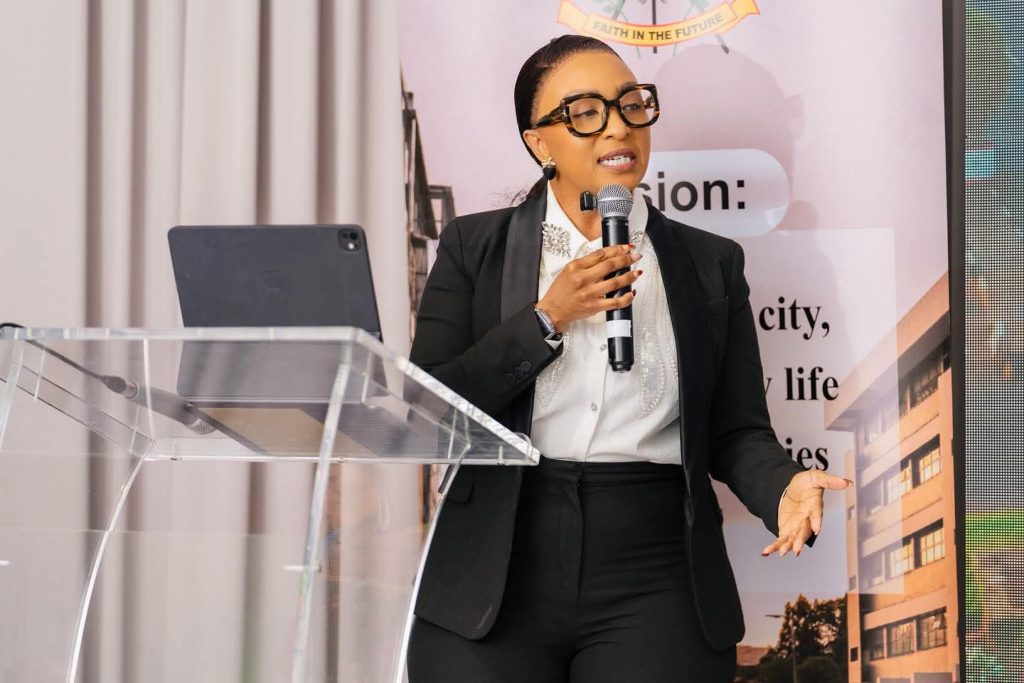
The Municipality’s Chief Executive Officer (CEO) Gciniwe Fakudze unveiled a detailed roadmap focused on investment, partnership, and innovation, designed to leverage the capital’s dynamic economic landscape.
The roadmap includes the capital’s population, which sits at approximately 80,275 and a high proportion of Small, Medium, and Micro Enterprises (SMMEs at 41%) as well as the informal sector (34%).
The CEO highlighted that their core strategy is built on six key pillars of smart growth, centered around three major local opportunities: digital transformation, green infrastructure, and managing urban pressure.
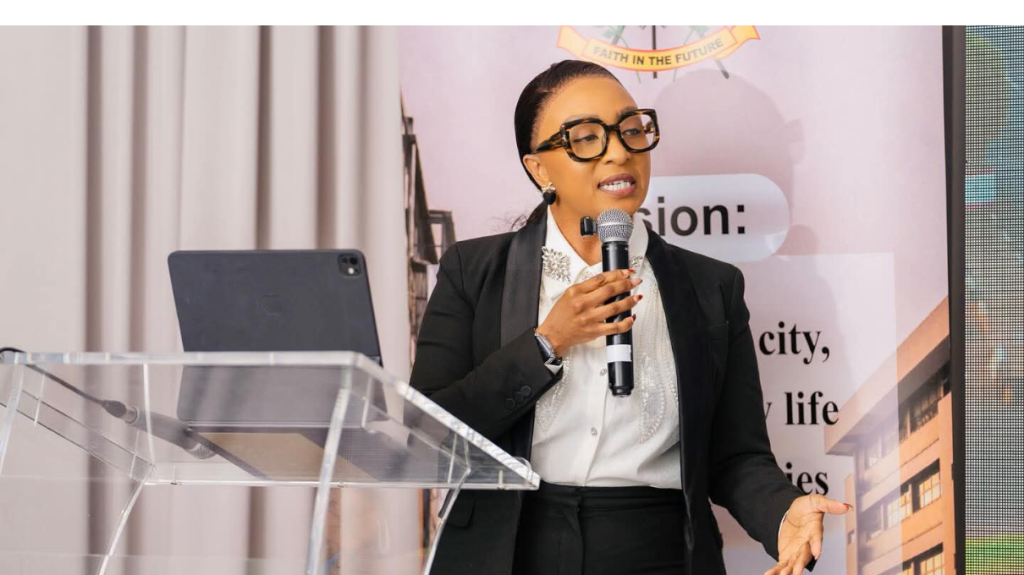
1. Digital Transformation & Smart Governance: This foundation prioritizes integrating Information and Communication Technology (ICT) into urban management. Initiatives include developing e-services, open data platforms, and leveraging the national upgrade to a 5G Government Network for effective service delivery and real-time data transmission.
2. Infrastructure Development: Modernising physical assets through new roads, promoting renewable energy, implementing smart waste management, and improving storm water and lighting systems.
3. Economic Diversification: Focusing on strengthening tourism, investment promotion, developing innovation industries, and championing circular economy initiatives to build a resilient, multi-faceted economy.
4. Urban Resilience and Citizen-Centric Services: Utilising real-time data for better public safety, urban planning, and traffic management, with a crucial emphasis on enhancing stakeholder engagement.
5. Investment and Partnerships: Actively seeking collaborative finance for smart infrastructure development, ensuring alignment with national economic and digital strategies.
6. Digital Inclusion and Literacy: Prioritising digital literacy and expanding access through the deployment of Wi-Fi hotspots to ensure the Smart City’s benefits are shared by all residents.
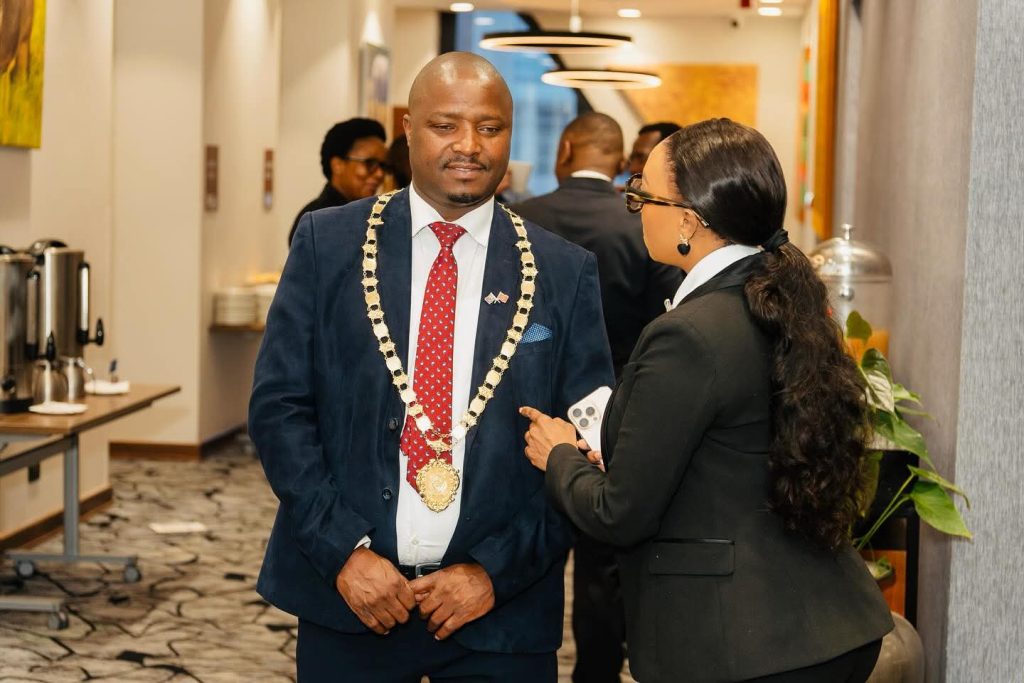
His Worship, the Mayor, Thulani Mkhonto reinforced the city’s commitment to growing the economy and empowering local entrepreneurs. Addressing attendees, he stressed that the city’s economic future depends on diversification and creating multiple engines of growth.
He emphasised that the administration is committed to supporting small businesses, calling them the “heartbeat” of the local economy. New initiatives will be introduced, such as:
* Business incubators.
* Training workshops.
* Mentorship programmes to provide entrepreneurs with the necessary tools, networks, and confidence.
Mayor Mkhonto made it clear that growth is not just about business, but also about people, calling the workforce the “greatest asset any city can have”. The city plans to invest in developing a world-class talent pipeline through strategic partnerships with local colleges to align skills development with emerging sectors like digital innovation and sustainable manufacturing. This is intended to ensure local talent is retained and prepared for the jobs of the future.
Furthermore, the Mayor recognised that quality of life matters to build a great place to live. The city will continue to invest in its parks, cultural centres, and public spaces to inspire creativity and strengthen the community.
To achieve this ambitious and collective vision, Mayor Mkhonto extended an open invitation to stakeholders to “Join our newly established Economic Development Task Force” to share insights and ideas.
Strong Institutional Support
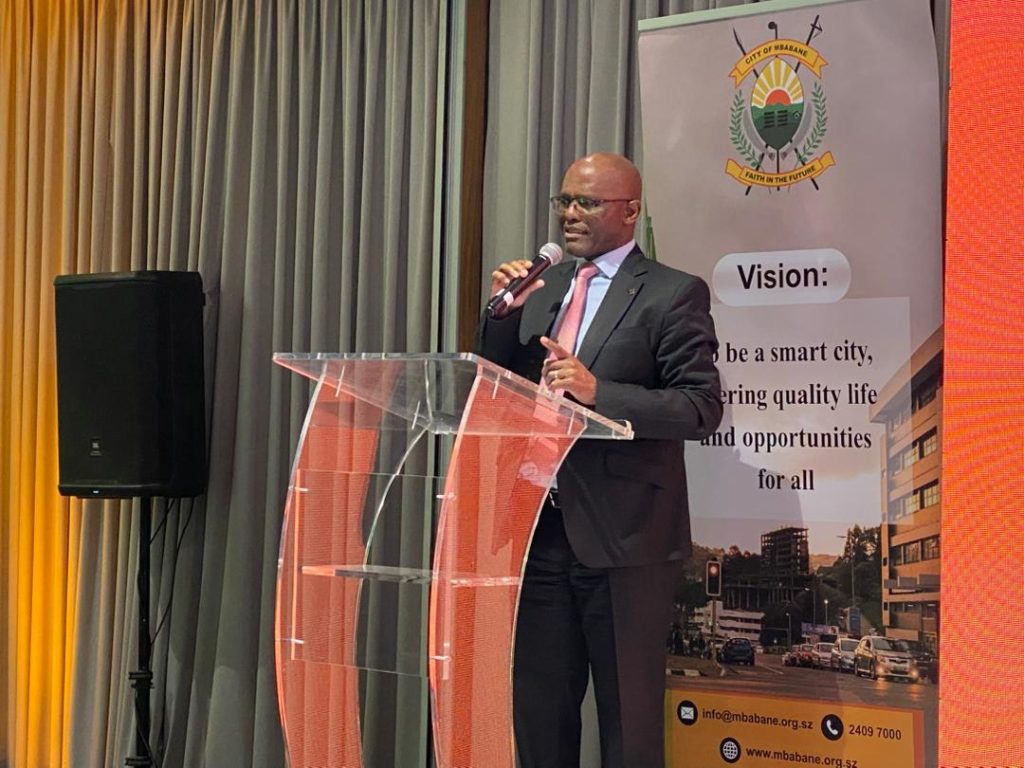
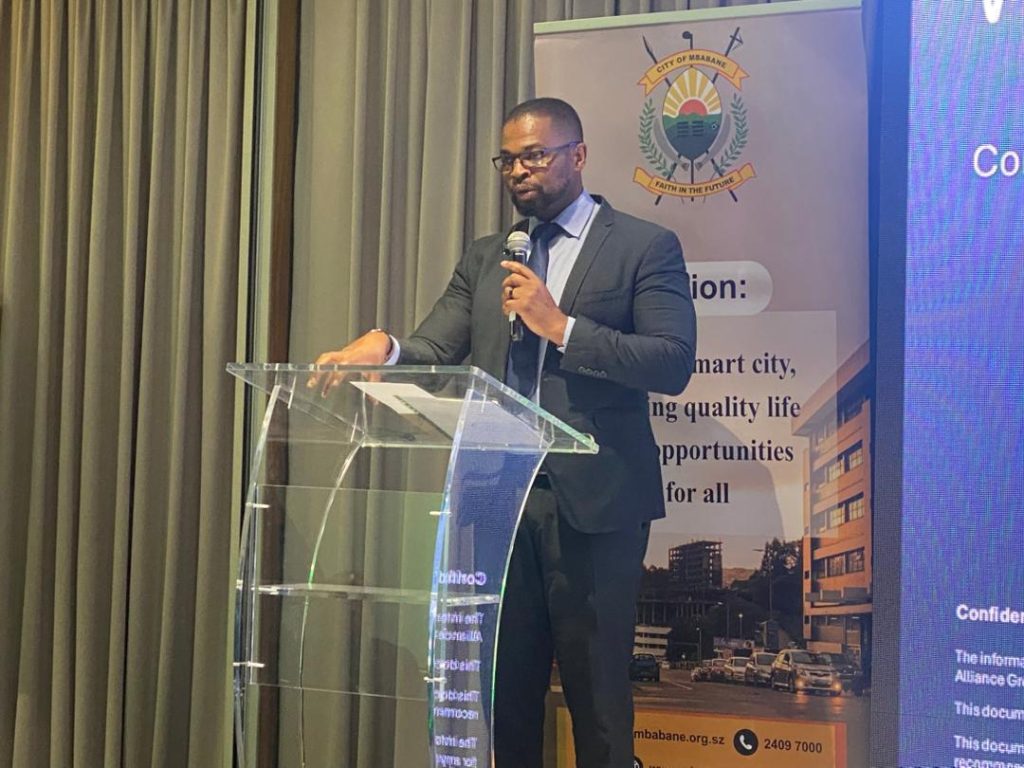
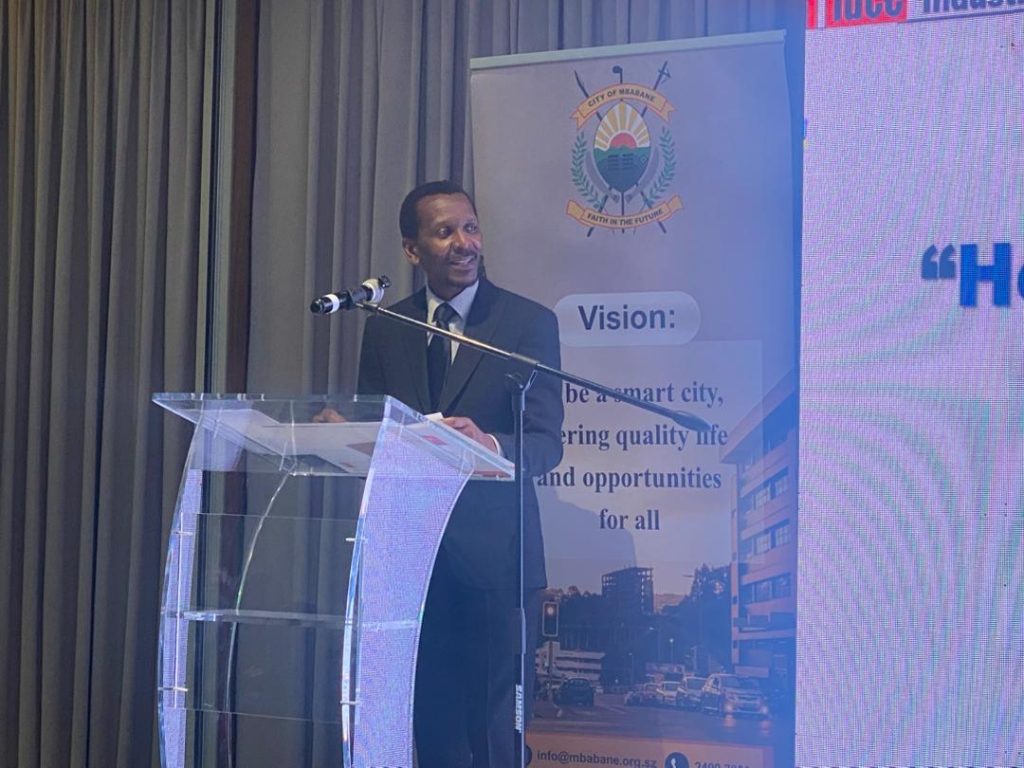
The event saw strong institutional support, highlighting the critical role of financial institutions in urban innovation. Masotja Vilakati, CEO of the Public Service Pensions Fund (PSPF), affirmed the fund’s significant investment in businesses across Mbabane to support economic growth and the city’s transformation. He stated that the PSPF’s strategic investments—which include committing 50% of its total portfolio valued at E2 billion locally—are aimed at stimulating job creation, strengthening infrastructure, and promoting innovation, all of which align with the United Nations Sustainable Development Goals (SDGs).
Vilakati specifically pointed to the fund’s support for green initiatives, renewable energy production, and digital infrastructure development as vital to creating a sustainable and smart city. He also noted that PSPF’s real estate developments have played a crucial role in generating employment and providing modern facilities to support urban growth.
Furthering this financial perspective, Mthunzi Dlamini, Business Development Manager at the Industrial Development Company of Eswatini (IDCE), presented a strategic roadmap titled “How DFI can serve as a catalyst for Urban Innovation.” The session also featured Victor Langa, General Manager – Asset Management at African Alliance, who shared insights on transforming Mbabane into a responsive smart city to drive economic growth.