

Eswatini’s creative and entrepreneurial spirit is set to take centre stage in South Africa next year, as the A Peculiar People has announced plans to host its first Made in Eswatini Festival Experience in Johannesburg, Gauteng, a giant step in expanding the reach of Eswatini-made products, art, and innovation beyond national borders.
The festival, scheduled for September 2026, will be hosted at a farm in Gauteng owned by a Swazi national. It will feature a dynamic showcase of Eswatini’s homegrown talent across sectors, including fashion, crafts, agribusiness, manufacturing, digital innovation, and music. This is the first time the movement will host its signature event outside the country, marking a significant milestone in regional visibility and trade integration for local enterprises.
According to A Peculiar People Chairperson Melusi “Zox” Dlamini, the Gauteng edition marks a defining moment in the movement’s journey to promote Eswatini-made products across the Southern African region.
“The Made in Eswatini Festival Experience is not just a cultural celebration; it is an economic mission,” he said. “We want to connect Eswatini entrepreneurs with the South African market, grow exports, and position Swazi-made goods as a mark of quality and authenticity within SADC and beyond.”
The planned festival forms part of the Made in Eswatini Movement’s 2026–2028 Strategic Cycle, themed “Fuelling the Next Generation of Job Creators.” One of its key pillars is growing market access, a goal that the Gauteng event directly advances by providing a platform for local brands to tap into a larger, more diverse consumer base.
Dlamini explained that Eswatini’s entrepreneurs, particularly those in the creative, manufacturing, and agribusiness sectors, have long faced barriers to entry in larger regional markets. The Gauteng Festival will act as a “trade and culture bridge,” enabling collaboration, distribution, and investment partnerships that could translate into long-term export opportunities.
“Our goal is to ensure that products bearing the Made in Eswatini label stand proudly on shelves in Johannesburg, Pretoria, and beyond,” Dlamini added. “We are building a movement that champions local excellence, celebrates national identity, and turns creativity into commerce.”
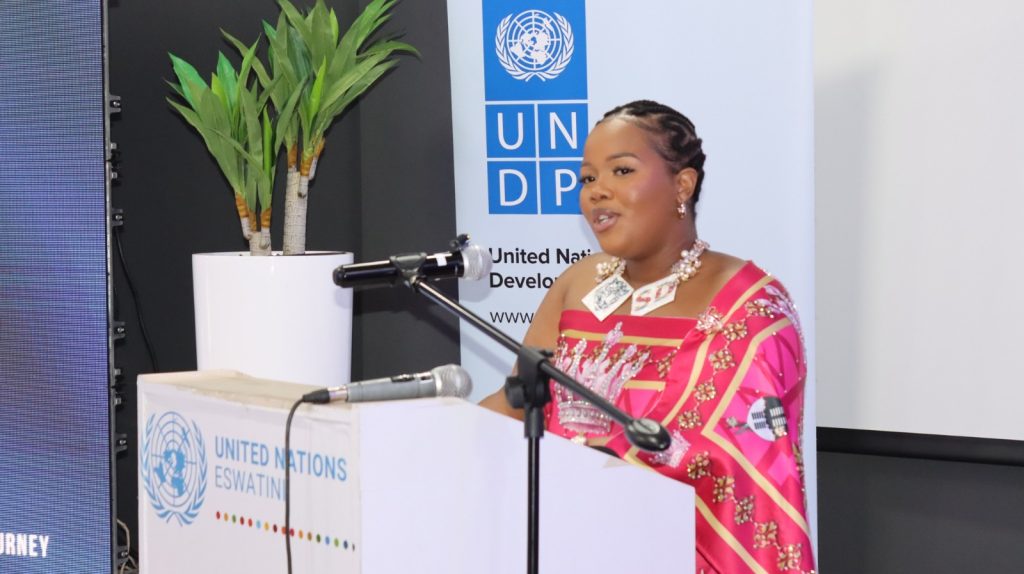
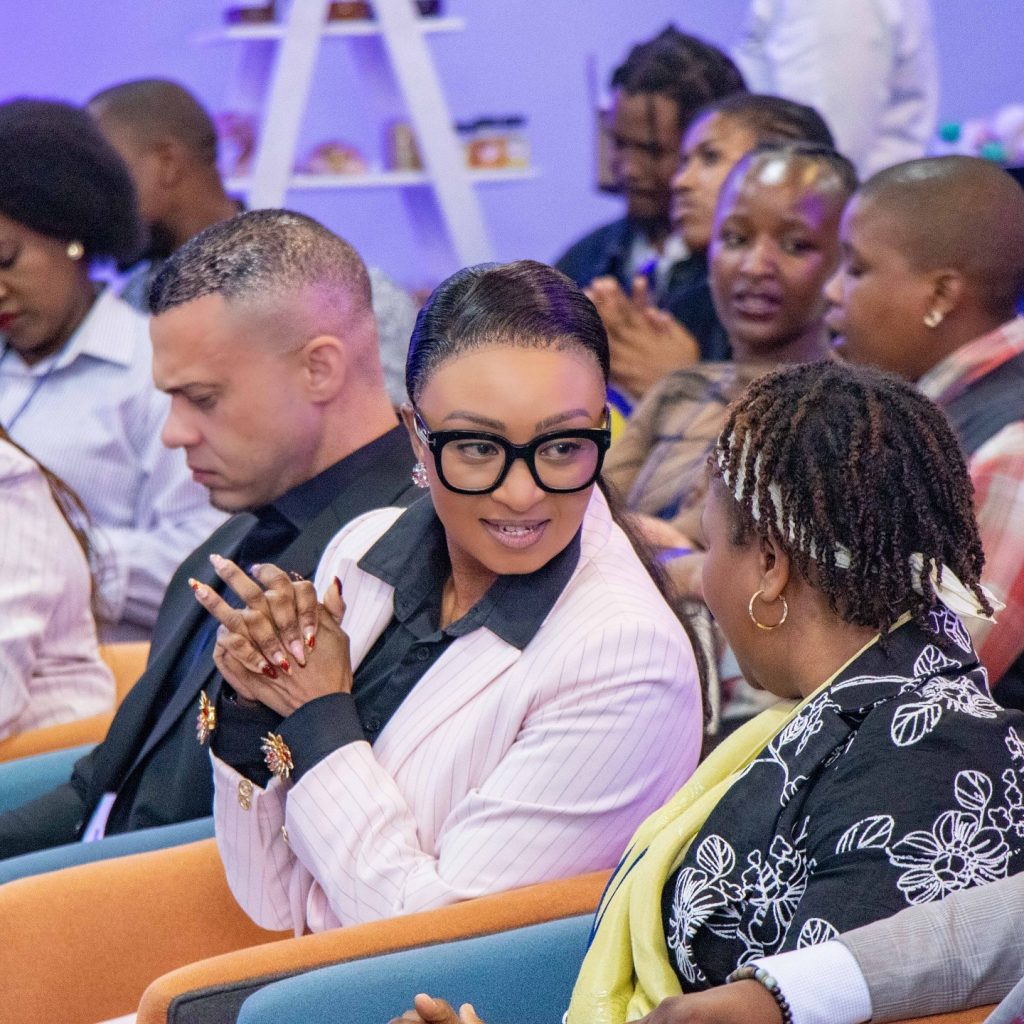
Since its inception, the Made in Eswatini Movement has sought to emulate successful global branding models like Swiss Made, turning national craftsmanship into an identity of trust and excellence. Through initiatives like the upcoming Gauteng festival, the movement is not only amplifying Eswatini’s cultural identity but also contributing to the country’s export diversification and youth employment goals under the National Development Plan 2023–2028.
Beyond the festival, the movement also plans to roll out market intelligence tools, brand certification systems, and a national loyalty programme to help enterprises understand consumer trends and sustain market competitiveness.
“We envision a future where buying Eswatini-made products becomes a lifestyle choice for citizens across Africa,” Dlamini said. “This expansion is the first of many steps in positioning Eswatini as a hub of creativity, innovation, and quality production.”