
Land degradation costs Eswatini about $100 million (roughly E1.7 billion) annually, which accounts for 2.9% of the country’s GDP, according to the Eswatini Environment Authority (EEA).
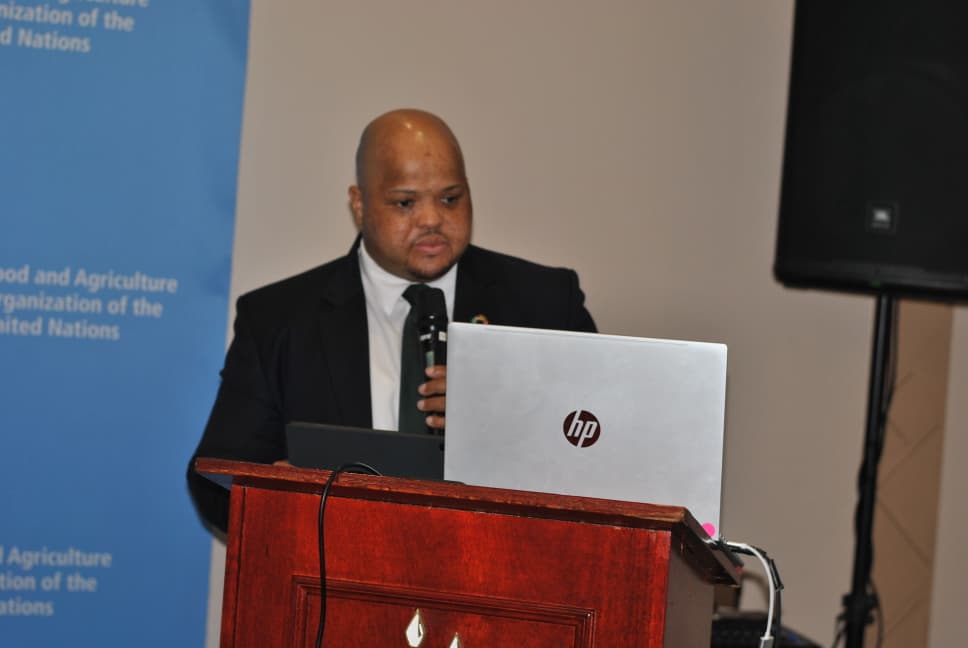
Mxolisi Maphanga, the Director of Environment Assessment & Compliance at the Eswatini Environment Authority, revealed the concerning figure during the national workshop reviewing the country’s National Drought Plan (NDP), held at the Royal Villas in Ezulwini.
He highlighted that degradation continues to affect Eswatini’s socio-economic landscape. Its yearly economic loss of US$100 million reflects decreased agricultural output, ecosystem harm, falling water security, and rising recovery costs for communities.
Maphanga described land degradation as an increasing national threat linked to worsening droughts, expanding dongas, shrinking grazing lands, and loss of biodiversity. He warned that, without decisive action, ecosystem decline could endanger food security, livelihoods, and long-term national development.

“When drought worsens, land degradation speeds up – dongas spread across the landscape, threatening grazing lands, homesteads, and livestock. Biodiversity drops as species struggle, and there is an urgent need to promote the sustainable use of natural resources,” Maphanga said. He noted that the country’s semi-arid climate, combined with rising temperatures and unpredictable rainfall, creates conditions for more frequent and severe droughts.
Assessments show that the number of very hot days exceeding 36°C has been steadily rising, a trend that could worsen soil erosion, decrease agricultural productivity, and add pressure on rural communities already struggling with limited resources.
Water stress is also a significant concern that Maphanga emphasized. “Only a small part of our total renewable water supply is used, yet demand keeps increasing,” he added, warning that Eswatini depends heavily on freshwater from outside its borders, making the country vulnerable to upstream decisions outside its control.


The workshop emphasized the importance of updating the National Drought Plan to reflect emerging environmental trends and align with current national policies. The NDP review aims to:
• Strengthen drought monitoring and early warning systems
• Assess vulnerability and risk at national and community levels
• Improve measures for drought mitigation, response, and recovery
• Develop an investment plan to support implementation
• Promote sustainable land management practices
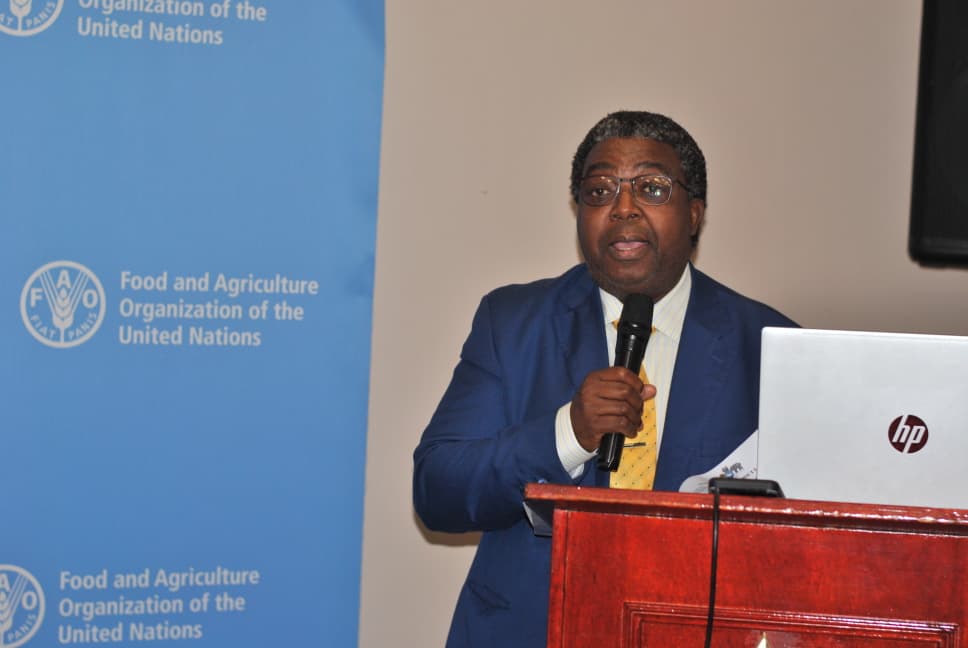
Maphanga pointed out that these actions mark a paradigm shift: “We must move away from reactive emergency responses and towards proactive vulnerability reduction and resilience.”
A key focus is developing a drought risk financing portfolio, which will guide how resources are mobilized and deployed before, during, and after drought events. The portfolio will involve multiple actors, including government agencies, state-owned enterprises, financial institutions, insurers, farmers’ organizations, and development partners.
Maphanga urged stakeholders to meet the challenge: “We owe it to the children of Eswatini to ensure that the rivers still flow, the soils remain fertile, and our biodiversity thrives.”