
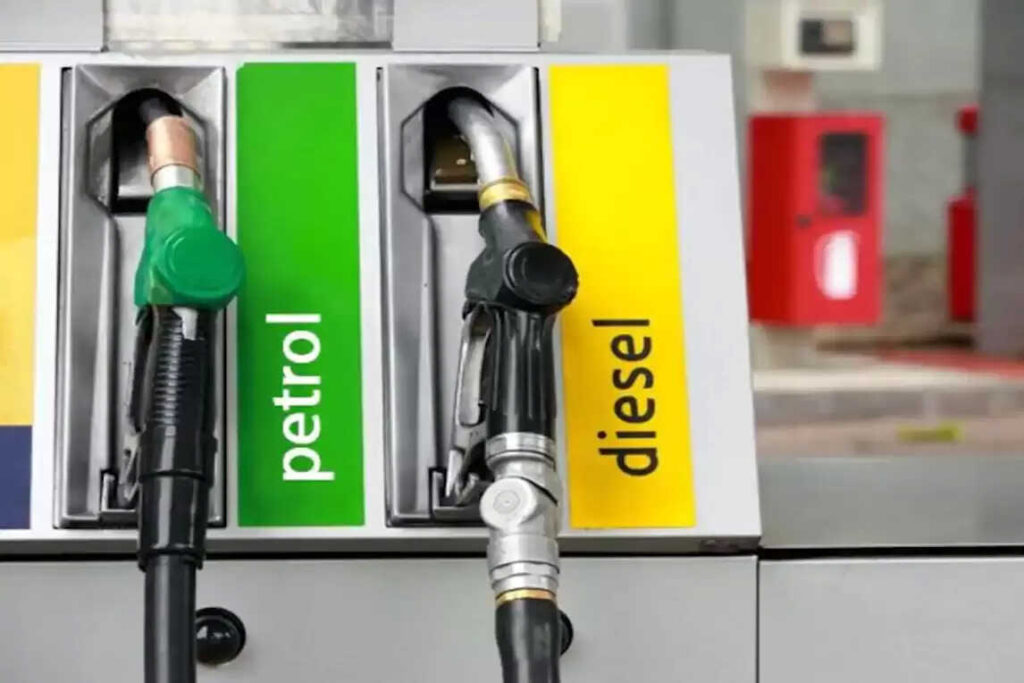
The price of Unleaded Petrol (95) in Eswatini will rise to E22.35 per litre, while Diesel (50ppm) will increase to E25.20 per litre, starting April 3, 2026.
In contrast, South African motorists are facing much steeper costs. Following a R3.06 hike, petrol in South Africa has jumped to R23.36, making Eswatini’s petrol E1.01 cheaper per litre. The gap is even wider for diesel, where South African prices have hit R26.11, leaving Eswatini’s diesel nearly E0.91 cheaper than its neighbour.
In a statement, Ministry of Natural Resources and Energy Principal Secretary, Lindiwe Mbingo noted that the local market has been under immense pressure due to geopolitical tensions in the Middle East, which pushed Brent crude oil to an average of US$104 per barrel in March.
She confirmed that the overall impact for March and April 2026, is a deficit of E332 million incurred by the oil companies ‘and Government will pay from the Strategic Oil Reserve Fund (fuel stabilization fund), to cushion the consumers’.

As the Minister of Natural Resources and Energy Prince Lonkhokhela noted in a separate statement, the situation remains under control through diligent monitoring.
“The fuel prices will not increase as detected by the markets and Government will utilize the Fuel Strategic Oil Reserve Fund to cushion the impact. A long-term solution is the Strategic Oil Reserve Facility that Government is working on; this facility will help safeguard fuel security,” said the minister.
By leveraging the Strategic Oil Reserve Fund, Eswatini has managed to keep essential energy costs lower than its largest trading partner, providing a vital, albeit temporary, shield for local consumers and businesses.
“The Ministry emphasizes that the observed increase in demand and perceived shortage is primarily in response to the anticipated fuel price increases, not necessarily fuel shortages,” said the minister.
He went on to issue a strong advisory against panic buying and the stockpiling of fuel, noting that such behaviour creates undue pressure on the oil industry’s distribution networks and can actually worsen supply concerns.
“Such actions place undue pressure on the oil industry’s distribution networks and can inadvertently exacerbate fuel supply concerns. Furthermore, the stockpiling of fuel in non-approved containers or locations poses significant safety risks, and the Ministry unequivocally discourages this practice”.
Reassuring the public that the national supply remains stable, the Minister reiterated that the situation is under control and is being closely monitored on an ongoing basis to guarantee a stable and consistent fuel supply for all citizens.
In light of this, the government has urged the public to remain calm and avoid any actions that might disrupt the orderly distribution of this essential commodity.
Key Takeaways for Consumers:
Petrol (95): E22.35
Diesel (50ppm): E25.20
Effective Date: April 3, 2026