
By Tlalane Dlamini
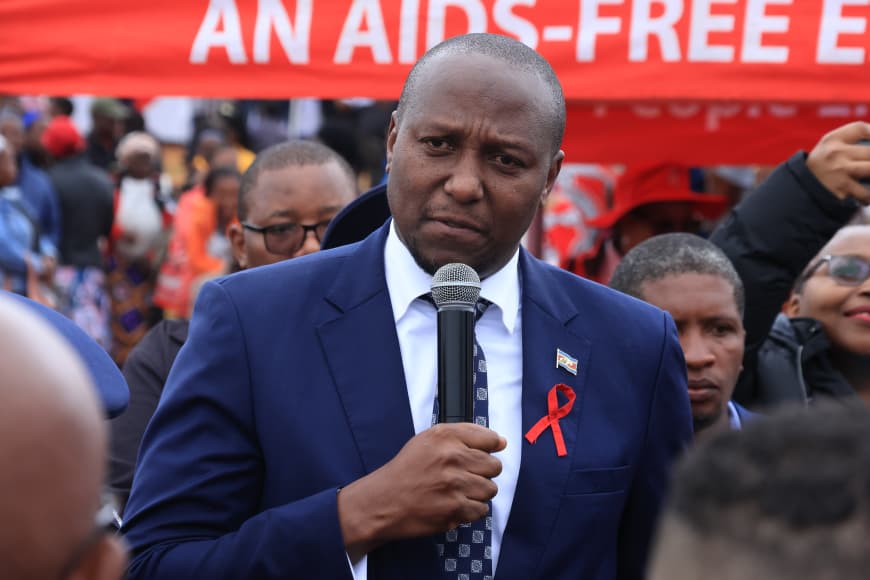
The Kingdom of Eswatini observed World AIDS Day on December 1, 2025, with a strong reaffirmation of its national commitment to ending the HIV epidemic. This year’s celebration, held at the Hhukwini Inkhundla, was marked by the historic launch of Lenacapavir, an innovative long-acting HIV prevention injection, and was complemented by firm calls for collective action from national leaders, including Prime Minister Russell Mmiso Dlamini.
Held under the theme “Bringing Change, Overcoming Challenges in the Fight Against AIDS in Eswatini,” the event brought together government leaders, civil society, international partners, and community members in a shared effort to accelerate prevention, strengthen systems, and tackle ongoing vulnerabilities.
National Progress and a Renewed Call for Vigilance
Prime Minister Dlamini praised Eswatini’s globally recognized achievements in the HIV response, including the country’s historic surpassing of the UNAIDS 95-95-95 targets. He stressed, however, that this milestone does not mark the end of the epidemic. Instead, it underscores the need for ongoing innovation and renewed focus on prevention, especially among young people who remain disproportionately affected by new infections.
Launching Lenacapavir: A Transformational Prevention Tool
A key highlight of the ceremony was the national introduction of Lenacapavir, a long-acting injectable PrEP given once every six months. This breakthrough represents a significant step forward in HIV prevention, especially for groups that struggle to stick with daily oral PrEP regimens.
The PM noted that the introduction of Lenacapavir follows the directive of His Majesty King Mswati III, signifying the highest level of national commitment to the fight against HIV. The Ministry of Health will soon release an implementation framework to ensure that Lenacapavir is equitably accessible countrywide, giving every Liswati greater choice in HIV prevention.
NERCHA Highlights Regional Realities and Persistent Vulnerabilities
In his speech, NERCHA Council Chairperson Ntsika Fakudze provided a solid, data-based overview of the ongoing challenges in the HIV response, especially in the Hhohho region where the event took place.
He revealed that adult HIV prevalence in the region stands at 21.18%, rising to 24.03% among those aged 15 years and older, with women disproportionately affected. According to 2024 figures, 28.2% of women in Hhohho live with HIV compared to 19.2% of men, reflecting deep-rooted vulnerabilities linked to gender inequality, economic pressures, and restrictive social norms.
Among young people aged 15–24 years, the prevalence is 5.96%, which is lower than that of the adult population but still a significant warning sign. “HIV continues to take root among young people who should be safely transitioning through school into adulthood,” Fakudze said, noting that factors such as social pressures, mobility, and limited economic opportunities heavily influence youth behavior in areas like Hhukwini.
Deaths, Dropouts, and Disruptions: A Call for a Holistic Response
Despite strong treatment coverage, with more than 35,000 adults and 1,251 children receiving ART in Hhohho, AIDS-related deaths remain alarmingly high. An estimated 2,861 people died from AIDS-related illnesses in Hhohho in 2024, highlighting delays in starting treatment and interruptions in care.
The Chairperson also emphasised the broader social disruptions fueling the epidemic. Hhukwini’s high mobility, tied to casual and seasonal labour, contributes to irregular adherence to treatment and reduced access to health services. School dropouts among adolescent girls and young women remain particularly concerning, with 780 recorded dropouts linked mainly to early pregnancies. Combined with an unemployment rate of 26.6%, these conditions deepen young people’s vulnerability to unsafe behaviours and transactional relationships.
“These realities remind us that HIV is not only a health issue, but also a development, gender, and social welfare issue,” Fakudze stressed.


Transforming the Response: Tackling Social Drivers and Strengthening Systems
The PM and NERCHA leadership both emphasized the importance of addressing the social and structural factors driving the epidemic. Connecting this message to the Sixteen Days of Activism Against Gender-Based Violence, leaders highlighted the strong link between HIV risk and issues such as violence, abuse, and the decline of moral values.
According to Fakudze, the national theme emphasizes both overcoming disruptions and transforming the AIDS response. Overcoming disruptions involves removing barriers like poverty, stigma, mobility issues, and gaps in youth-friendly services. He said that transformation includes integrating HIV services with education, livelihoods, mental health, social protection, and strong community leadership.
“For a community like Hhukwini, transformation means ensuring that every child stays in school, that every young person has access to accurate information and friendly services, that men and boys are fully involved in prevention, and that economic opportunities help reduce vulnerabilities,” he emphasized.
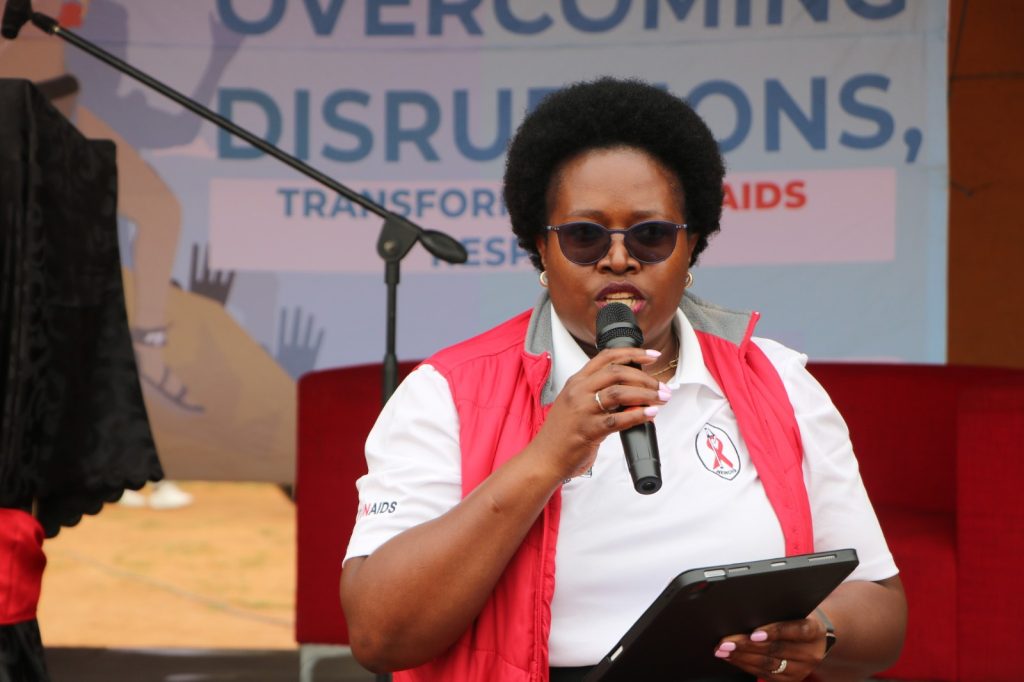
NERCHA reaffirmed its commitment to coordinating sectors, mobilizing resources, strengthening regional support, and ensuring that no community is left behind in the national response.
A National Pledge to End AIDS by 2030
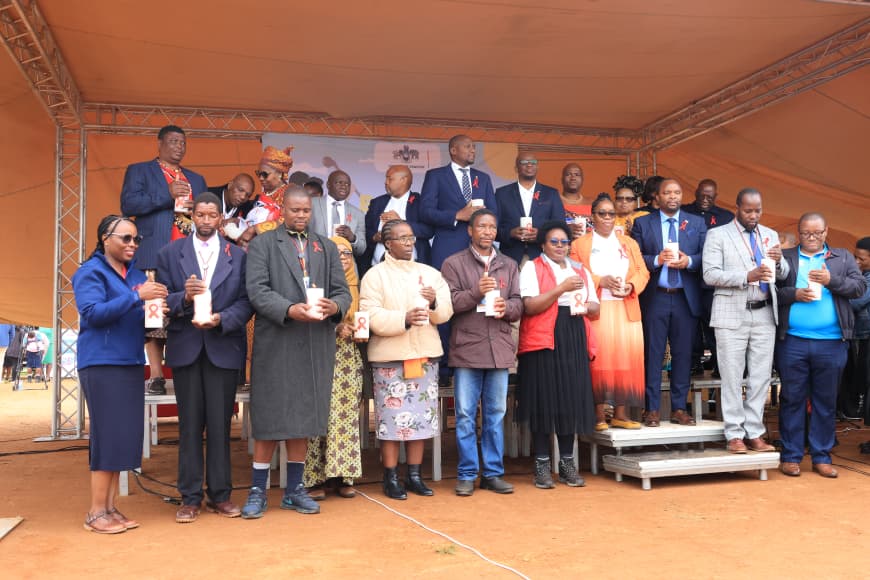
The commemoration concluded with a symbolic candle-lighting ceremony, honouring those who have lost their lives to AIDS, supporting those living with HIV, and reaffirming Eswatini’s collective resolve to achieve an AIDS-free future.
“As Eswatini, we have the leadership, capacity, and determination to overcome disruptions and transform the HIV response,” Fakudze affirmed. “Our data highlights the gaps that remain—our collective action will determine how quickly we close them.”
With the rollout of Lenacapavir, strengthened systems, and unified national commitment, Eswatini continues to move decisively toward its goal of ending AIDS as a public health threat by 2030.