

By Tlalane Dlamini
The Eswatini Revenue Service (ERS) and the Eswatini National Provident Fund (ENPF) have taken a bold step towards transforming client service delivery with the official launch of their joint service centre in Matsapha. The new centre, unveiled on 18 September 2025, brings the two institutions under one roof for the first time, creating a more convenient, efficient, and client-focused service model.
For years, EmaSwati have had to make multiple trips between the ERS and ENPF to complete related transactions—whether for tax compliance or provident fund services. The new service centre directly addresses this challenge, offering clients a streamlined, one-stop solution that saves time, money, and effort.
A Strategic Partnership
Speaking at the opening, ERS Commissioner General Brightwell Nkambule emphasised that the centre represents more than shared office space—it is a statement of intent.
“Our ERS Strategy 2024–2027 emphasises intentionality in building partnerships that allow us to better deliver on our mandate,” he said. “This joint service centre is a practical demonstration of that vision, where collaboration translates into real convenience for our clients.”
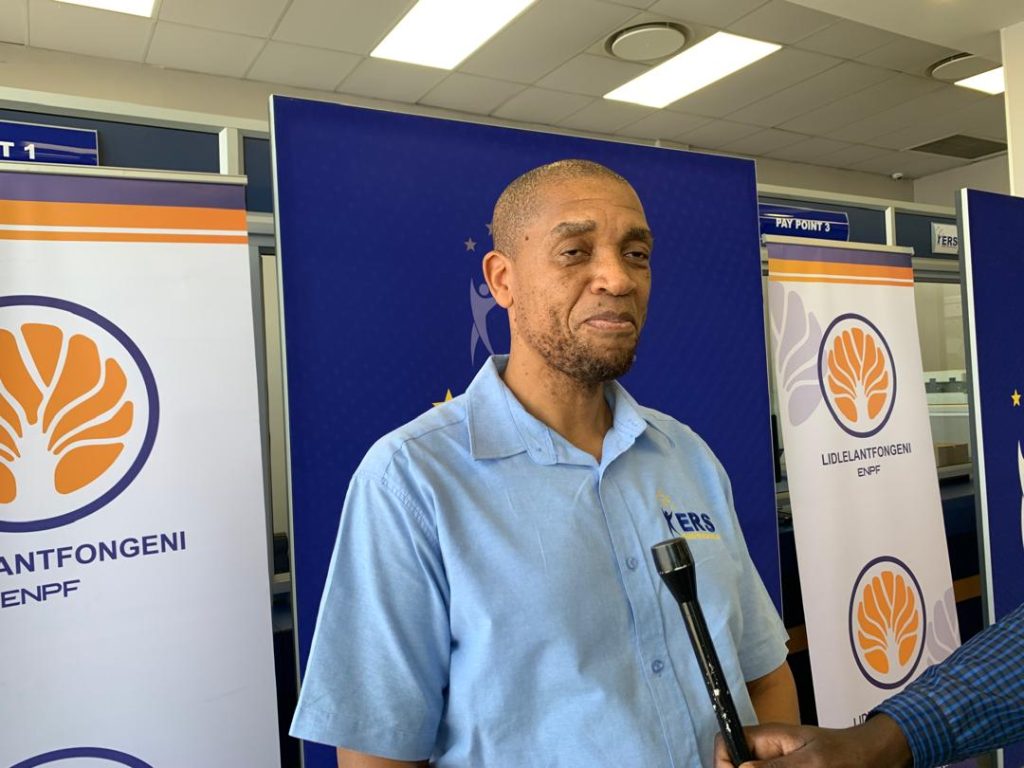
Nkambule noted that Matsapha is one of ERS’s busiest client touch points, with more than 40 walk-in clients daily and nearly 400 users accessing its self-service kiosk during the filing season. By co-locating with ENPF, both institutions are positioned to leverage high foot traffic while giving clients greater accessibility.
Learning from Each Other
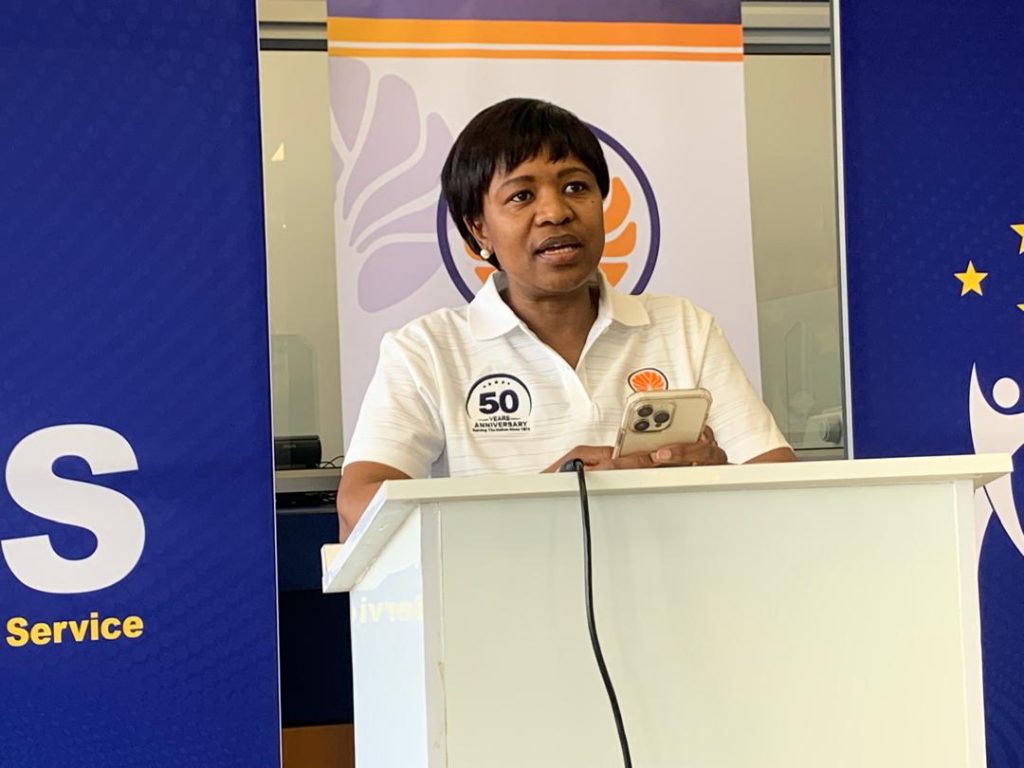
ENPF Chief Executive Officer, Futhi Tembe, echoed the Commissioner General’s sentiments, highlighting the deeper significance of the partnership. She said both institutions have undergone significant digital transformation journeys, with ENPF often using ERS as a benchmark for streamlining processes.
“This collaboration extends beyond sharing office space,” Tembe explained. “It is about exchanging knowledge, streamlining processes, and working together towards the socio-economic prosperity of our nation. Now that we share the same space, we hope to continue learning from each other, leveraging our combined expertise to enhance service delivery.”
Tembe underscored that at the heart of ENPF’s mission lies the importance of relationships—with internal and external stakeholders alike. The partnership with ERS, she said, is a tangible expression of this value and proof of what can be achieved when institutions align their goals for the benefit of the public.
A Vision for Expansion
The Matsapha Service Centre is only the beginning. Nkambule revealed that ERS and ENPF are already exploring opportunities to expand this joint service model to other towns and communities across Eswatini.
“Our vision is that more and more Emaswati in towns and communities across the country will benefit from integrated service points,” he said. “This is efficiency, accessibility, and innovation in action.”
The expansion plans highlight a broader trend within the public sector towards partnerships that maximise resources, reduce duplication, and place clients at the centre of service delivery. For businesses, this means improved access to critical services that support compliance and financial planning, while for individuals, it promises greater convenience and reduced costs of accessing essential services.
Staff at the Heart of the Initiative
Both leaders extended gratitude to the staff of ERS and ENPF, noting that while strategy and vision are critical, it is the employees who will bring the partnership to life.
“You are the face of this partnership,” Nkambule told staff. “It is your daily work that will ensure this centre fulfils its purpose of serving the people of Eswatini.”
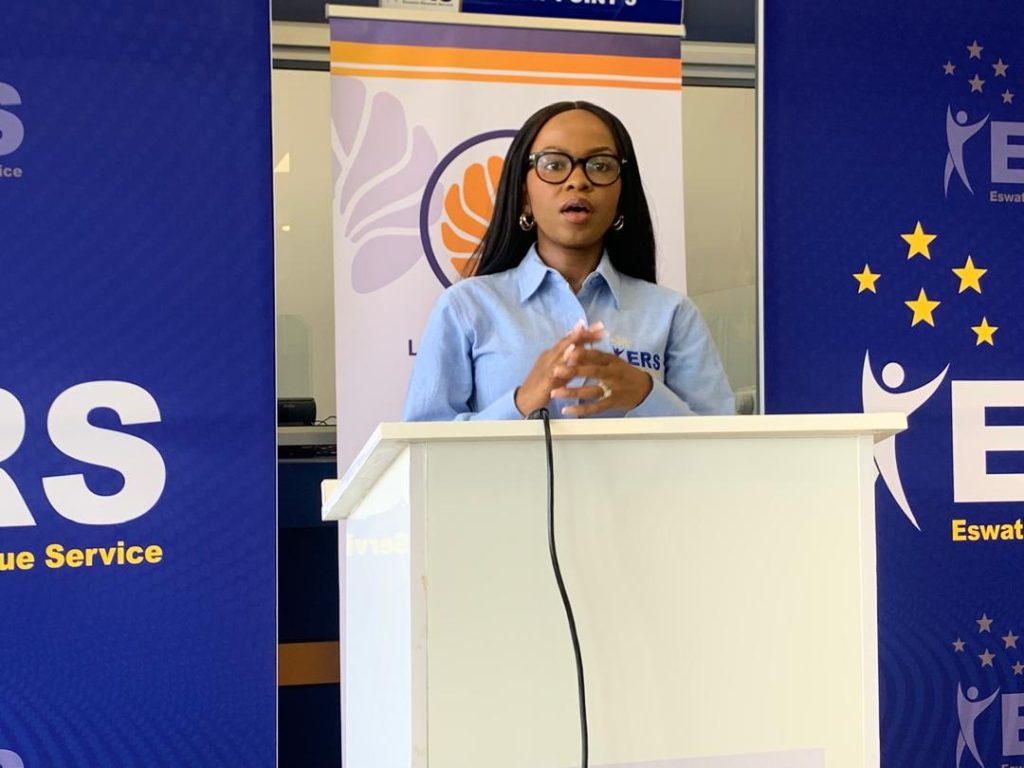
Tembe echoed this appreciation, recognising the role of employees in ensuring clients experience seamless service when interacting with the new centre.
Looking Ahead
The launch of the ERS and ENPF Matsapha Service Centre is more than an administrative milestone—it is a symbol of innovation and collaboration in Eswatini’s public service. By addressing client pain points, aligning strategies, and committing to a shared vision, the two institutions are setting a precedent for how partnerships can be used to improve national service delivery.
As more centres are rolled out in the coming years, the partnership is expected to deliver even greater socio-economic impact, empowering businesses, supporting individuals, and contributing to the country’s prosperity.
For now, the Matsapha Service Centre stands as a beacon of what can be achieved when institutions think beyond boundaries and work together with one purpose: to serve the people of Eswatini better.