
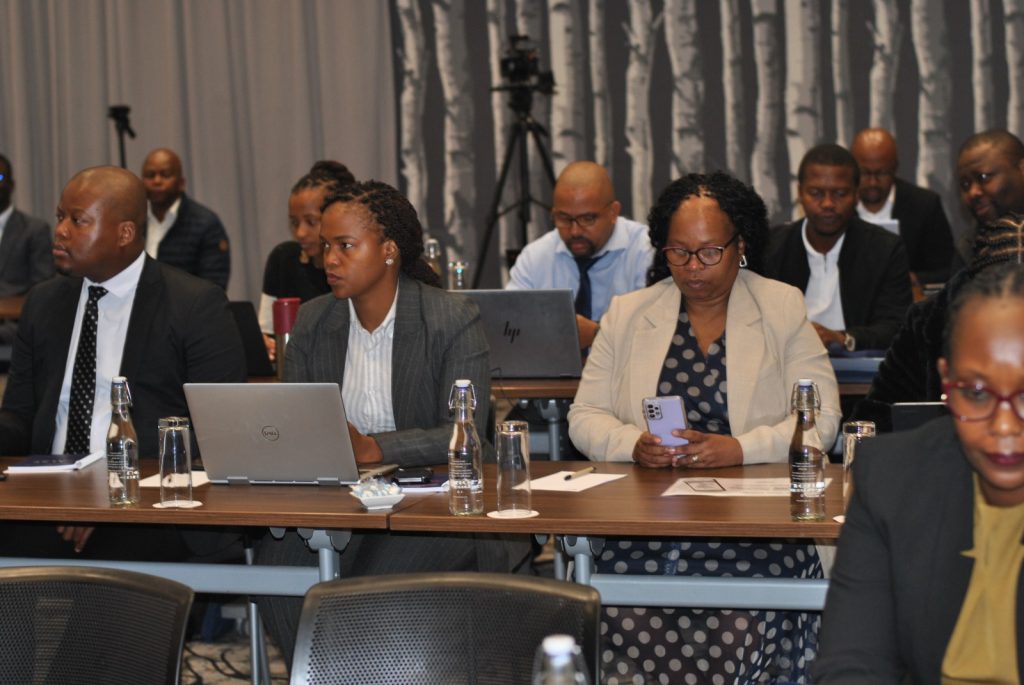
The Government of Eswatini has launched a week-long workshop to enhance its capacity for Public-Private Partnerships (PPPs), with legal and technical assistance from the African Legal Support Facility (ALSF) and practical support from the African Development Bank (AfDB).
Held at the Hilton Garden Inn in Mbabane, the workshop brought together senior officials from various government ministries, the ALSF, DLA Piper consultants, and representatives of the AfDB. The goal is to equip Eswatini’s public sector with practical tools to guide the preparation, evaluation, and management of PPP projects.
During the official opening, the Ministry of Finance’s Director of Supply Chain Management, Nkululeko Dlamini, said the workshop marks a significant milestone in the country’s ongoing PPP reform process.
“The primary purpose of this workshop is to validate and build consensus around the PPP toolkits that have been developed to guide the implementation of PPP projects in Eswatini,” he said. “These toolkits will help public entities implement projects more efficiently and transparently, while ensuring value for money and fiscal responsibility.”
The development of the PPP toolkits was funded by the ALSF and implemented with technical support from DLA Piper, an international law firm with global expertise in public infrastructure and finance. The AfDB also partnered in the initiative, allowing the use of the Mkhondvo-Ngwavuma Water Augmentation Project (MNWAP) as a case study to test the toolkit’s real-world application.
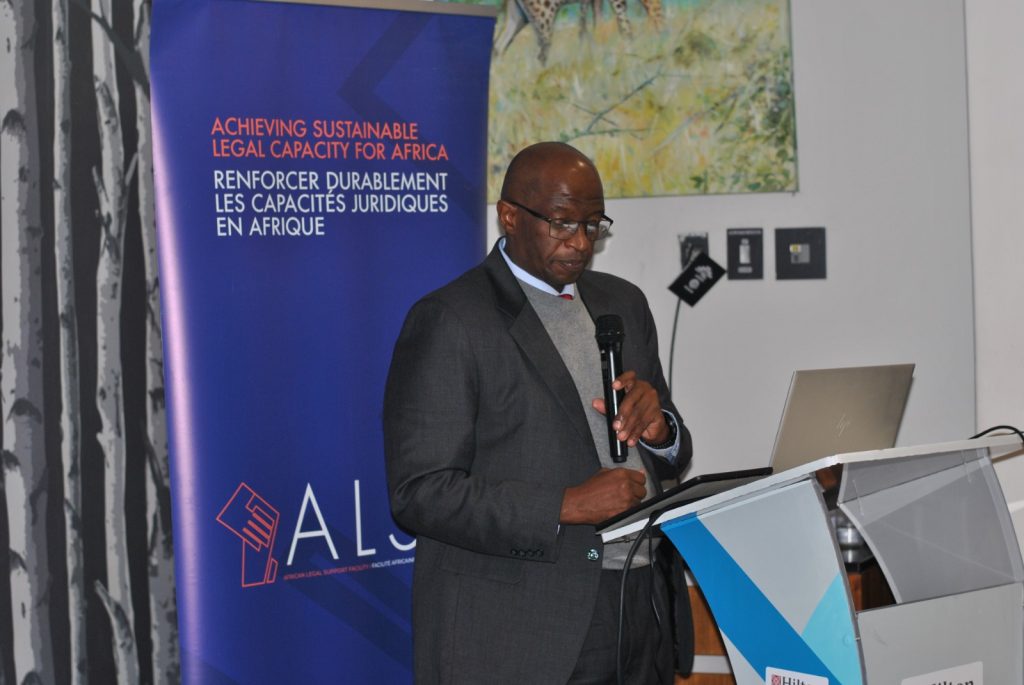
Dlamini noted that the participants had been carefully selected based on their expertise and roles in government planning, finance, and infrastructure.
“Your input during this workshop will be invaluable not only in refining the toolkits but also in shaping the legislative framework that will follow,” he said.
He urged participants to view the workshop as an opportunity to provide practical, sector-specific input that will influence not only the toolkits but also the broader legislative framework Eswatini aims to develop.
The Director also emphasized the government’s commitment to transparency and accountability, stating that sound institutional tools and policies would lay the groundwork for sustainable infrastructure investments.
“This initiative is about building a foundation that will attract credible investors and ensure that the Kingdom fully benefits from private sector participation,” Dlamini added.
Representing the ALSF, Cynthia Kankindi praised Eswatini’s progress in institutionalizing PPPs and explained the Facility’s role in providing legal and technical support to African governments.
She outlined the ALSF’s mandate, established in 2008 under the African Development Bank’s auspices, to help African countries strengthen legal capacity and negotiate fairer, more balanced commercial agreements.
“Our mission is to enhance legal capacity for Africa’s sustainable development,” said Kankindi. “We aim to ensure that governments can negotiate confidently with private partners and implement projects that will last.”
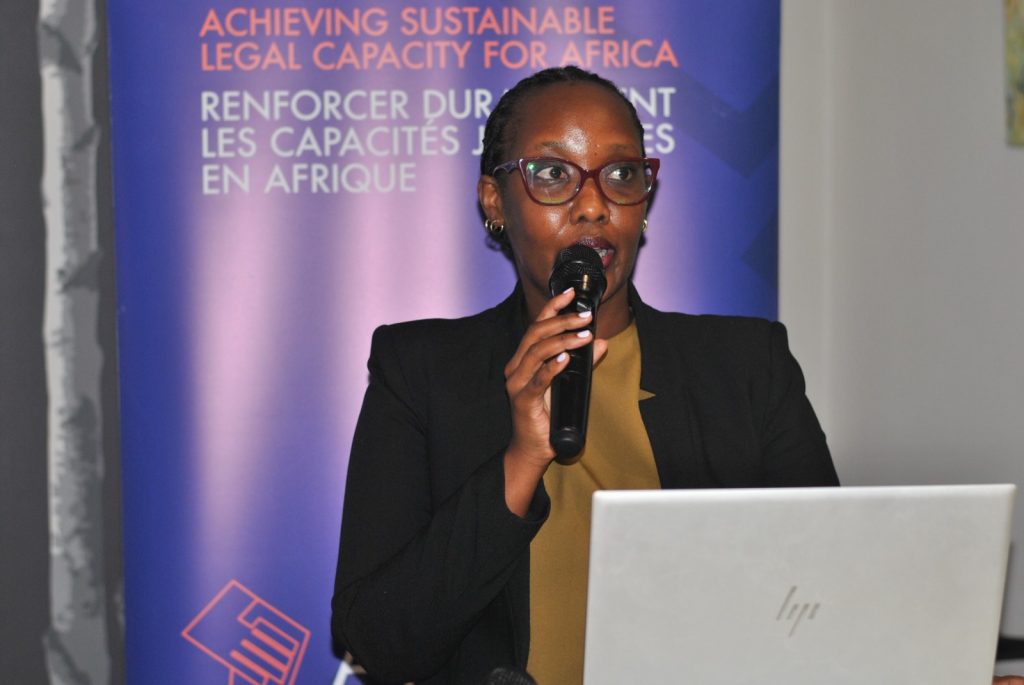
She noted that the partnership with Eswatini includes four key work streams:
• Reviewing Eswatini’s legal and institutional PPP framework,
• Developing model agreements and toolkits for sectors such as roads and public buildings,
• Conducting capacity-building workshops, and
• Applying the toolkits through real-world projects like the MNWAP initiative.
Kankindi added that Eswatini is one of several African countries currently benefiting from ALSF’s advisory and capacity-building services across key infrastructure sectors, including energy, transport, ICT, health, and water and sanitation.
“We are very happy to see Eswatini’s PPP journey reach this stage,” she said. “The toolkits developed here will not only standardize project documentation but also serve as a foundation for a future PPP law, one that ensures predictability, transparency, and investor confidence.”