
As Africa aggressively pursues the infrastructure targets outlined in AU Agenda 2063 (“The Africa We Want”), the conversation surrounding clean energy has moved from distant alternative technologies to immediate baseload solutions.
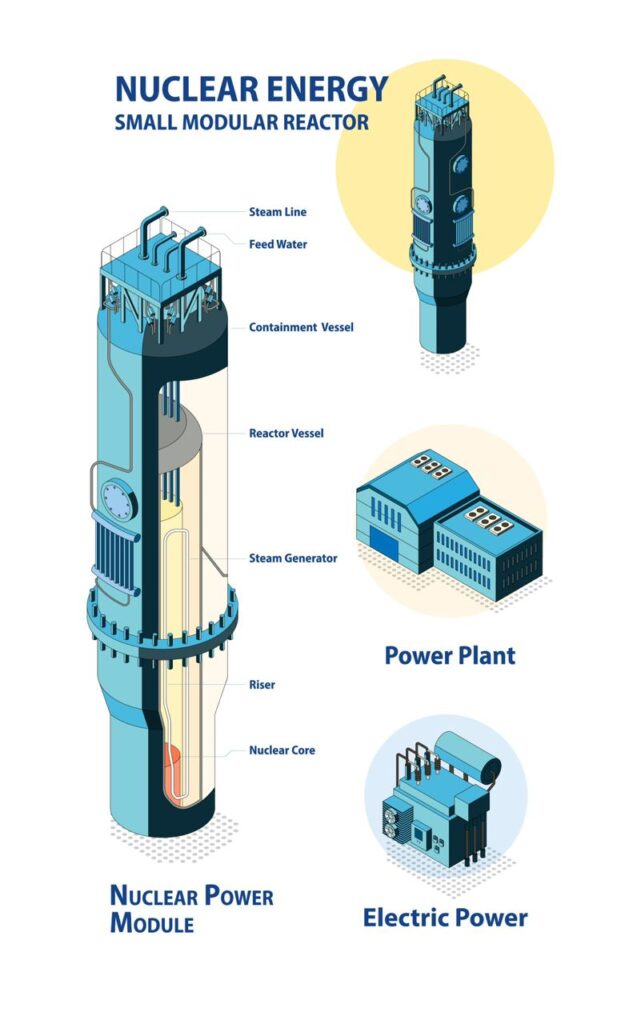
At the forefront of this shift are Small Modular Reactors (SMRs), advanced nuclear solutions engineered to anchor modern industrial grids with lower upfront capital costs and compact, scalable deployment footprints.
Speaking during an exclusive, closed-door regulatory session at the 2nd Nuclear Energy Institutional Review & Cooperation Africa (NEISA) Conference in Kigali, Minister for Tourism and Environmental Affairs Jane Mkhonta-Simelane outlined the Kingdom’s blueprint for balancing rapid national energy expansion with absolute safety and public confidence.
Eswatini’s current energy landscape has a vulnerability common across the region. The Kingdom relies on external partners for approximately 80 percent of its electricity, imported primarily from South South Africa and Mozambique via bilateral grid agreements.
While the Minister acknowledged the value of these long-standing regional partnerships, she emphasized that Eswatini’s long-term socioeconomic objectives require a dramatic shift toward domestic self-reliance.
“Access to modern, clean, and reliable energy is essential to the achievement of our national development goals,” said Simelane. “While we deeply value our regional bilateral cooperation, our current dependency underscores the vital importance of strengthening our own domestic energy security and resilience.”
To achieve this, the Kingdom has increasingly looked toward advanced nuclear energy, specifically SMRs, as a critical baseline power option to anchor its newly developed national program of action.
Establishing a modern nuclear sector presents a unique regulatory tightrope. A young regulatory body must ensure uncompromising safety and international compliance while actively facilitating rapid infrastructure growth to keep pace with state developmental goals.
To transform an emerging oversight agency into a mature, credible institution capable of regulating SMR technologies, Eswatini proposed a comprehensive, four-pillar strategic cooperation blueprint, according to the minister.
She noted that emerging bodies must rely heavily on established global authorities to build their foundational legal frameworks. Simelane credited the International Atomic Energy Agency (IAEA) for providing the critical technical and structural backing necessary to build its initial oversight architecture.
This international collaboration culminated in the drafting of the Nuclear Radiations and Safety Act, 2025, which now serves as the statutory foundation for the Kingdom’s new regulatory body.


Mkhonta further noted that no developing nation should attempt to construct a nuclear regulatory ecosystem in isolation. The Minister emphasized the strategic necessity of tapping into active, peer-led regional networks, such as the Forum of Nuclear Regulatory Bodies in Africa (FNRBA), currently chaired by Ghana, to absorb best practices regarding the modalities of supervising complex nuclear sources.
Practical operational readiness is accelerated through direct technical exchange. Simelane formally acknowledged the vital assistance rendered by regional peers, including Ghana, Morocco, Zimbabwe, and South Africa, in sharing operational best practices. Building on this momentum, Eswatini is moving to formalize long-term bilateral partnerships with host nation Rwanda through targeted Memorandums of Understanding (MoUs), following Rwanda’s highly rated regulatory readiness assessments.
A regulatory body cannot achieve maturity if it operates in an administrative silo. According to Simelane, for a young regulator to transition successfully into a state of high readiness, it requires seamless integration and multi-ministry cooperation across all pivotal domestic state organs.