
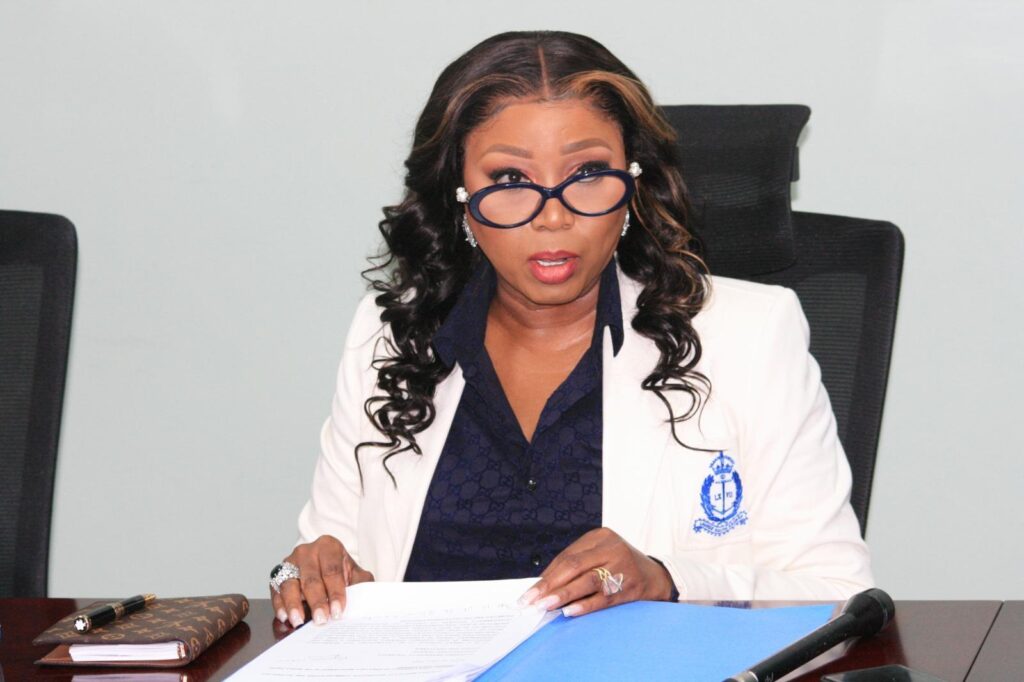
The Kingdom of Eswatini is making measurable progress in narrowing the digital gender gap, with women now accounting for approximately 59% of digital skills trainees across national programmes, demonstrating measurable progress towards closing the digital gender gap.
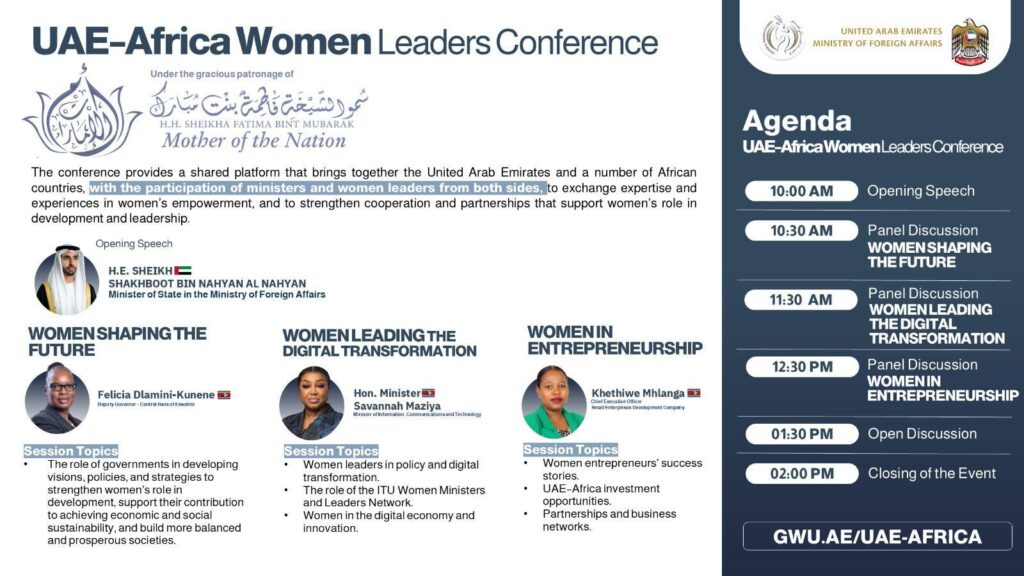
This was revealed by Minister of Information, Communications and Technology, Savannah Maziya, during her participation at the UAE-Africa Women Leaders Conference.
Speaking during the discussions, Maziya said Eswatini has deliberately prioritised women and girls in the country’s digital transformation agenda to ensure that technological advancement becomes inclusive and accessible to all communities.
“Eswatini recognises that digital transformation must be measured not only by connectivity statistics, but by the extent to which it improves the lives of people in underserved and marginalised communities, particularly women and girls in rural areas,” said the Minister.
She explained that government, through the Universal Access and Service Fund (UASF), has intentionally shifted its focus beyond infrastructure expansion towards promoting meaningful digital participation.
Among the initiatives currently being rolled out are digital literacy programmes targeting women and girls, expansion of digital skills programmes through community centres and libraries, establishment of community ICT hubs and rural public access centres, and assistive technologies for persons with disabilities and vulnerable groups.
The Minister further highlighted the Learning Passport Programme, which supports inclusive digital education across the country. According to Maziya, the participation of women in these programmes demonstrates encouraging progress toward closing the long-standing digital gender divide and creating more opportunities for women within the digital economy.
“What is important for us is ensuring that technology and innovation are solving real problems for our people. We must intentionally involve young people, especially young women, from the earliest stages of their education and careers so that they enter these spaces with confidence and purpose,” she said.