

A comprehensive audit has revealed that 93% of government services are still processed manually or through fragmented paper-based systems, exposing major gaps in the Kingdom’s digital transformation agenda.
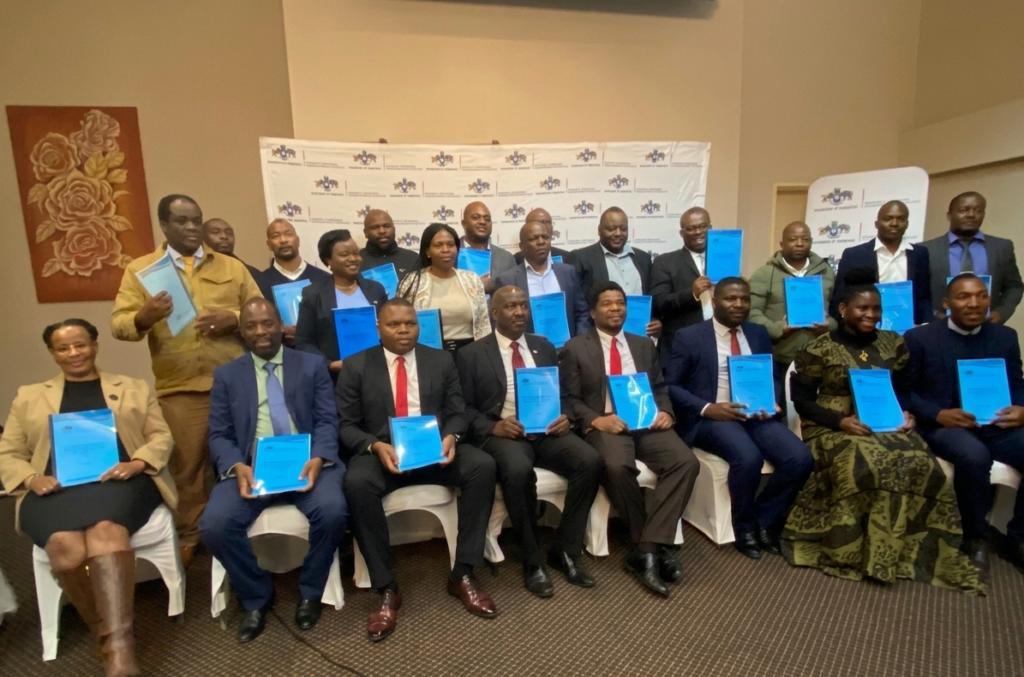
The findings were presented during the Digital Landscape Assessment Report Presentation Breakfast Meeting hosted by the Ministry of Information, Communications and Technology (MICT) on Thursday morning, where Principal Secretary Andreas Dlamini said the report will serve as the foundation for a more realistic and coordinated national e-Government strategy.
The report found that out of 419 citizen-facing services mapped across 22 ministries, only 31 services (representing just 7%) are fully accessible online from beginning to end. As a result, approximately 75% of routine government transactions still require citizens to physically visit government offices.
The assessment highlights how the slow pace of digitisation continues to burden emaSwati with long queues, repeated travel costs, and delays in accessing public services, particularly for those living outside urban centres. “This assessment is not the destination, but the beginning of a structured journey towards a more connected, efficient and transparent government under the vision of Government In Your Hand,” said Dlamini.
The report further revealed significant disparities in institutional digital readiness across government ministries. Using a four-tier digital maturity framework, the assessment found that no ministry achieved the highest “Advanced” status. Only the Ministry of ICT, the Ministry of Health, and the Ministry of Home Affairs reached Tier 3, classified as “Progressing.”
Meanwhile, 16 ministries remain at Tier 2, labelled “Developing,” while the Ministry of Tinkhundla Administration and Development, Ministry of Foreign Affairs and International Cooperation, and Ministry of Housing and Urban Development were rated at the lowest level, Tier 1 or “Early Stage.”
The report attributed the slow digital transformation to severe infrastructure and human resource shortages within government institutions. The audit found that the entire civil service employs only 18 dedicated ICT officers, most of whom are concentrated within seven ministries. Fifteen ministries currently operate without any internal ICT personnel to maintain systems or provide technical support.
The report also identified weak internet infrastructure as a major obstacle. Most ministries reportedly operate on internet speeds of one megabit per second or less, while the quality of the government-wide SWAZI-NET network was widely described as poor.
The digital divide remains particularly severe in rural areas, where government offices continue to rely heavily on unstable mobile broadband connectivity due to limited fibre infrastructure coverage.
To address the challenges, the report recommends urgent policy reforms, including the introduction of mandatory digitisation targets for priority public services, the development of a unified national service catalogue, and the implementation of formal ICT strategies across all ministries.

The assessment further urges government to prioritise broadband expansion and institutional capacity building as critical components of the Kingdom’s digital transformation programme. Dlamini said the report provides government with “evidence-based realities” that will guide future policy implementation and strengthen coordination across state institutions.