
Restaurants in Eswatini are being encouraged to embrace Traditional African Vegetables (TAVs) as part of a growing movement aimed at unlocking new business opportunities, promoting healthier diets and strengthening local agricultural value chains.
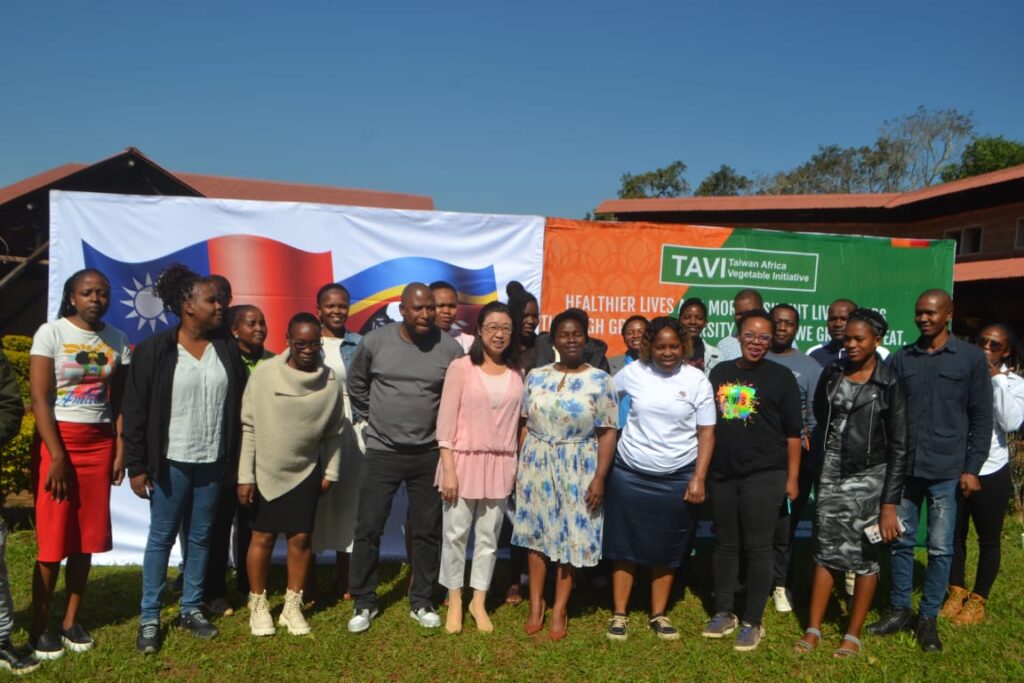
This comes as the World Vegetable Center Eswatini Office hosted a Culinary Training and Certification Workshop for Restaurant Partners at the Malkerns Research Station under the Taiwan-Africa Vegetable Initiative (TAVI) Phase II.
The initiative seeks to position Traditional African Vegetables as commercially valuable products capable of creating new revenue streams for restaurants while simultaneously promoting nutrition and supporting local farmers.
Speaking during the workshop, World Vegetable Center Representative Dr. Yuan-li (Sophia) Chan said indigenous vegetables possess significant culinary, commercial and cultural value that remains largely underutilized within the food service sector.
“Traditional African Vegetables are not only nutritious and climate-resilient crops, but also ingredients with strong culinary, commercial and cultural value,” she said.
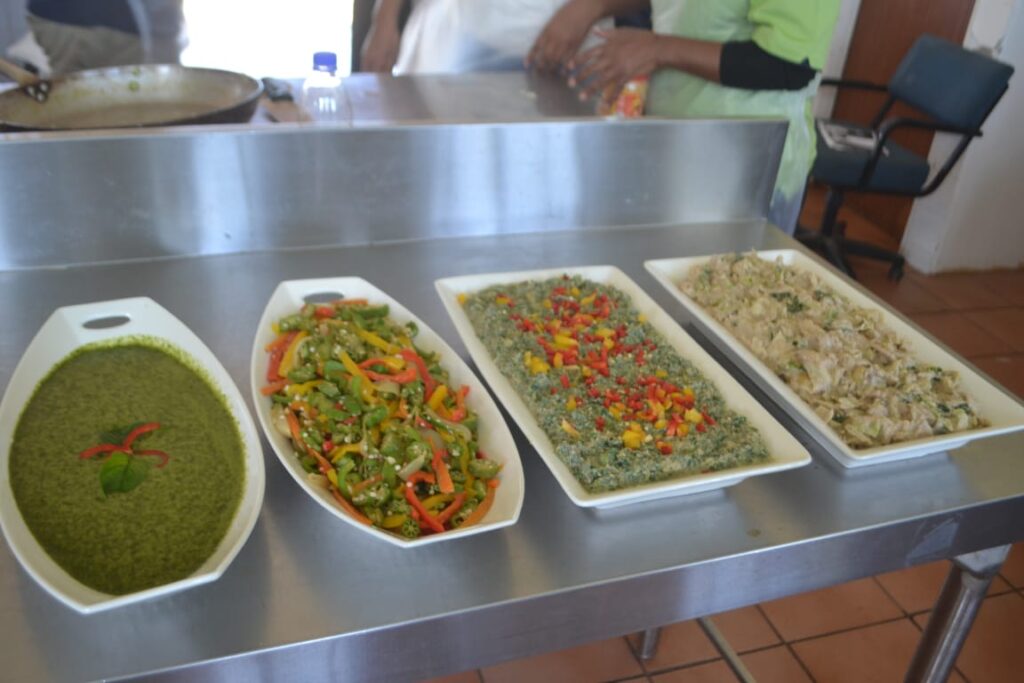
Dr. Chan noted that restaurants and chefs have a unique ability to influence consumer choices and public awareness through innovative food preparation and attractive presentation of dishes.
“Through attractive presentation and quality food preparation, you can help reposition Traditional African Vegetables as desirable and modern food choices,” she said.
She explained that the workshop was designed not only to strengthen culinary skills, but also to establish long-term partnerships with restaurant operators who will participate in future outreach and promotional activities under the TAVI Phase II project.
As part of the programme, participating restaurants received “TAV-Certified” recognition, aimed at promoting professional pride while increasing visibility for establishments actively supporting indigenous vegetable promotion.
Dr. Chan said trained restaurant partners will also prepare tasting dishes during outreach events to help raise public awareness about the nutritional and culinary potential of Traditional African Vegetables.
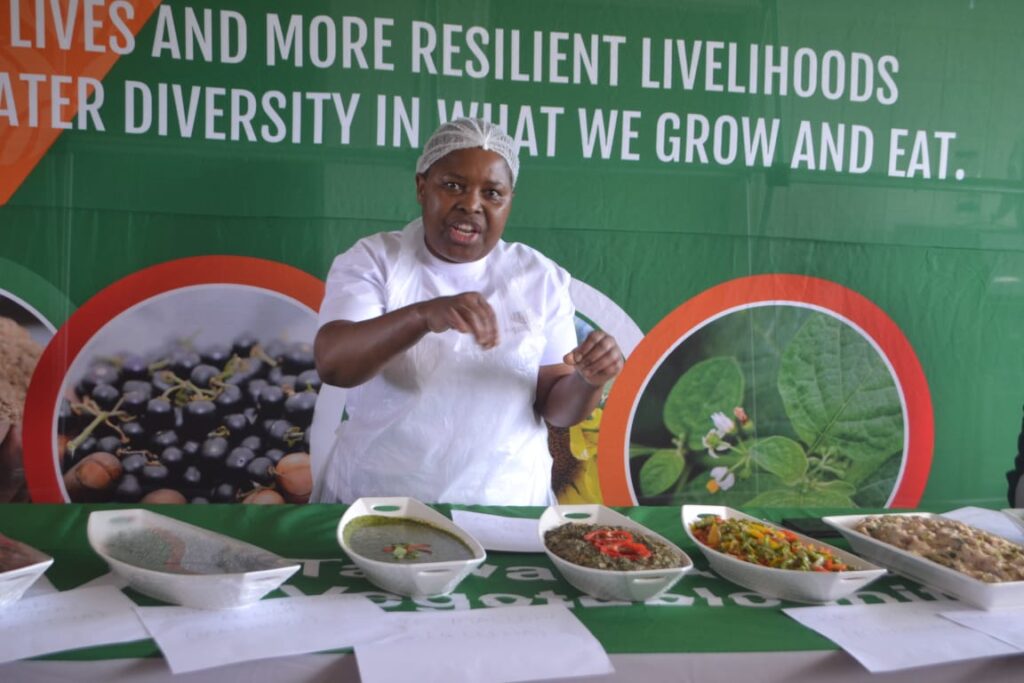
The training covered practical cooking methods, food safety and hygiene principles, nutritional benefits of TAVs, and hands-on cooking demonstrations focused on improving the preparation and presentation of indigenous vegetable dishes.
The initiative is also expected to stimulate demand for locally produced vegetables, creating additional market opportunities for smallholder farmers supplying the hospitality sector.
Dr. Chan highlighted that through the support of the Government of the Republic of China (Taiwan), the TAVI project continues to make visible impact in Eswatini through nutrition education, school feeding programmes, support to farmers, and market-oriented interventions.
“This initiative demonstrates how Taiwan-Eswatini cooperation can support not only agricultural production, but also nutrition improvement, private sector engagement, and local economic opportunities,” she said.