
While sugar has historically served as the lifeblood of Eswatini’s economy by supporting more than 30% of national employment, the global narrative surrounding this “green gold” is facing a radical shift.
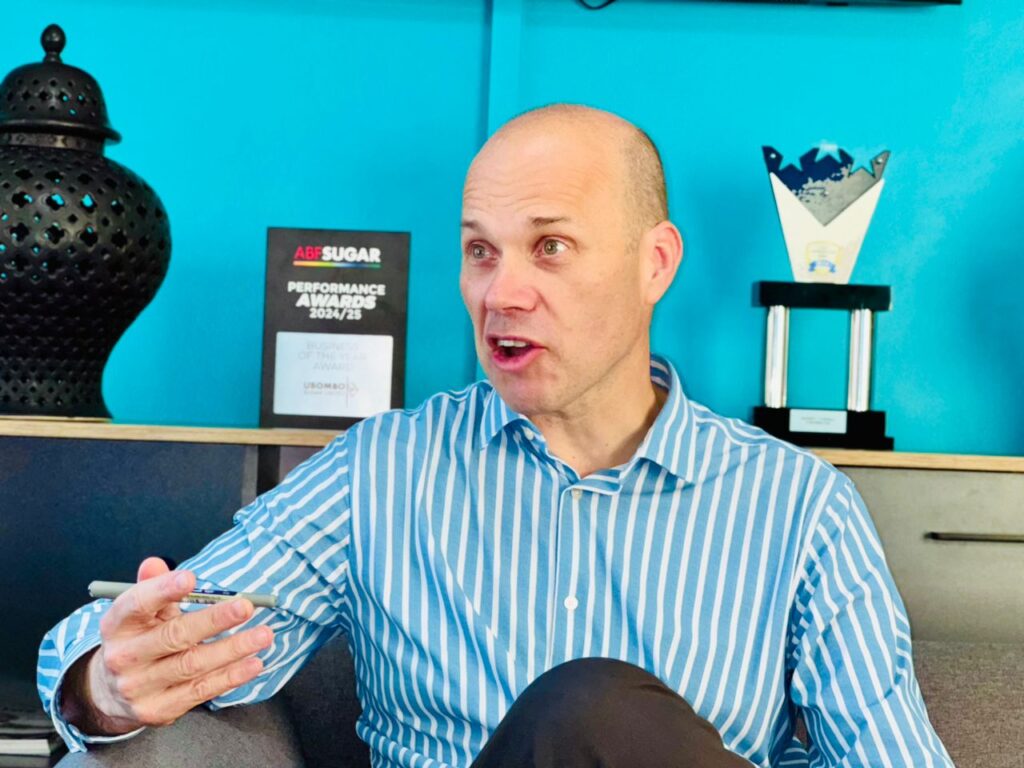
As health-conscious trends reshape consumer habits, Paul Kenward, CEO of ABF Sugar, argues that the market frequently underestimates the profound technical versatility of sugarcane, often mistakenly viewing it solely as a sweetener rather than an industrial powerhouse.
“Because sugar is fundamentally tasty, I think its value is often misunderstood,” Kenward said. “In a soft drink, it provides a specific sweetness that people enjoy, and that inherent appeal ensures there will always be a place for sugar in the global market.”
He notes that while some developed markets have experimented with synthetic alternatives, they often fall short on taste and functional performance. “In some developed markets like the UK, consumers have switched to high-intensity, unnatural sweeteners. But even there, you get a distinct aftertaste; I don’t think it is the same as pure, natural sugar.”
Beyond basic sweetening, sugar provides essential structural properties—such as bulk, texture, and preservation—that alternative sweeteners simply cannot replicate.
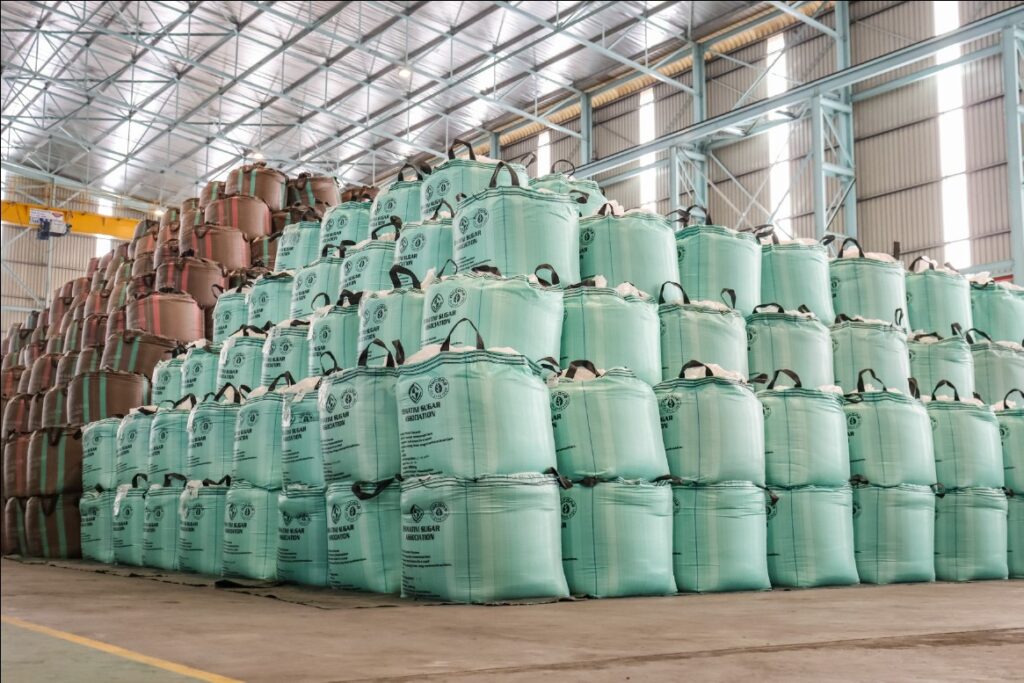
“Try taking sugar out of a muffin or ice cream,” Kenward challenged. “Beyond adding sweetness, sugar dictates the freezing point of ice cream and provides essential bulk, texture, and preservative effects. It is a natural preservative—hence jam being a traditional method of preserving fruit—and it aids in browning and the development of complex flavours. Consequently, it will remain a key ingredient in food for a long time.”
However, the real excitement for forward-looking investors lies in the crop’s potential beyond the sugar bowl. The industry is rapidly pivoting toward a biorefinery model where sugarcane serves as a renewable alternative to traditional petrochemicals. Kenward envisions a future where Eswatini’s fields fuel more than just people, noting that the sector can successfully manufacture plastics, biochemicals, and fuel directly from sugar.
This diversification into bio-ethanol and co-generation of power transforms the agricultural sector into a central pillar of the regional green energy transition.
“In Eswatini, you have steady population growth and impressive GDP growth,” Kenward highlighted. “As people get wealthier, their diets diversify away from basic staples. On top of that structural growth, there are the co-products, namely ethanol, power generation, and bio-fertiliser. Sugar can genuinely become a clean replacement for carbon-heavy petrochemicals.”
For Kenward, the modern sugar industry is no longer just about traditional farming. “It is an innovation-led sector that offers a fantastic place to build a highly rewarding career in both modern agriculture and digital manufacturing.”