
Eswatini is intensifying efforts to attract Taiwanese investment, with growing interest from companies linked to the proposed Taiwan Industrial and Innovation Park (TIIP), a flagship project expected to accelerate the country’s industrialisation drive and create much-needed employment opportunities.
Speaking on behalf of the Minister of Commerce, Industry and Trade at the Taiwan-Eswatini Investment Workshop held at Mountain View Hotel on Wednesday, Principal Secretary (PS) Melusi Masuku said the Kingdom has already seen increasing engagement from Taiwanese investors since the announcement of the park.
“We have witnessed a growing interest by Taiwanese companies to invest in Eswatini ever since the two countries launched the Taiwan Industrial and Innovation Park,” Masuku said. “This is the fourth mission we have received since the Park was announced.”
The PS described the TIIP as a “critical milestone” in strengthening economic cooperation between Eswatini and Taiwan, noting that technical groundwork is already underway, including site visits and consultations with engineering teams from CECI.
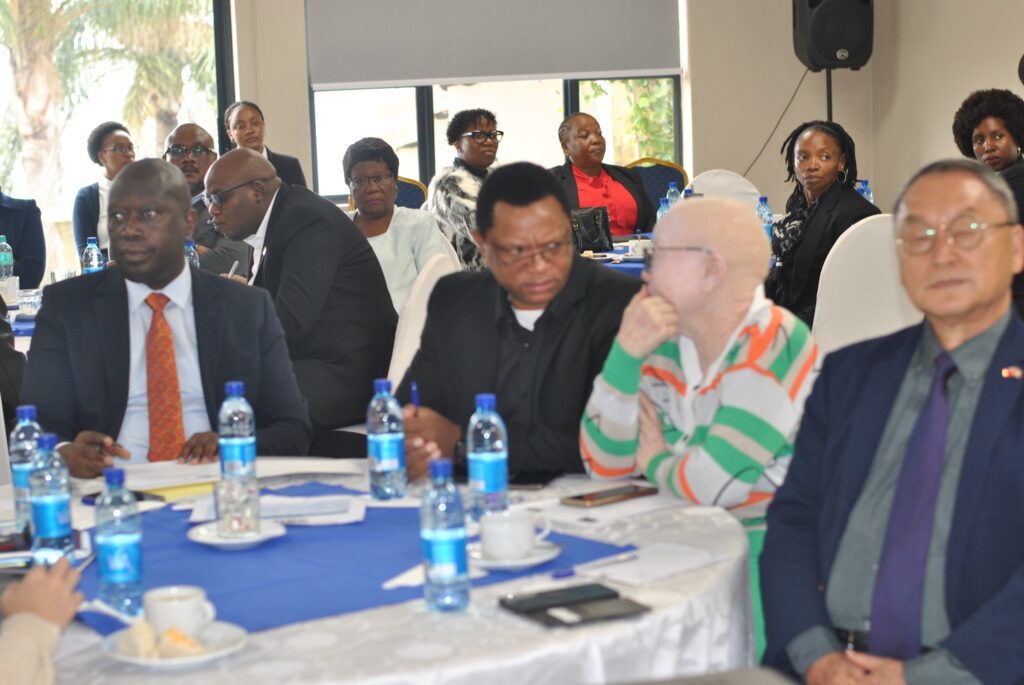
The workshop brought together senior government officials, business leaders, and members of a high-level Taiwanese delegation, with discussions centred on unlocking investment opportunities and deepening bilateral trade ties. The workshop aimed to deepen economic cooperation and industrial ties between the two nations.
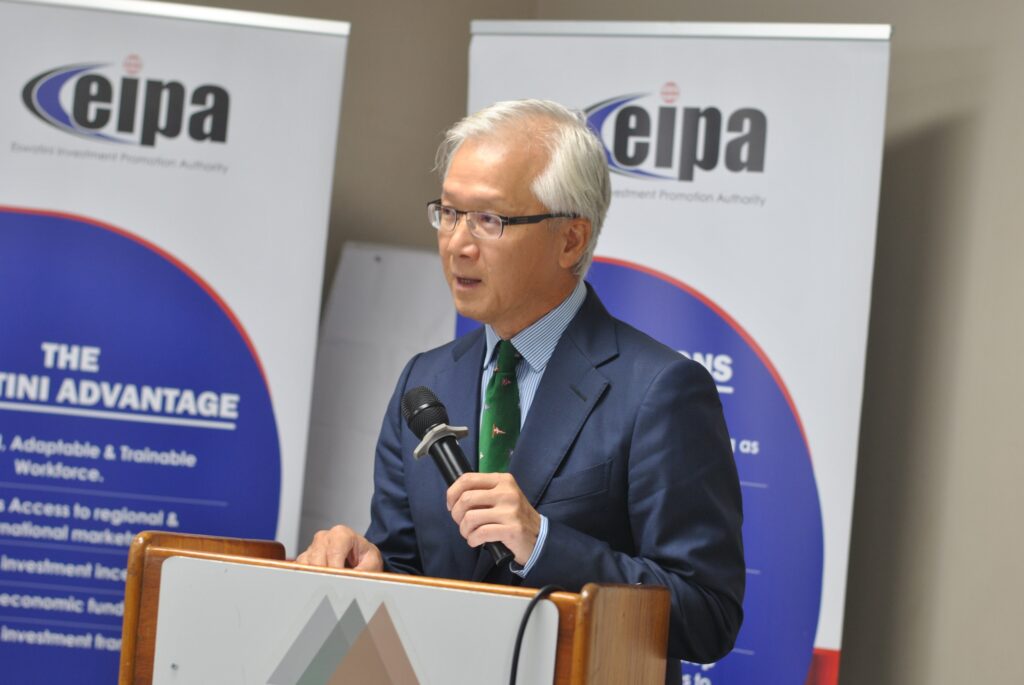
Beyond investment promotion, the urgency of such collaborations was underscored by broader global economic realities. Speaking during the workshop, Ching-lin Tsuei, Minister – Embassy of Taiwan highlighted concerns around rising global unemployment, referencing projections that approximately 1.2 billion young people are expected to enter the workforce in the near term, while only 400 million jobs may be available. This imbalance, he noted, reinforces the importance of strategic partnerships such as the Eswatini-Taiwan collaboration in driving job creation and economic resilience.
“Collaborations are very important in job creation and economic development as we move forward,” he said, emphasising the need for joint efforts between governments and private sector players.
Reaffirming the deep commitment to economic partnership between the two nations. Tsui highlighted that the Taiwan-Eswatini Investment Promotion (TRIP) project is progressing steadily, promising increased investment, job creation, and new opportunities for Eswatini.
Taiwanese representatives echoed this sentiment, highlighting the long-standing relationship between the two countries and expressing confidence in Eswatini’s investment potential. Officials from the Taiwanese delegation described Eswatini as a stable and attractive destination, offering preferential access to key international markets, including the United States, Europe, and regional African partners.
They further noted that the current business mission, comprising companies from textiles, biotechnology, pharmaceuticals, renewable energy, and packaging, demonstrates the breadth of interest in Eswatini’s economy.
At the centre of discussions was the Taiwan Industrial and Innovation Park, which government is positioning as a key vehicle for economic diversification, particularly into non-traditional sectors such as manufacturing, technology, and agro-processing.
“We have clearly indicated our desire to see diversification of Taiwan companies into new non-traditional sectors which will be made possible by the TIIP,” Khumalo said.
The proposed investment would include the establishment of multiple factories spanning textiles, printing, embroidery, and related manufacturing activities, incorporating high-tech and environmentally sustainable production systems.
Beyond industrialisation, the PS highlighted broader areas of cooperation, including agriculture, technology, and tourism.
Agriculture remains central to Eswatini’s economy, with opportunities for Taiwanese firms in agro-processing, food packaging, and value addition. In technology, Taiwan’s global leadership presents opportunities for skills transfer and industrial upgrading, while tourism partnerships could boost visitor flows and unlock new revenue streams.
“As we engage in discussions today, I urge all businesses present to think creatively about how we can partner together,” Masuku said. “Let us explore avenues for collaboration that will lead to sustainable development and mutual prosperity.”
He further commended Taiwan’s continued commitment to Eswatini’s development agenda, describing the partnership as one that has grown “from strength to strength over the years.”