
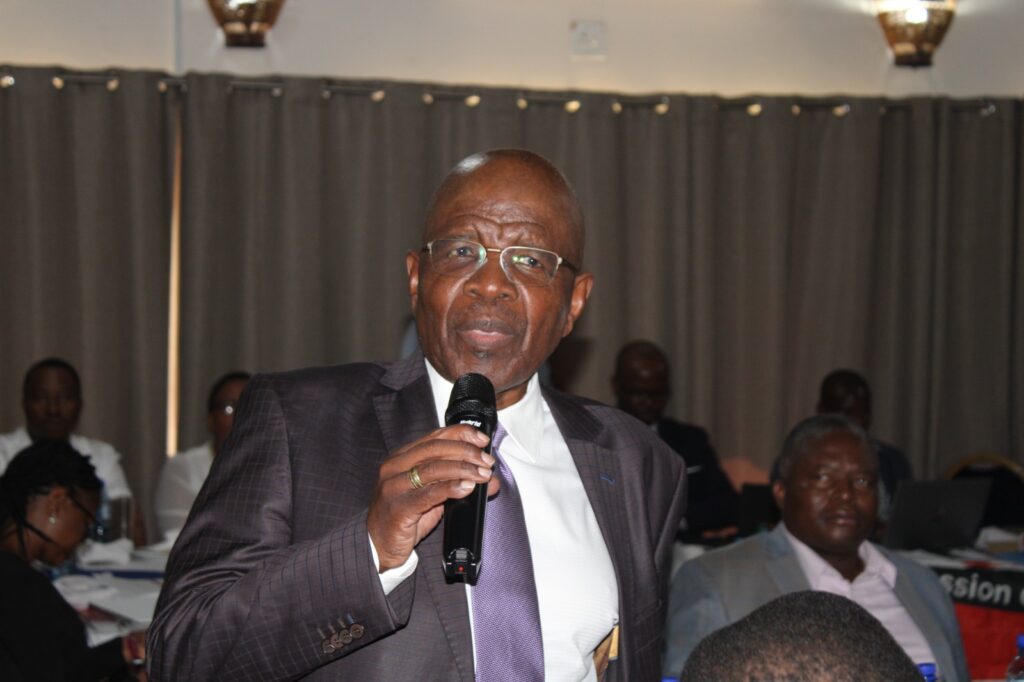
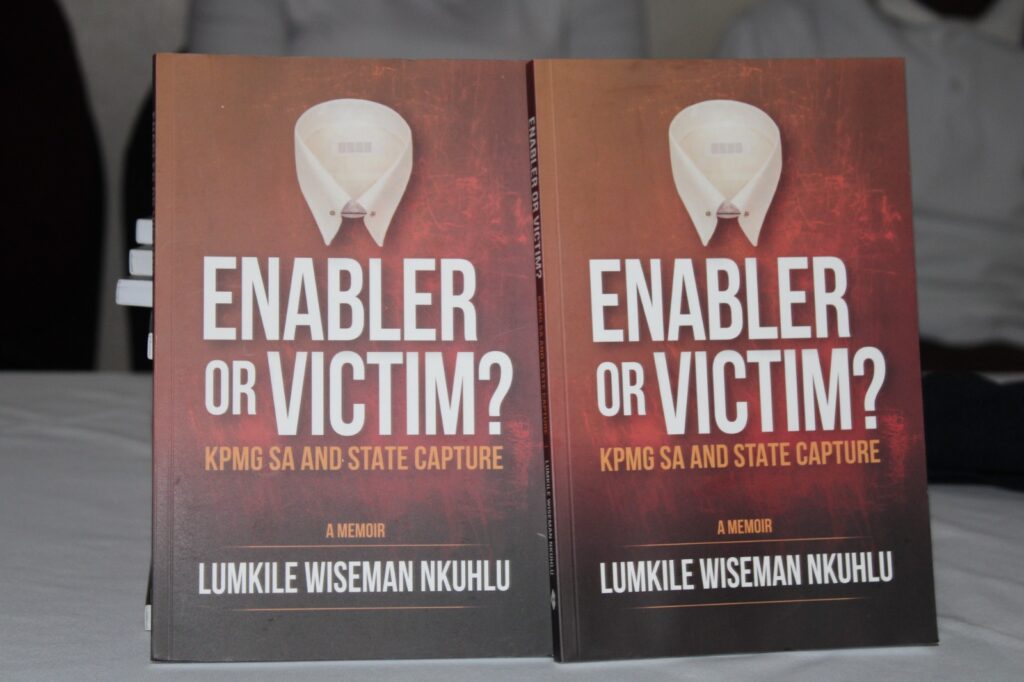
Professor Wiseman Nkuhlu has challenged accountants to move beyond check-box ethics and live a life of true integrity during his keynote address at the Eswatini Institute of Accountants’ ethics breakfast meeting on Friday.
He challenged the traditional reliance on external regulations, stating that for professionals to build flourishing societies and avoid the abuse of position, they must move beyond mere compliance toward a character defined by core values.
“We cannot talk about ethics and rules in isolation,” Nkuhlu said.
He argued that ethics should be treated as an internalized character that defines a person both in and out of the boardroom. Calling for a shift toward deeper morality, he insisted that a leader’s professional conduct is inseparable from their personal values.
“It’s not for leaders to think that their role is just to tell other people what to do, but to exemplify that in the way they carry themselves—not only at work; this is very important,” he said.
“You cannot have two or three personalities. You cannot be dishonest at home or mistreat your children and then think that you are going to be the paragon of excellence and ethical conduct.”
At the heart of this character-driven leadership is Ubuntu, alongside trustworthiness and noble morality, which serve as the foundation for an ethical culture that begins with example, not enforcement.
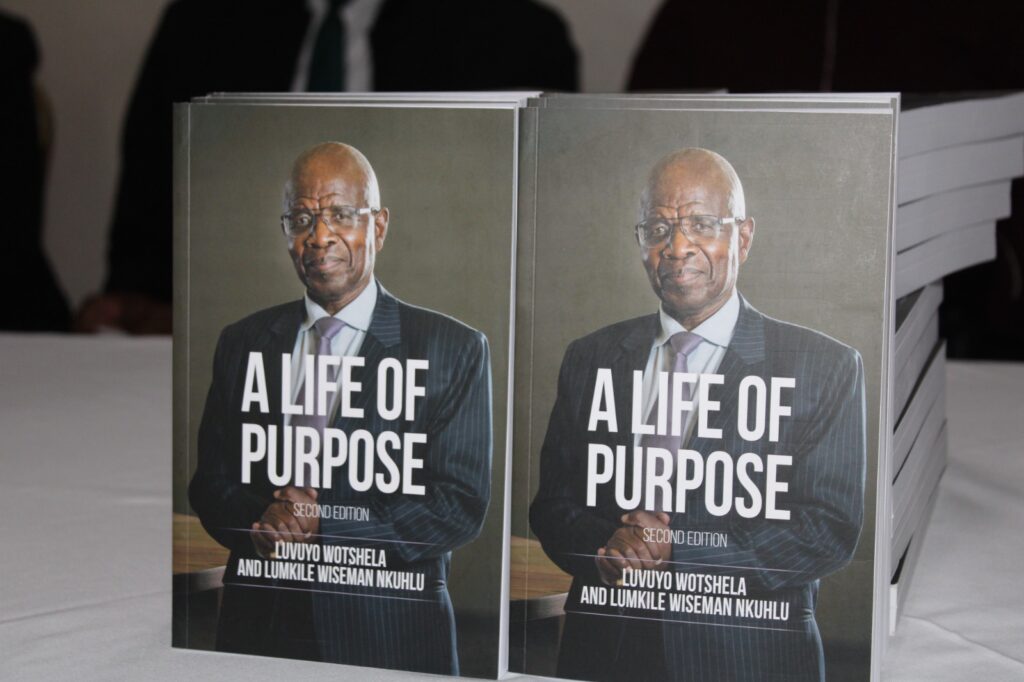
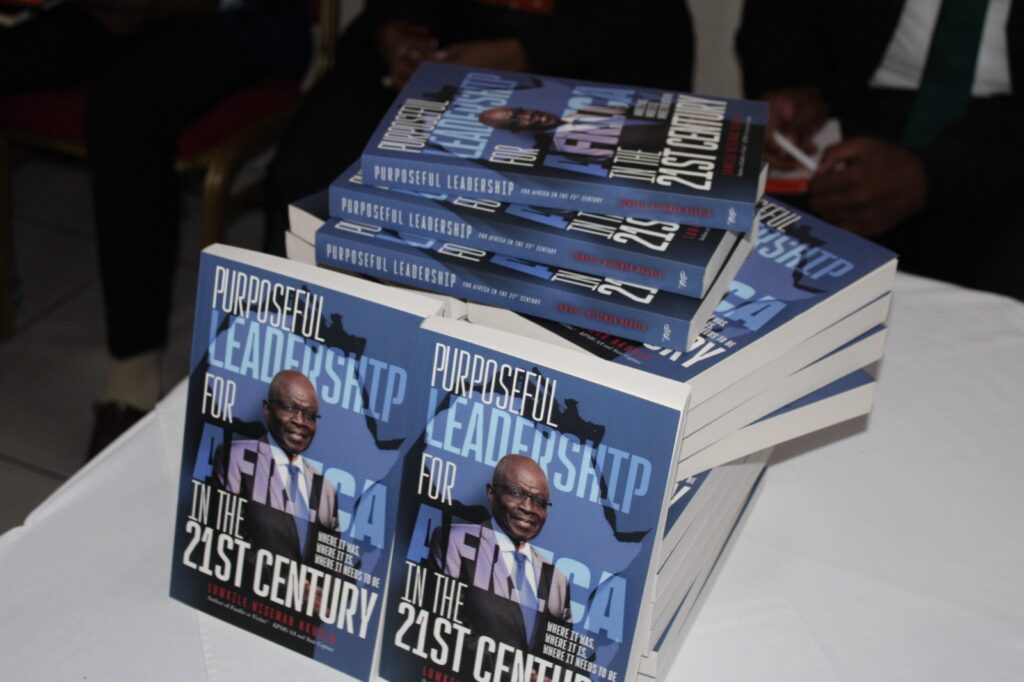
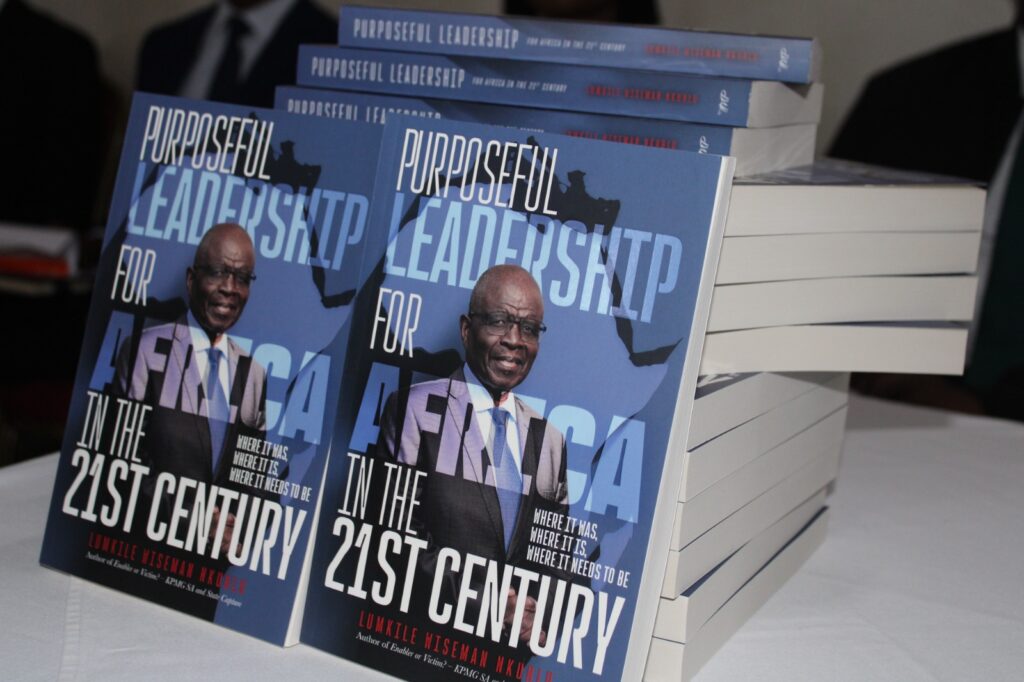
This holistic approach to integrity requires a commitment to the classical virtues of wisdom, courage, and particularly temperance. Nkuhlu defined temperance as the essential ability to govern one’s own impulses, cravings, and anger, suggesting that a truly developed human being possesses a power of reason strong enough to tame and take control of their basic instincts.
In a vivid comparison between human reason and animalistic nature, Nkuhlu used the analogy of a cow grazing on another’s land to illustrate the danger of being dragooned by one’s craving. He highlighted that while humans share basic impulses with animals who eat whatever they crave regardless of ownership, the defining human characteristic is the ability to pause and ask, “Does it belong to me?” before acting. “Really, this ability as a leader and a person to control your impulses does not happen by itself; you must train yourself and remember that.”
He concluded by urging leaders to constantly test themselves when faced with difficult situations, challenging them to ask if they are driven by their base nature or if they have the strength to say, “I cannot allow my nature to guide my actions.” Nkuhlu believes leaders can finally bridge the gap between institutional roles and genuine moral authority.