
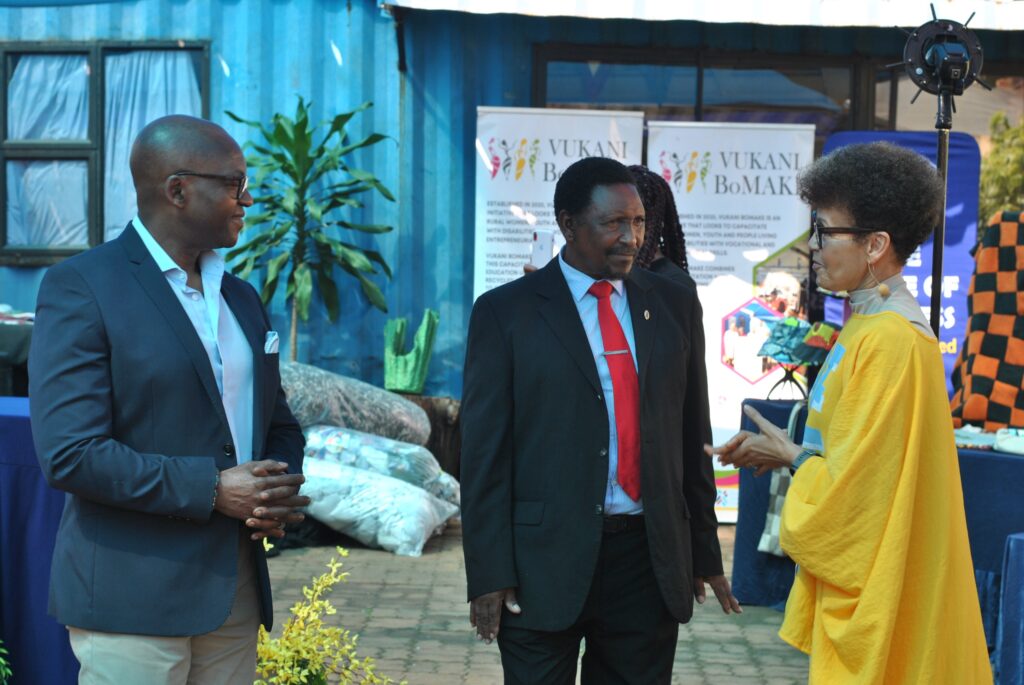
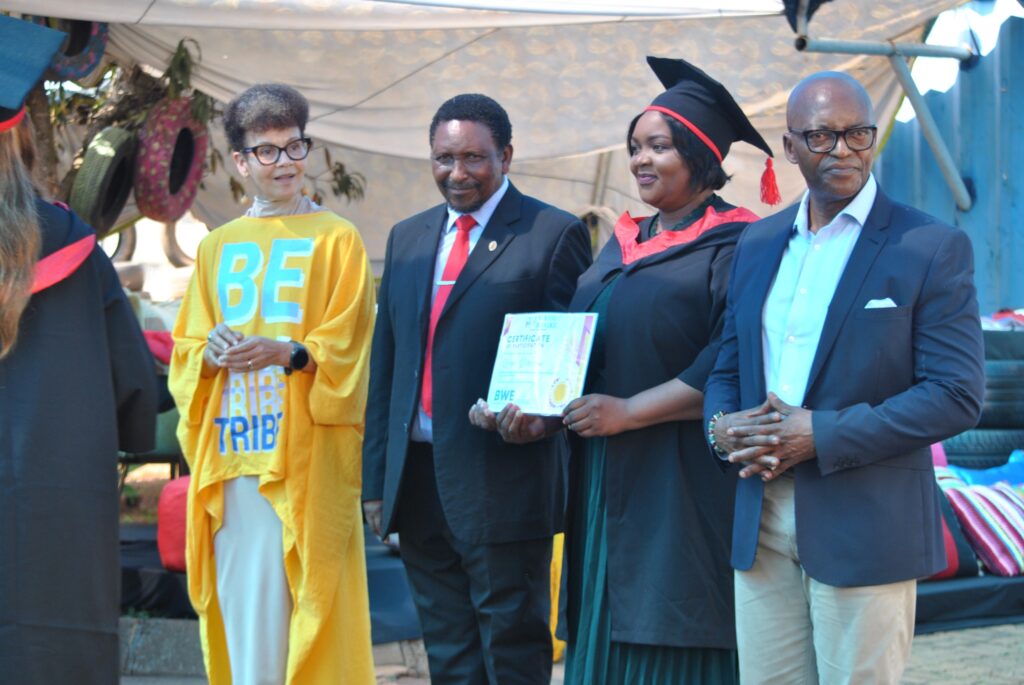
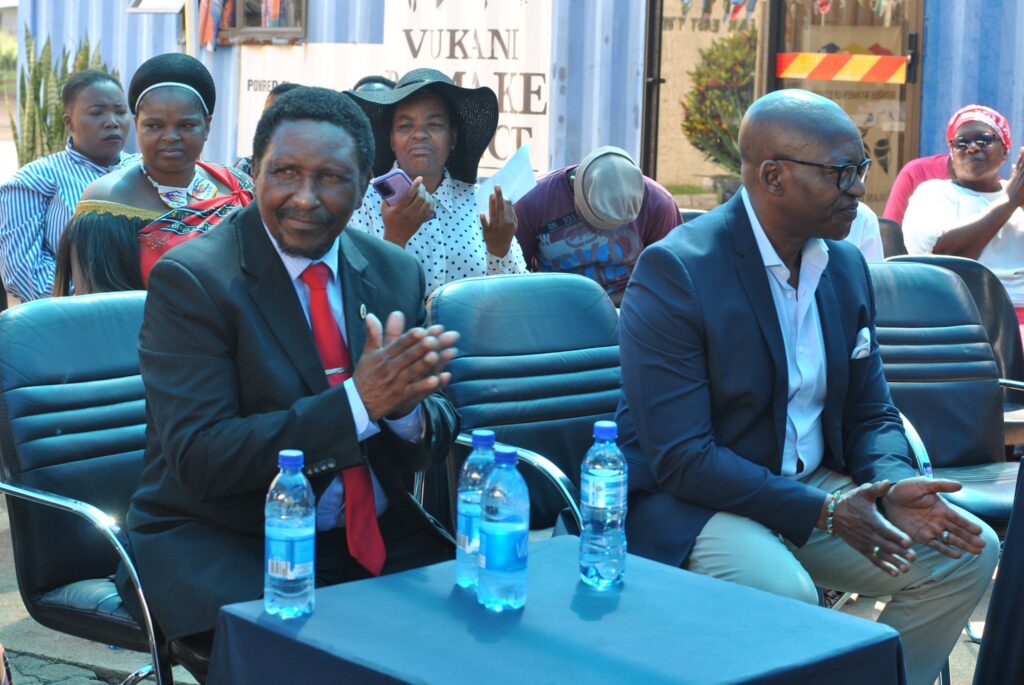
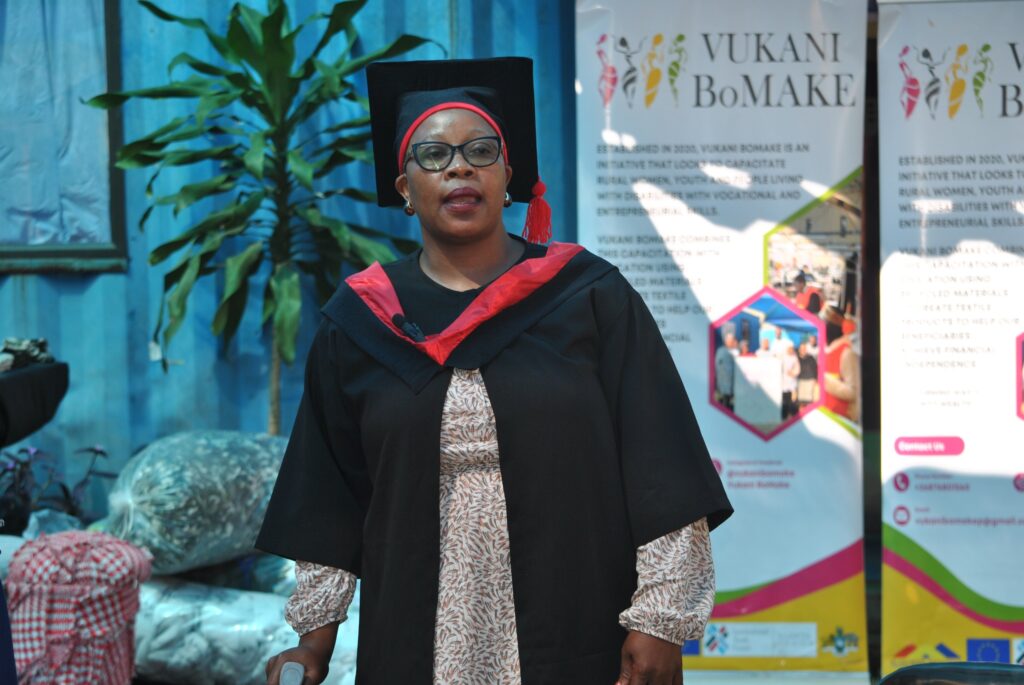
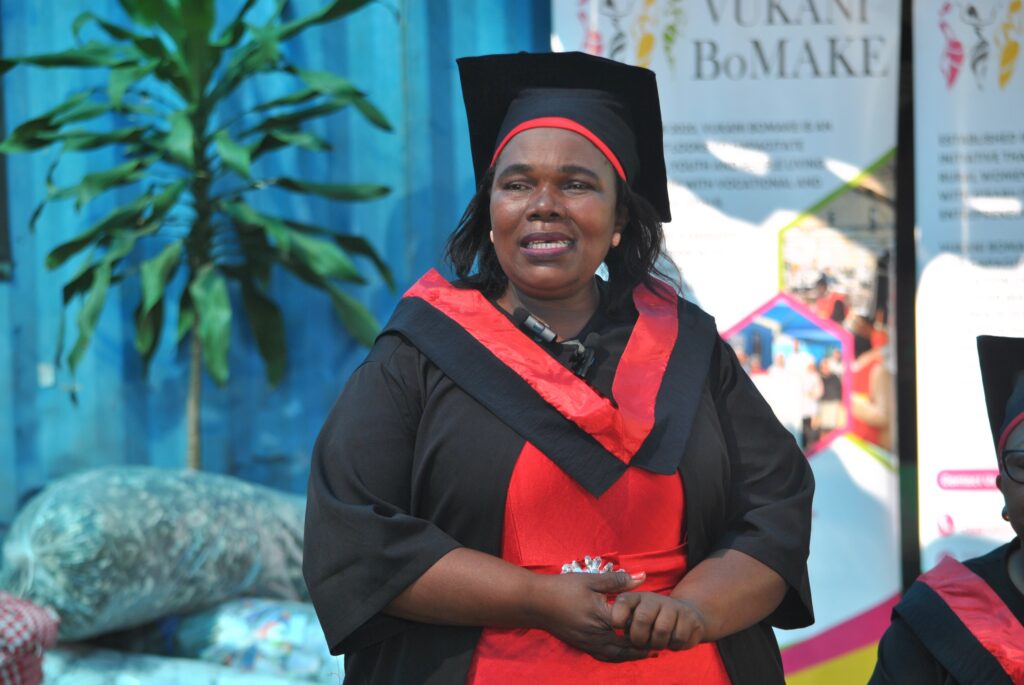
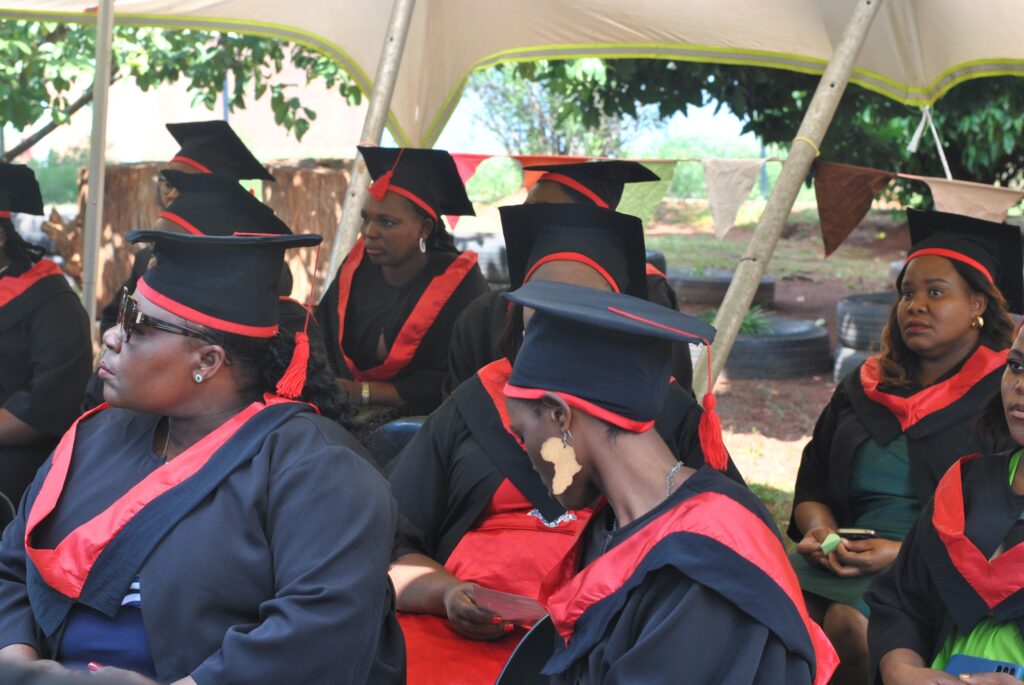
15 women from the Luyengweni community have graduated after completing a three-month training programme under the Vukani BoMake initiative, marking a huge step in efforts to promote skills development, environmental sustainability, and women-led enterprise in Eswatini.
The women were trained in sewing, design, and recycling, with a strong focus on transforming textile waste into usable and marketable products as part of a broader circular economy approach.
The initiative, executed in partnership with Far East Textiles, is not only aimed at equipping participants with technical skills, but also at enabling them to build sustainable livelihoods and contribute to environmental protection through the repurposing of fabric waste.
Speaking during the graduation, Business Women Eswatini (BWE) Chairperson – Tokky Hou – described the programme as a practical response to both unemployment and environmental challenges, noting that the training empowers women to turn waste materials into income-generating products.
“We are celebrating these students who have undergone three months of training. They have been with us from the beginning of February learning how to recycle fabric and turn textile waste into treasure,” she said.
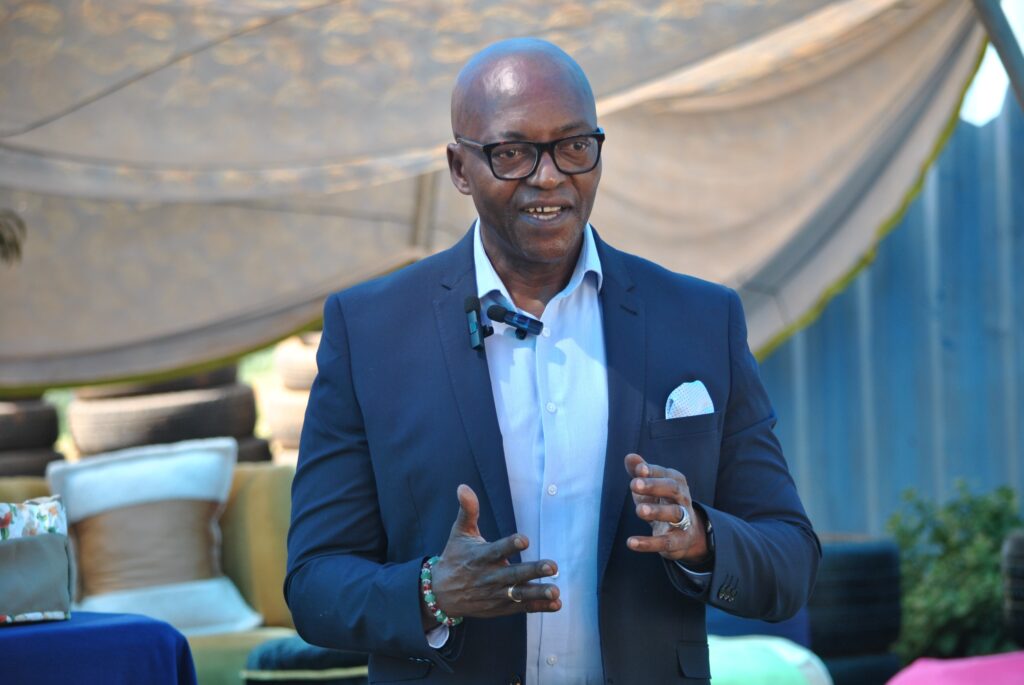
She expressed gratitude to the leadership of Luyengweni for supporting the initiative from inception, noting that the programme was developed in collaboration with Business Eswatini to equip women with practical business skills.
“This programme is about teaching women how to sew and equipping them so they can take these learnings into business. It is an environmental response initiative that turns textile waste into products that can be sold for real money to support families,” she added.
Hou also highlighted the inclusive nature of the programme, noting that it welcomed participants across gender lines, including one male beneficiary, reflecting its broader developmental intent.
Beneficiaries also expressed appreciation for the opportunity, describing the programme as life-changing. Thembi Mamba said the training had opened new possibilities for both older women and youth in the community.
“We are grateful to the chief for making sure that we benefit from the Vukani BoMake project. The learnings from here will really help us a lot. It was not just for older women but also the youth, who took it with keen interest,” she said.



Another beneficiary, Sithembile Zwane, described the initiative as a gesture of empowerment aligned with broader global development goals.
“This has been a huge gift of love to us as people of Luyengweni, echoing His Majesty King Mswati III’s message of agape love,” she said.
She added that the programme aligns with the United Nations Sustainable Development Goals, particularly those focused on ending poverty, achieving zero hunger, and promoting environmental sustainability.
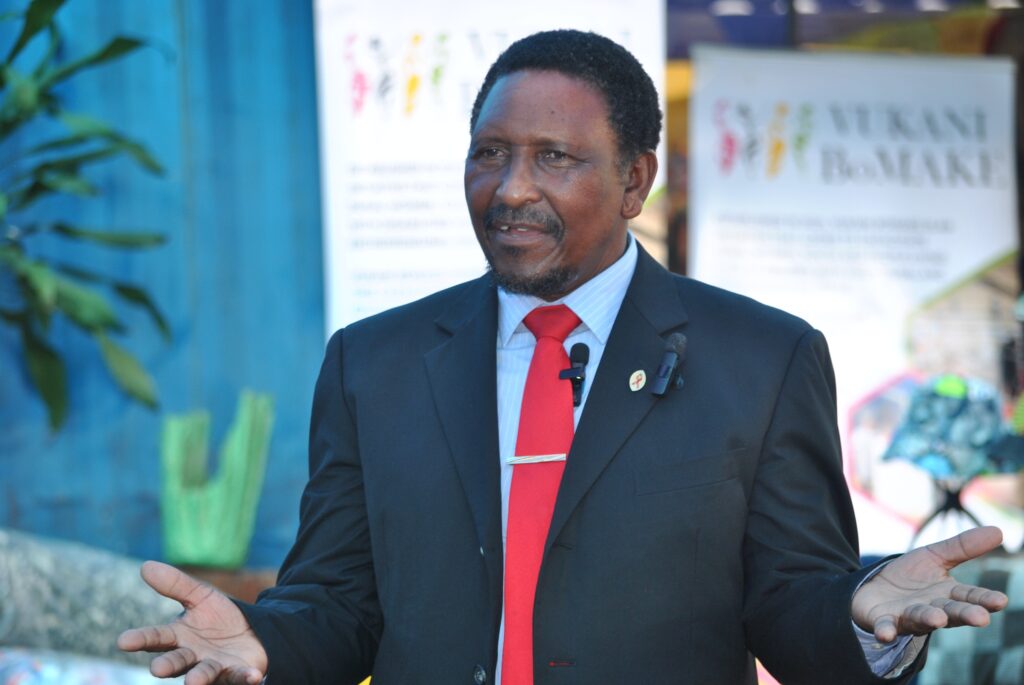
Business Eswatini Chief Executive Officer, E. Nathi Dlamini, said the programme responds directly to the economic realities facing households by enabling participants to generate sustainable income.
“My remarks here today will be based on the Lord’s Prayer. It speaks about giving us our daily bread, meaning the need to make a living to survive and meet the daily needs of our families,” he said.
He added that the initiative equips beneficiaries with practical skills that can immediately translate into economic activity and household support.
Luyengweni Chief Lembelele expressed appreciation for the initiative and called on beneficiaries to fully utilise the skills acquired. He pledged continued oversight to ensure the project delivers lasting impact and does not become a “white elephant,” emphasizing the importance of sustainability and accountability in community development projects.
The chief further committed to working closely with stakeholders to ensure the initiative continues to benefit families and contributes meaningfully to local economic development.
Looking ahead, stakeholders are now preparing for the establishment of the Luyengweni Cottage Factory, which is expected to provide a structured platform for graduates to scale their production and transition into sustainable micro-enterprises.
The facility is anticipated to strengthen local value addition, create employment opportunities, and further advance the objectives of the Vukani BoMake programme within the community.