
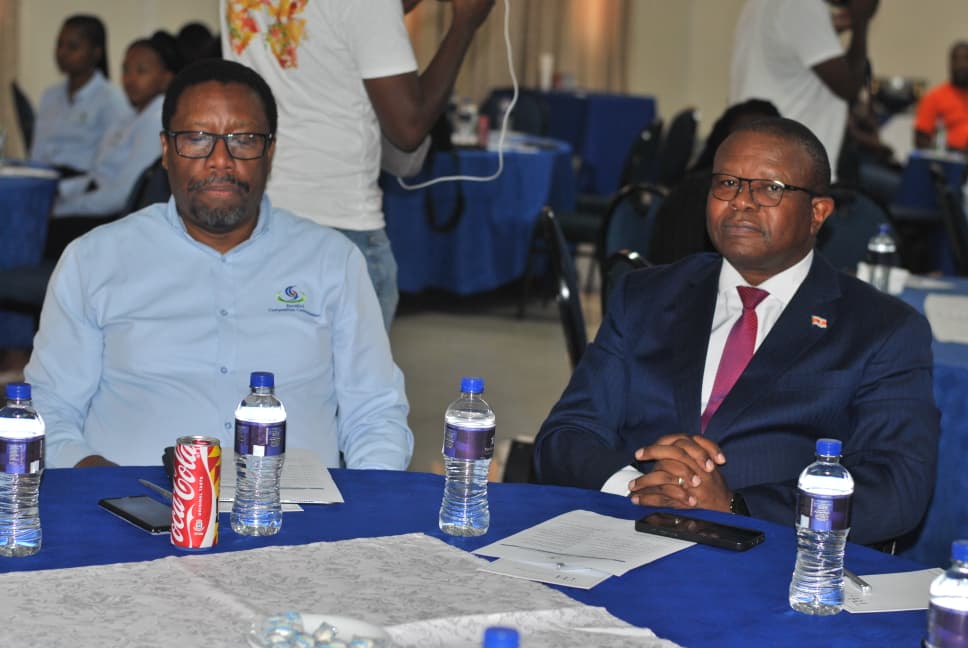
The Eswatini Competition Commission (ESCC) has officially bid farewell to its outgoing Chief Executive Officer, Muzi Dlamini, marking the end of a transformative six-year tenure that has reshaped the institution’s role within the country’s business and regulatory landscape.
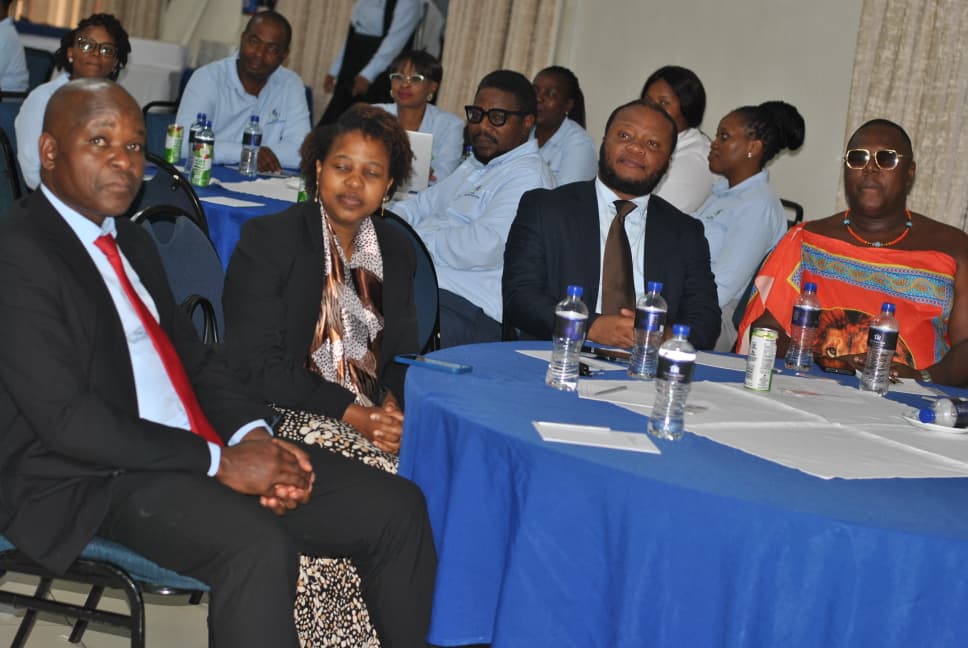
The farewell event, attended by senior government officials, board members, and staff, was not only a moment of reflection but also a celebration of a leadership era widely credited with repositioning the Commission from a perceived bureaucratic bottleneck into a more responsive and business-conscious regulator.
Speaking at the event, ESCC Board Chair – Micah Nkabinde – described the transition as a defining moment in the Commission’s institutional journey, noting that seamless leadership changes are a critical indicator of organisational maturity.
“In the life of any high-performance organisation, periods of transition serve as a litmus test for governance systems, organisational culture and strategic continuity,” he said, adding that the professionalism demonstrated during the handover reflects a Commission built on strong institutional foundations.
Nkabinde paid tribute to Dlamini’s leadership, highlighting his role in strengthening governance structures, enhancing credibility, and aligning the Commission with international best practices. He further commended the outgoing CEO for ensuring a smooth and deliberate transition, preserving institutional memory while enabling renewal.
Throughout his tenure, Dlamini led a deliberate shift towards visibility, transparency and stakeholder engagement, an approach he said was informed by early realisations that the Commission’s mandate was not widely understood.
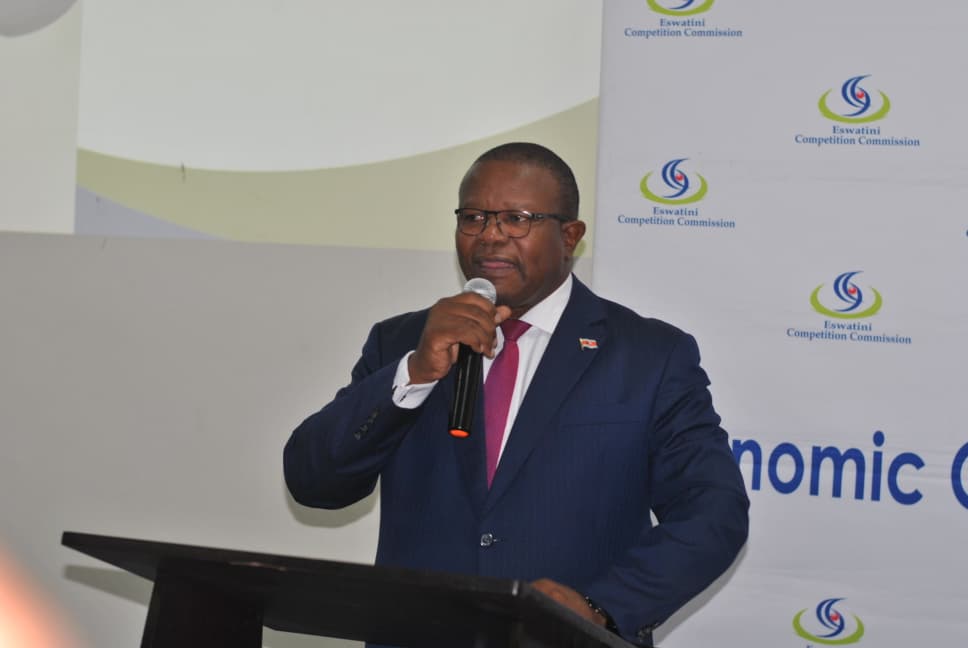
“At the time, I realised that the Commission needed to become more visible,” Dlamini reflected. “That became the starting point of the transformation we worked so hard to achieve.”
Under his leadership, the Commission improved its turnaround times on merger approvals, resolved long-standing cases, and rebuilt trust with the business community. Once viewed as an obstacle to enterprise growth, the institution is now increasingly seen as a practical and responsive regulator.
Minister of Commerce, Industry and Trade Manqoba Khumalo, acknowledged that prior to the reforms, industry players had raised concerns about inefficiency, poor customer service and a lack of business understanding within the Commission.
“There was a perception that the institution did not understand business and that processes lacked efficiency,” Khumalo said. “But what we have seen over time is a complete repositioning of the Commission into an organisation that listens to stakeholders and enables business.”
He credited both the Board and Dlamini’s leadership for driving a cultural and operational shift that restored confidence among key stakeholders, while also improving internal cohesion within the organisation.
In his farewell address, Dlamini offered a reflective perspective on leadership, emphasising the importance of understanding the phase of an organisation and aligning one’s contribution accordingly.
“I understood the brief,” he said. “The task was to move the Commission from business as usual to business unusual, to build an agile, visible and impactful institution. And I believe we gave it our best.”
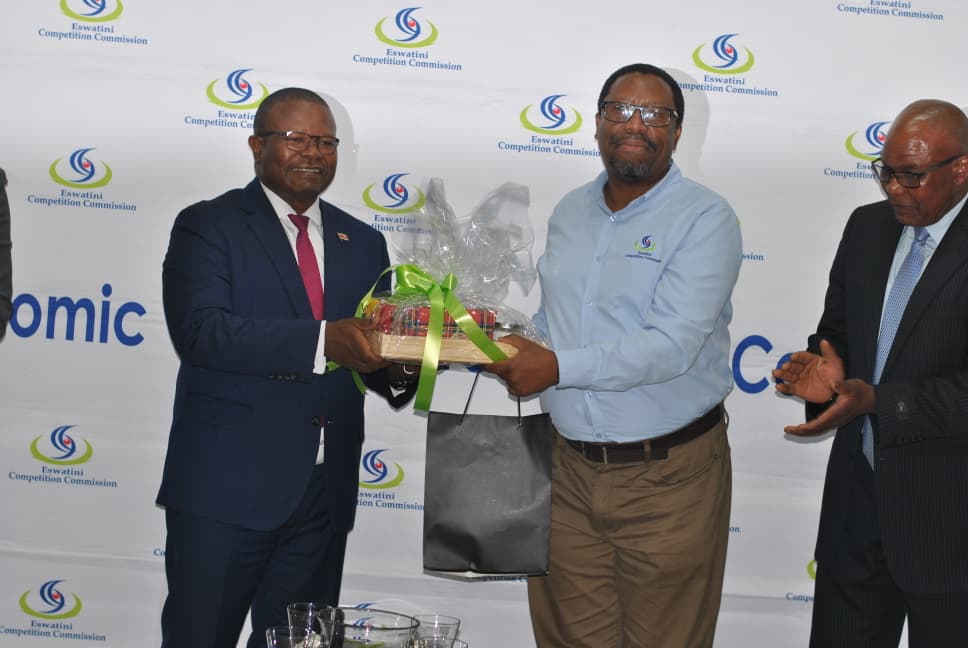
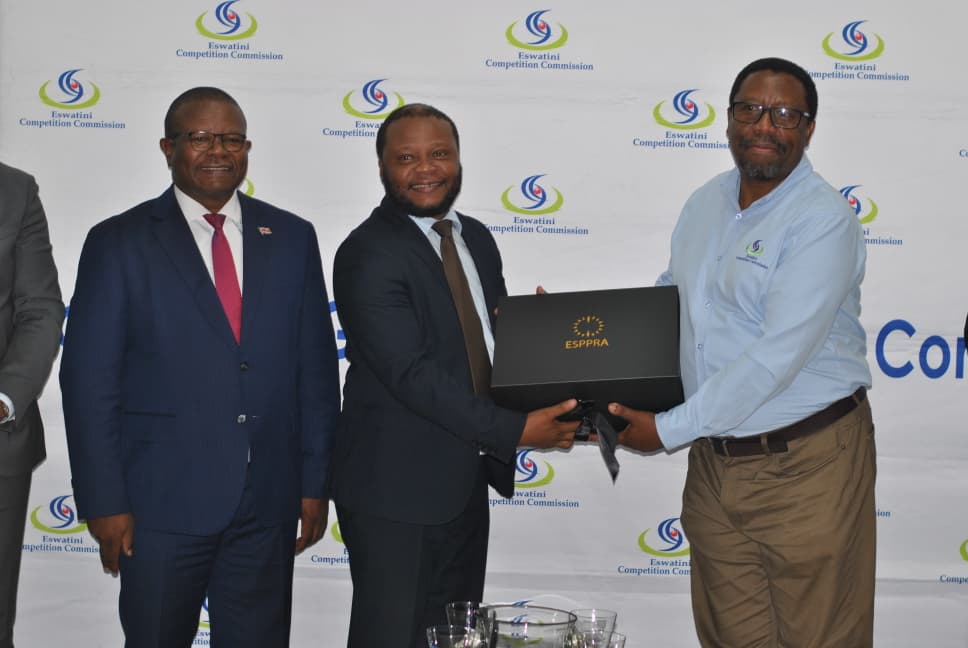
He noted that his decision to step down was guided by a clear sense that the organisation is entering a new phase requiring a different leadership approach. “When you have that kind of clarity, nobody has to tell you when it is time to step aside. You just know,” he said.
Dlamini also underscored a broader principle of public service, that leadership roles are temporary and must be exercised with accountability to the people.
“The work we do is not ours; it belongs to the people who entrust us with it for a season,” he said.
The Commission also used the occasion to welcome its incoming CEO, Siboniselizulu Maseko, whose appointment marks the beginning of a new chapter for the institution. The Board expressed confidence that the incoming leadership will build on the solid foundation established over the past six years.
As the Commission transitions into its next phase, stakeholders have expressed optimism that the gains made under Dlamini’s leadership, particularly in efficiency, transparency and stakeholder engagement, will be sustained and further strengthened.