
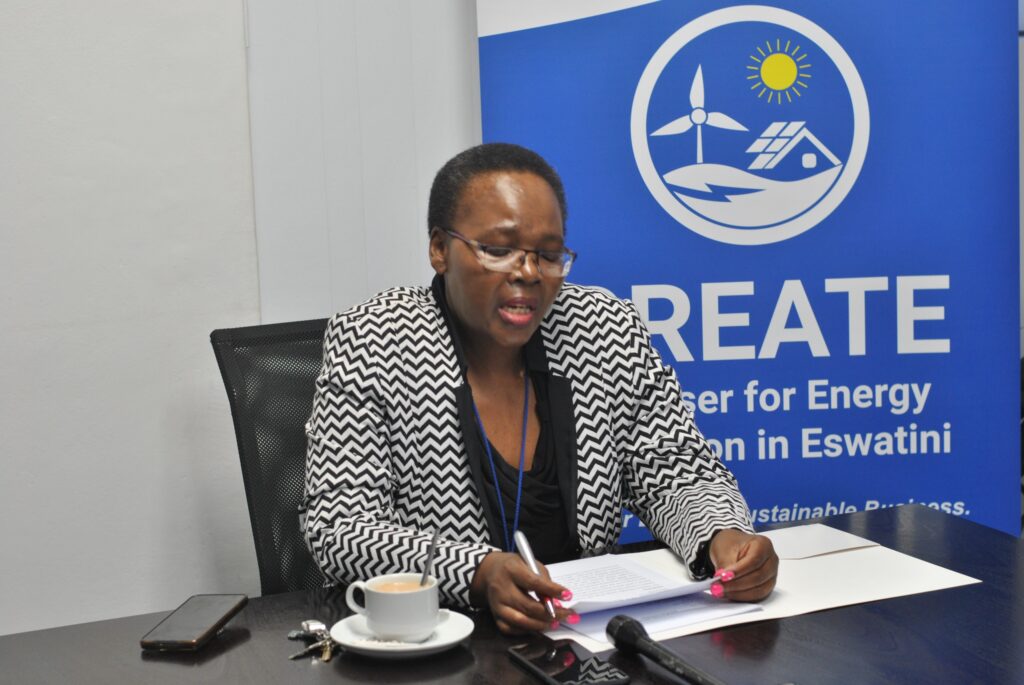
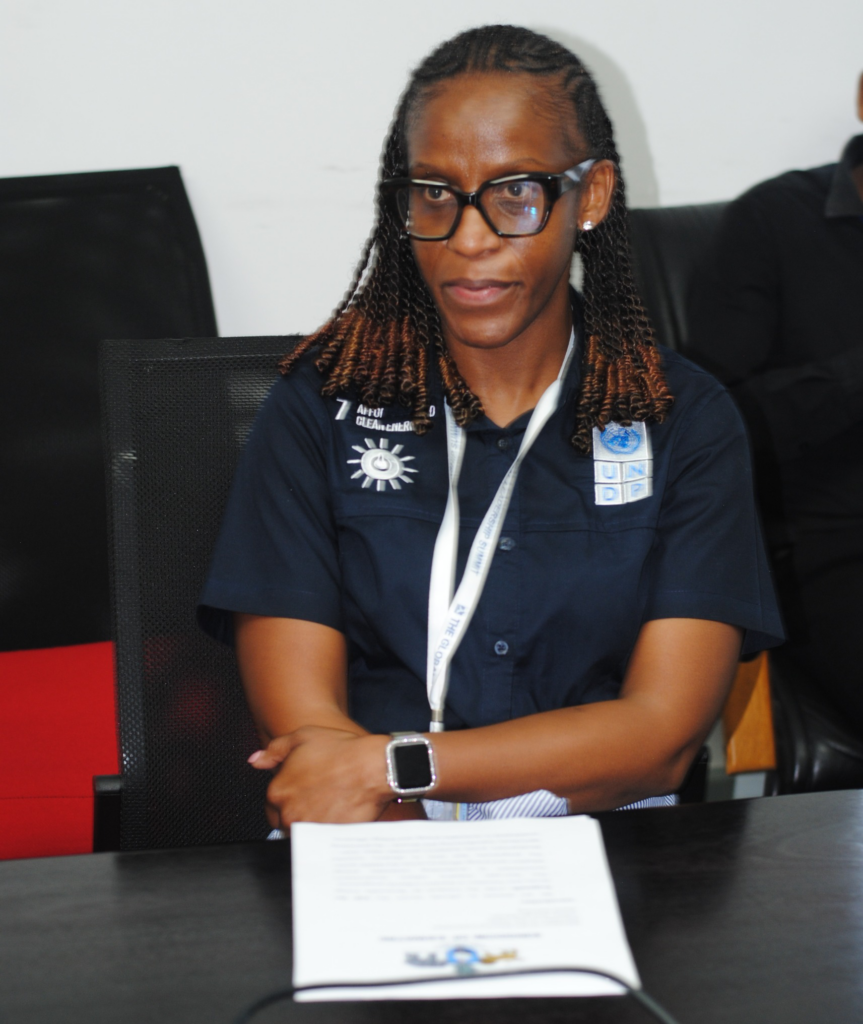
The Ministry of Natural Resources and Energy has officially launched the Catalyser for Renewable Energy Access and Transition in Eswatini (CREATE) programme, calling on Micro, Small, and Medium Enterprises (MSMEs) to submit proposals to participate in this flagship initiative aimed at transforming the country’s energy landscape.
Speaking at a press conference held at the UN House in Mbabane, Ministry of Natural Resources and Energy Under Secretary (US) Gabsile Mabuza, who is also the Chairperson of the CREATE Steering Committee, said the programme reflects government’s commitment to accelerating renewable energy adoption and enhancing energy efficiency across the MSME sector.
“We are pleased to officially launch the CREATE programme, which is designed to empower our local businesses and support Eswatini’s transition to clean, reliable, and cost-effective energy solutions,” said Mabuza.
“MSMEs are the backbone of our economy, and their sustainability is critical to national development. Rising energy costs continue to affect business competitiveness and CREATE is designed to address this challenge by providing technical support and facilitating access to finance.”
The CREATE programme is a four-year initiative running from 2025 to 2028, aimed at advancing inclusive economic development across Eswatini’s electricity-dependent value chains, including agriculture, manufacturing, and services.
The programme hopes to receive 1,000 applications from viable, bankable MSMEs across these sectors. From these, government expects 320 business plans to be developed and 250 MSMEs to access blended finance from local financial institutions. CREATE also aims to mobilize approximately EUR 5 million (about E100 million) in debt and equity financing for renewable energy and energy efficiency projects.
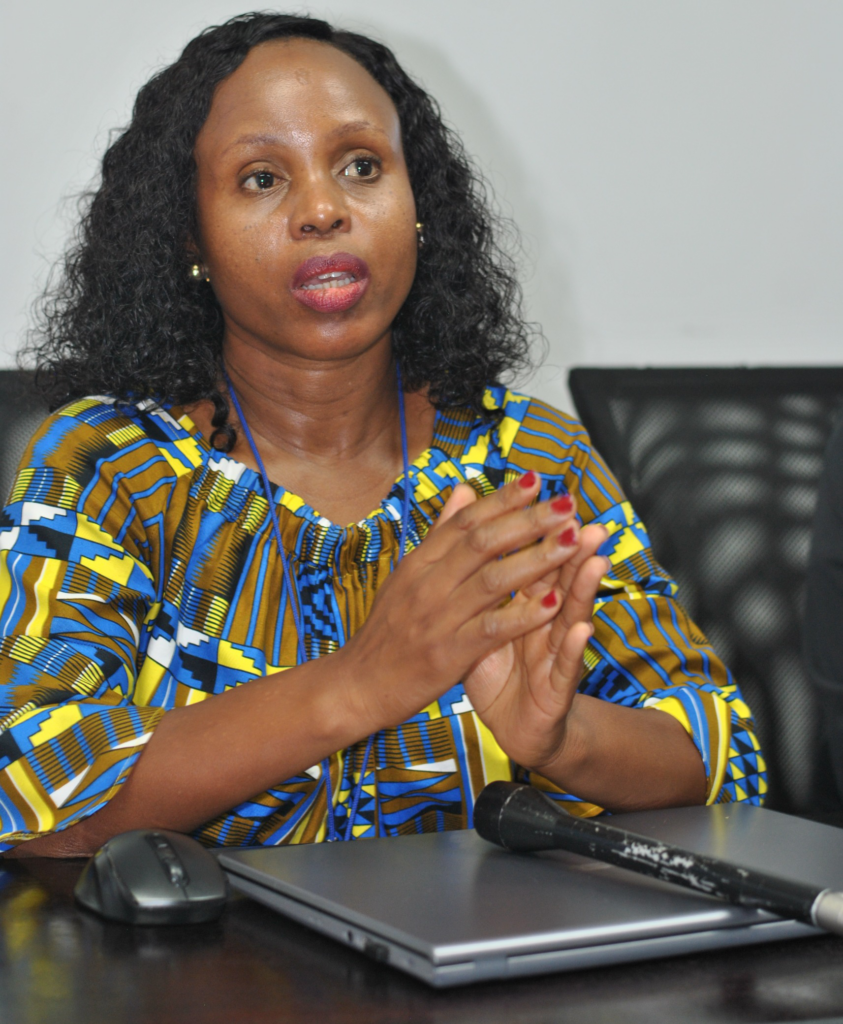
“Through this programme, we are demonstrating the scale and seriousness of our commitment to enabling private sector participation in Eswatini’s energy transition,” Ms. Mabuza said.
Nature of Support for MSMEs
It is important to note that CREATE does not provide direct funding to participants. Instead, the programme offers technical support to strengthen project viability, develop bankable proposals, and create a conducive environment for renewable energy investments.
“CREATE is about building sustainable, finance-ready businesses,” Mabuza explained. “We want to ensure that MSMEs are equipped with the tools and guidance needed to successfully engage with financial institutions and secure the financing necessary to implement renewable energy solutions in their operations.”
The chairperson also highlighted that this support will not only help MSMEs adopt renewable energy but also improve their overall competitiveness and sustainability.
“By strengthening the capacity of our MSMEs, we are creating a foundation for long-term economic growth while contributing to Eswatini’s energy transition,” she said.
Eligible MSMEs can access detailed application information on the UNDP portal: https://go.undp.org/S63. The call for proposals will also be disseminated through various media channels to ensure widespread participation.
Proposals should be submitted via email to registry.sz@undp.org, with a submission deadline of May 30, 2026.
Partnerships and Implementation
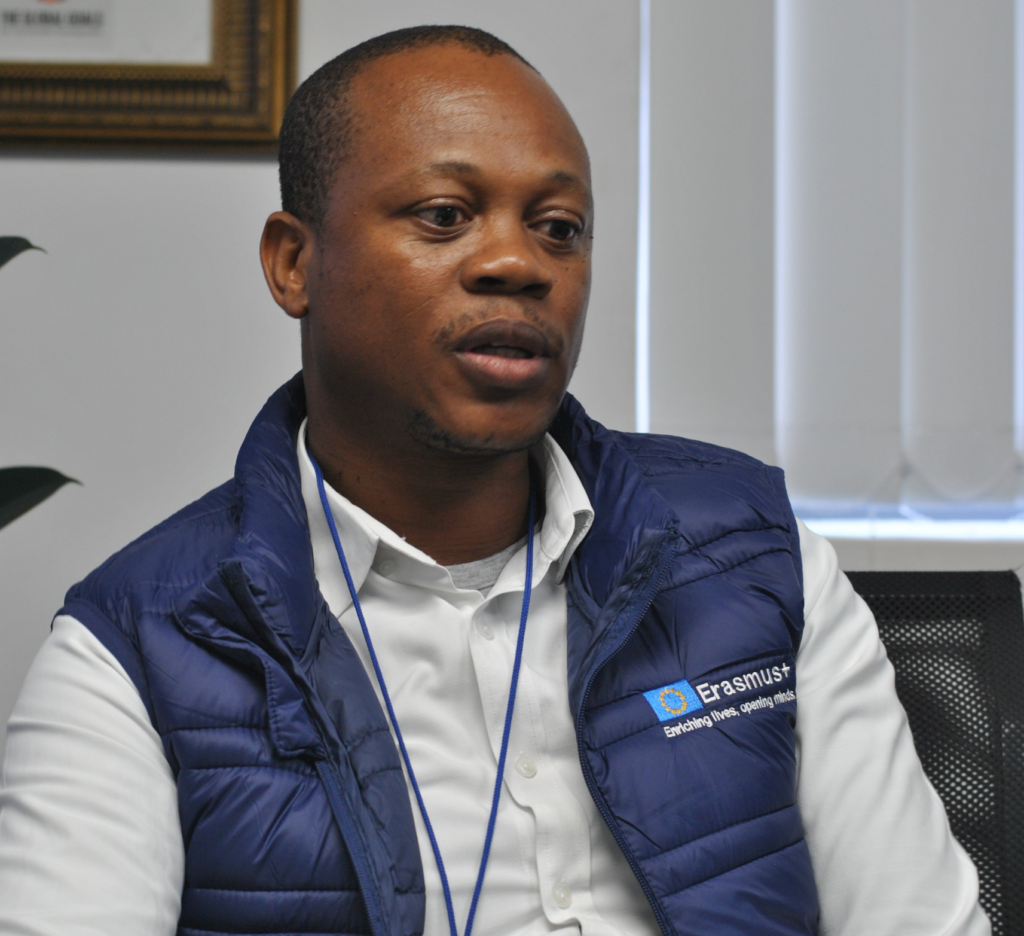
The CREATE programme is funded by the European Union Delegation to Eswatini through the Ministry of Economic Planning and Development. It is implemented by the Ministry of Natural Resources and Energy in partnership with the United Nations Development Programme (UNDP) and Catalyze Eswatini.
“These partnerships are critical for the successful implementation of CREATE and will ensure that MSMEs receive the full support needed to develop finance-ready renewable energy projects,” Mabuza said.
By launching CREATE, the government aims to address the dual challenge of high energy costs and limited access to sustainable energy solutions among MSMEs. Through targeted support and structured engagement with financial institutions, the programme seeks to empower businesses, promote investment in renewable energy, and foster a more sustainable and competitive private sector in Eswatini.
“CREATE is more than a programme; it is a pathway to a cleaner, more efficient, and economically robust future for our country,” she concluded.