
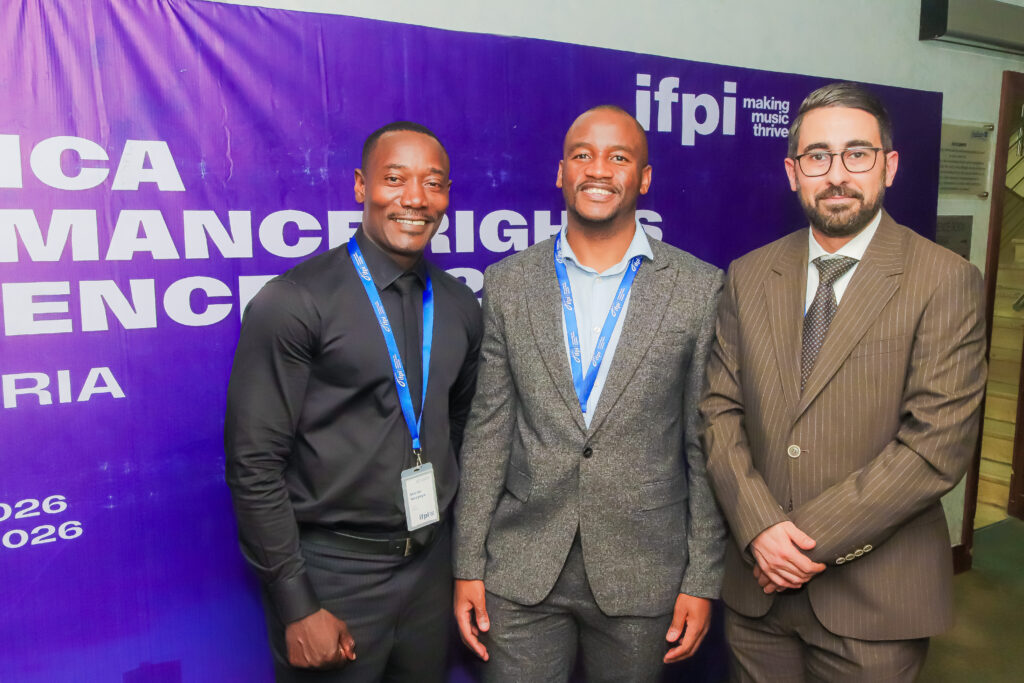
Mmeli Hlanze, the Managing Director of the Eswatini Copyright and Neighbouring Rights Society (ESWACOS), was among key African industry leaders at the IFPI Africa Performance Rights Conference (PRC) 2026. Held in Lagos, the conference hosted critical conversations shaping the future of the continent’s recorded music sector.
The high-level event, organised by the International Federation of the Phonographic Industry (IFPI), brought together record label executives, collective management organisations (CMOs), music licensing companies, and policymakers from across Africa. The goal was to address persistent industry challenges while unlocking new growth opportunities. Hlanze’s presence reflects Eswatini’s growing participation in continental platforms aimed at strengthening the creative economy.
The meeting was officially opened by Hannatu Musawa, Nigeria’s Minister of Art, Culture, Tourism and the Creative Economy, who highlighted Africa’s rising influence in the global music landscape. She pointed to strong revenue growth across Sub-Saharan Africa and the increasing global reach of African music as clear indicators of a sector on the rise.


Held under the theme ‘Addressing Challenges and Leveraging Opportunities to Drive the Sustainable Growth of Recorded Music in Africa’, the conference built on deliberations from the 2025 edition in Cape Town. Discussions focused on strengthening performance rights licensing, improving royalty collections, and enhancing the effectiveness of collective management systems.
Throughout the two-day engagement, Hlanze joined fellow delegates in panel discussions examining key barriers to growth. Central to these talks was the need for stronger intellectual property frameworks, improved enforcement against piracy, and the modernisation of licensing systems to align with global standards.
Industry experts, including Lauri Rechardt, emphasised the critical role played by CMOs in the value chain, particularly in licensing music users and ensuring fair distribution of royalties. These insights are especially relevant for ESWACOS as it continues to refine its operations and service delivery for rights holders in Eswatini.
The conference also addressed the challenge of piracy. Delegates highlighted the importance of coordinated efforts between governments and regulators to combat illegal distribution, including the implementation of site-blocking measures. Emerging trends, such as the rise of artificial intelligence in music, were also on the agenda. Participants noted that while AI presents opportunities for innovation, there is an urgent need for policies to ensure creators are fairly compensated for the use of copyrighted works.
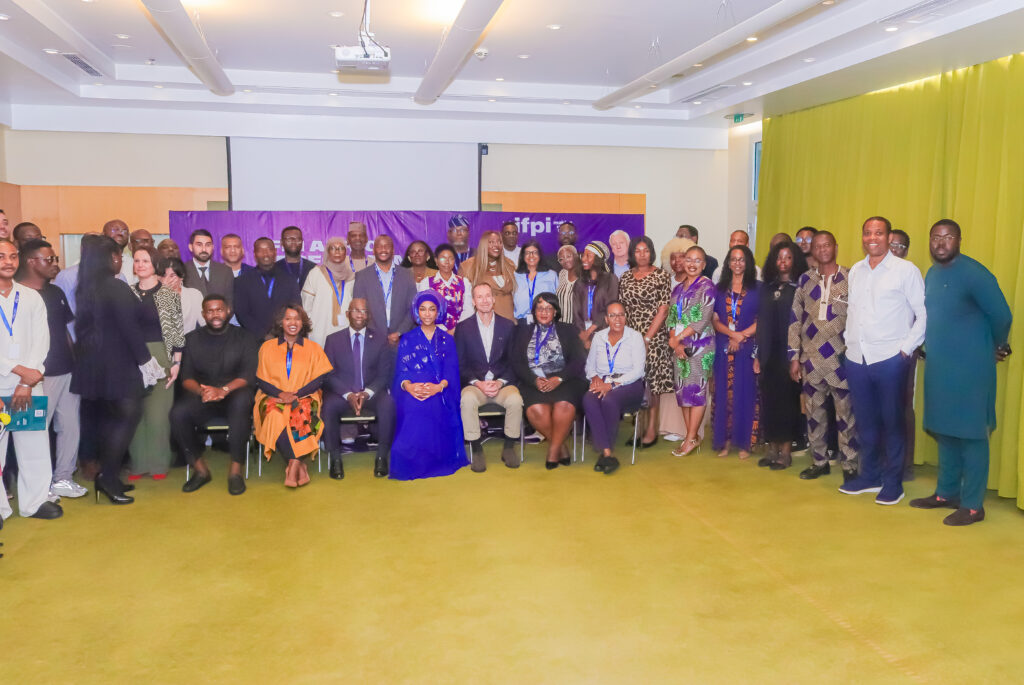
For Hlanze, the conference provided valuable exposure to international best practices. The engagement offered a platform to observe how other markets address common challenges and to identify strategies that could be adapted to the Eswatini context.
The event concluded with participating organisations committing to a series of resolutions. These include reviewing broadcast licence agreements, expanding public performance markets, and developing long-term strategic approaches aligned with IFPI guidelines.
Hlanze’s participation at PRC 2026 highlights ESWACOS’ commitment to staying abreast of global developments. Such platforms enable the organisation to continue positioning itself to better support emaSwati artists in an increasingly competitive and digital global marketplace.