
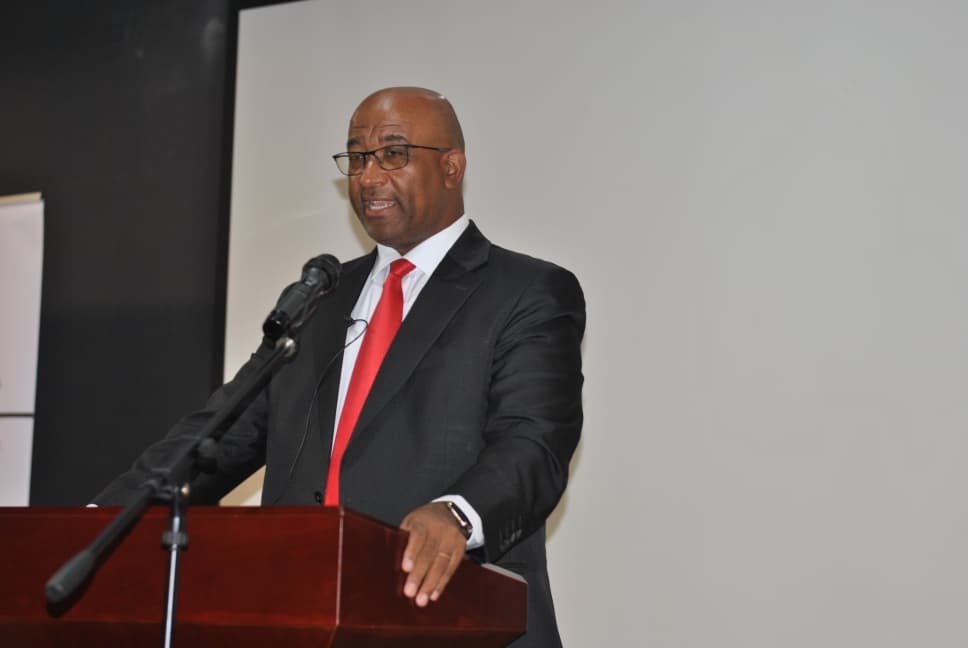
At the corporate governance breakfast session convened by the Regional Excellence and Development Initiative (REDI), Boards of directors were urged to take decisive and timely action against underperforming chief executives, with a strong warning that retaining weak leadership can severely undermine organisational performance.
This message was delivered on behalf of Dr Absalom Themba Dlamini by Dr Phil Mnisi. Addressing business leaders and board members, Dr Mnisi stressed that while boards often grapple with dominant executives, the greater risk lies in tolerating weak CEOs who fail to provide leadership and direction.
“To the point where the CEO is weak, consequently the organisation will be weak,” he said. “That’s when board members begin to step into operations, pushing the CEO because the leadership is not effective.”
He painted a picture of dysfunction that arises when leadership falters, citing scenarios where board meetings become unproductive due to lack of preparedness and delayed reporting from management.
“You come into the meeting, the meeting is not ready. It’s apologies, apologies. Board papers arrive late. The CEO cannot respond decisively,” he said.
Dr Mnisi emphasised that in such instances, boards must act without hesitation.
“In the private sector, it is generally easier because you just humbly request the CEO to step aside,” he said. “But in all cases, the board must express itself unequivocally. Do not sit with a weak CEO, because the consequences are dire.”
He cautioned, however, that such decisions must be grounded in objectivity rather than personal bias. CEOs, he noted, should be given clear feedback, adequate time to improve, and formal performance appraisals before any final decision is taken.


“The CEO must know the areas of development. There must be engagement between the chairman and the CEO, supported by proper evaluation structures such as the remuneration committee,” he explained.
Beyond weak leadership, the discussion also tackled the challenge of overly dominant CEOs, with Dr Mnisi advising boards to establish clear governance structures to maintain balance.
“The CEO is a technical person responsible for driving strategy, while the board provides oversight. The board should not allow dominance by the CEO,” he said.
He highlighted the role of a lead independent non-executive director as a critical mechanism for managing tensions, particularly where direct confrontation may be difficult.
“That independent board member can engage the CEO one-on-one, especially on sensitive matters, ensuring that feedback is delivered constructively,” he noted.
Dr Mnisi further underscored the importance of annual board assessments as a tool to surface concerns about leadership and overall governance.
“Board members must speak freely about how they feel within the organisation. Often, their views on the CEO will emerge clearly through these assessments,” he said.
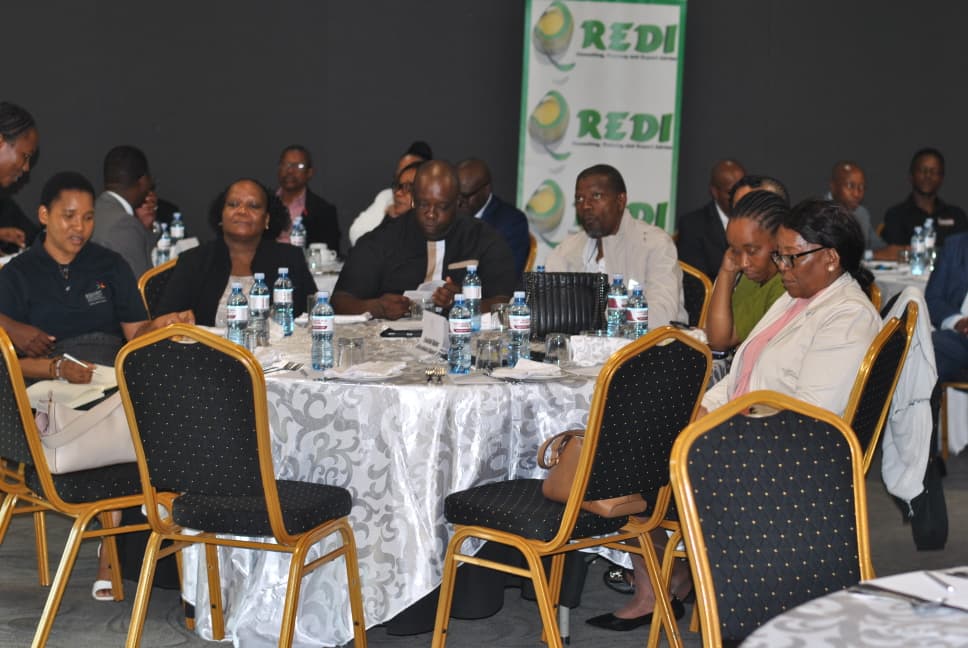
The engagement also explored the delicate balance between board oversight and operational interference, particularly in cases where board members possess strong technical expertise.
Dr Mnisi cautioned against board members overstepping their governance role, reminding participants that their primary responsibility is to support, not compete with management.
“We are not there to display how much we know. We are there to enable, to support, and to provide guidance,” he said. “Let the CEO shine and allow the organisation to succeed.”
Drawing from his own experience serving on multiple boards, he stressed the importance of humility and clarity of roles in ensuring effective governance.
“As board members, we must always reflect on why we are there. We are there to add value and to support execution, not to run the organisation,” he added.