

The cost of doing business in Eswatini is increasingly locking small and medium enterprises (MSMEs) out of lucrative export markets.
This was a concern was raised by the Minister of Commerce, Industry and Trade, Manqoba Khumalo, during the Eswatini Standards Seminar held at Royal Villas, Ezulwini, on 1 April 2025.
Addressing captains of industry, government officials, and representatives from private and public entities, Minister Khumalo highlighted that while quality standards are essential for sustainable business growth, the financial burden of compliance is proving prohibitive for many local enterprises.
“Standards and quality compliance act as a critical gatekeeper for exporting businesses,” Minister Khumalo said. “Non-compliance leads to product rejections, export delays, and even bans, ultimately threatening the survival of our MSMEs. Quality standards are not an option; they are compulsory, but the cost of compliance must be manageable.”
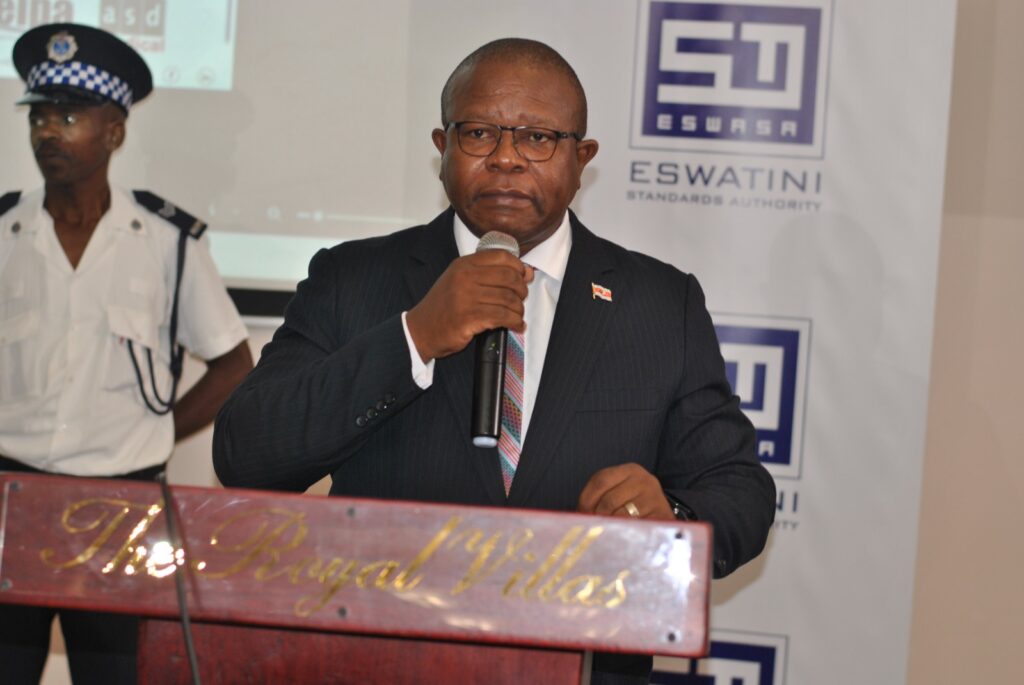
The Minister emphasized that Eswatini ranks low on the continent in terms of ease of starting a business. Entrepreneurs face high fees and multiple compliance requirements from regulatory bodies, including the Construction Industry Council, the Eswatini Environmental Authority, the Energy Regulator, and city councils.
“Compared to most countries, it’s very difficult and very expensive to start a business in Eswatini. The cost is prohibitive,” he said.
While acknowledging the necessity of these regulatory bodies, Minister Khumalo warned that excessive financial burdens hinder entrepreneurship and economic growth.
“The more the burden goes to the ordinary citizen and the small business owner, the less successful they are going to be,” he said. “Our goal is not to increase the cost of starting a business but to ensure compliance while reducing financial barriers.”

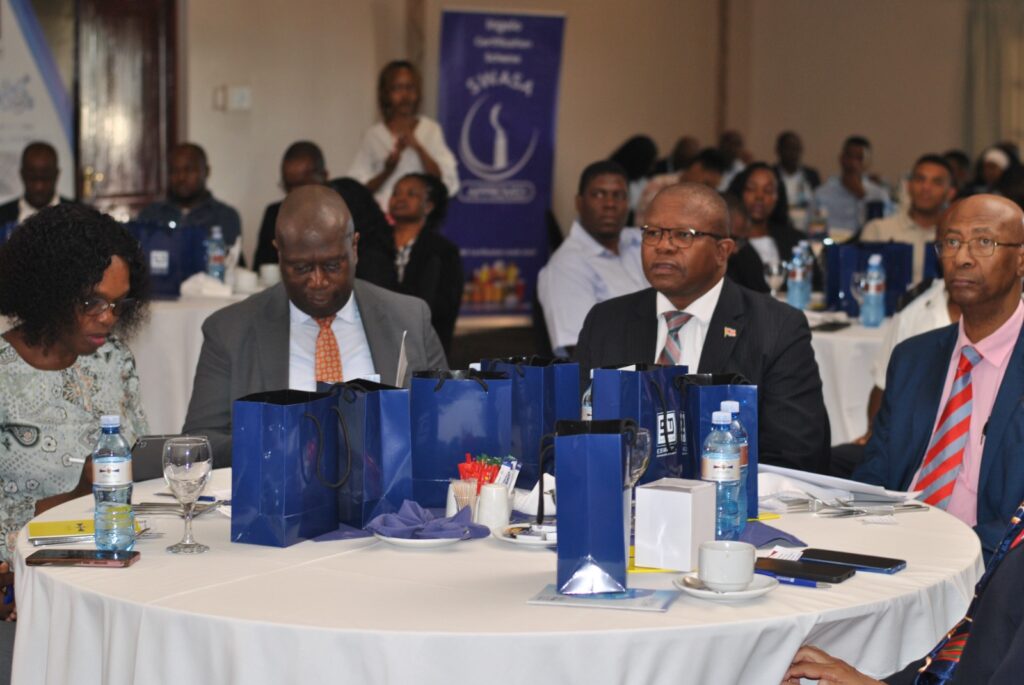
The seminar, themed “Unlocking Export Markets for Local Businesses through Standards and Quality Compliance,” also highlighted Eswatini’s ambition to expand its industrial and export potential. Minister Khumalo stressed the need to leverage regional and international trade agreements such as the African Continental Free Trade Area (AfCFTA), COMESA and AGOA. He urged MSMEs to adopt value addition strategies in sectors like agro-processing, textiles, and wood products to enhance competitiveness in these markets.
“Exporting is not just about revenue; it is about generating sustainable jobs and curbing poverty,” he said. “Our MSMEs must be able to access these markets to drive inclusive economic growth. But we must ensure that compliance does not come at the cost of making business unaffordable.”
The Minister concluded with a challenge to government and stakeholders: to craft a system where compliance is mandatory but cost-efficient. Using a simple analogy, he said, “If producing a bottle of water currently costs you E1, compliance should not make it cost E2. We must drive the cost of compliance down while maintaining standards.”