
By Musa Ndlangamandla
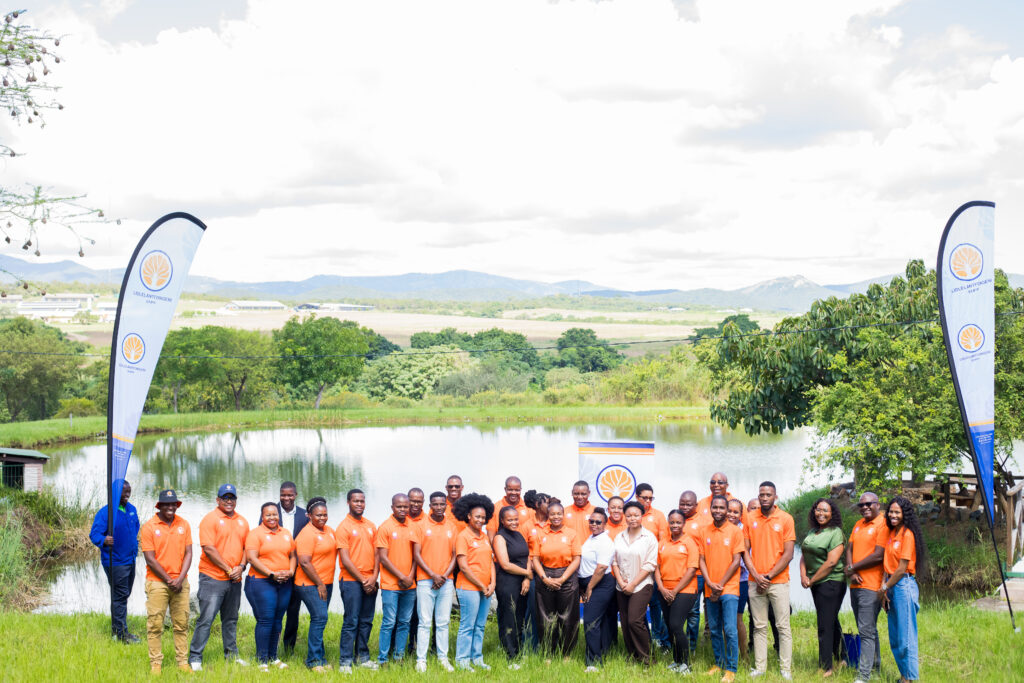
Six months ago, they walked through the doors of Lidlelantfongeni as uncertain graduates, clutching degrees but searching for direction. On Tuesday, 31 March 2026, at a farewell ceremony held at Tum’s Water World in Sidvokodvo, they left as young professionals ready for the world of work or entrepreneurship.
Their transformation is one of the clearest signs yet that the Eswatini Youth Empowerment Programme (EYEP) is making a real impact.
At a time when youth unemployment in Eswatini remains unacceptably high and many graduates struggle to find work because they lack experience, programmes such as EYEP are increasingly being viewed as a vital national intervention.
According to the 2023 Eswatini Integrated Labour Force Survey, youth aged 15-35 face a 56 per cent unemployment rate, significantly above the national average of 35.4 per cent. In addition, Afrobarometer findings underscore the gravity: unemployment tops the list of concerns for youth (15-35), with 50 per cent actively job seeking.
Since its rollout in 2023, by the UNDP in collaboration with Government, EYEP has placed hundreds of graduates in public and private institutions, giving them practical exposure, mentorship and employable skills. Funded by the Ministry of Economic Planning and Development, EYEP aims to reduce youth unemployment by 50 per cent by 2030, in line with the National Development Plan and Government’s broader focus on job creation, youth empowerment and stronger partnerships with the private sector.
For the 2025/26 cohort, whose internship at Lidlelantfongeni ran from 01 October 2025 to 31 March 2026, the experience was far from symbolic.
Interns were integrated into the daily operations of an institution responsible for safeguarding the savings and pensions of emaSwati.
Tandzile Mavimbela, who was attached to the IT Department, said the internship shattered her expectations.
“Walking into Lidlelantfongeni, I expected a traditional office, but I found a digital powerhouse. Being part of the MyENPF development team taught me that the work we do has a direct impact on people’s lives. I was trusted with real responsibilities and treated like a member of the team.”

That sense of trust and responsibility was central to the farewell message delivered by ENPF CEO Futhi Tembe.
“Today, we mark the conclusion of an important chapter for the young professionals attached to Lidlelantfongeni through EYEP. This is not only a milestone for you, but also a reminder of what it means to prepare the next generation for the workplace and entrepreneurship.”
Tembe said the interns had been exposed to real systems, expectations and accountability across departments, including finance, ICT, customer service and property management.
“You were given real tasks, real accountability and the opportunity to contribute. In doing so, you proved your capability and professionalism.”
She said ENPF’s mandate of protecting the long-term financial security of emaSwati also depends on the quality and readiness of the next generation entering the workplace and entrepreneurship.
“By hosting you, we are contributing towards bridging the gap between academic knowledge and practical workplace and entrepreneurship experience. What impressed us most was your willingness to learn and your ability to adapt.”
Tembe also thanked Government and development partners, particularly UNDP, for supporting a programme that demonstrates that youth unemployment can be addressed through collaboration.
In a separate interview, Business Eswatini CEO E. Nathi Dlamini said the success of EYEP proves that young people do not lack talent, but opportunity.
“The interns we have seen through EYEP are not simply learning; they are contributing, innovating and preparing themselves to become the next generation of professionals and entrepreneurs. Programmes such as EYEP are not charity; they are an investment in the future competitiveness of Eswatini.”
The human impact of the programme was perhaps most visible in the reflections of parents. Nomcebo Dlamini, whose daughter was part of the programme, said she had watched her child return home more confident and more hopeful.
“When she first started, she was nervous and unsure of herself. Today she speaks with confidence and carries herself like a professional. Lidlelantfongeni has not only trained her; it has built her.”
As the ceremony came to an end, Tembe reminded the graduates that their journey was only beginning.
“As you move forward, remember that your connection to Lidlelantfongeni extends beyond these months. We look forward to seeing you grow, take on greater responsibilities and contribute positively to the development of our country.”
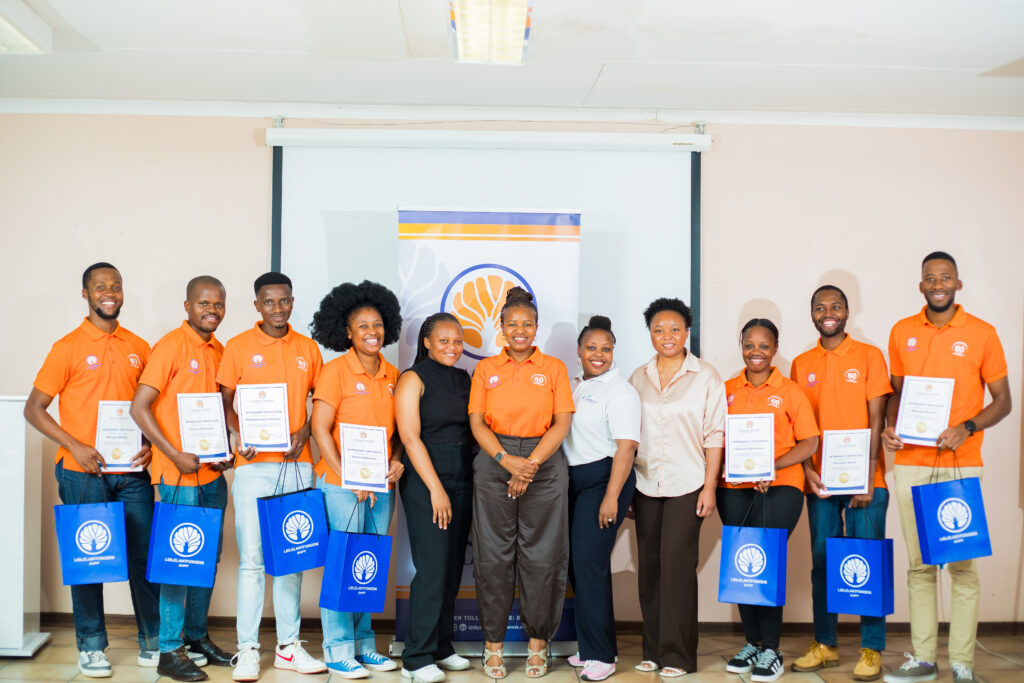
As the interns walked away with their certificates, it was clear they were leaving with far more than a line on their CVs. They were leaving with experience, confidence and the belief that they have a place in Eswatini’s future.
For Lidlelantfongeni, the significance of the programme extends beyond a single cohort. The Fund celebrated its Golden Jubilee in 2024, marking 50 years as one of Eswatini’s most important social protection institutions. Yet, through EYEP, Lidlelantfongeni is showing that its role is not only to protect the savings of today’s economically active emaSwati, but also to invest in the workers, entrepreneurs, innovators and leaders of tomorrow.
In a country where many young people have become discouraged by the lack of opportunities, the farewell ceremony offered something increasingly rare. That is, tangible proof that, when Government, business and institutions work together, young emaSwati can move from uncertainty to purpose.
Who was placed where inside the ENPF internship?
The 2025/26 EYEP internship at ENPF ran from 01 October 2025 to 31 March 2026 and marked the second time that Lidlelantfongeni had participated in the programme.
ENPF Human Resources Manager Muzi Mngomezulu, says the Fund hosted eight interns across key departments, ensuring they received direct workplace exposure and mentorship.
The placements were:
* Colani Matsenjwa – IT Support
* Tandzile Mavimbela – IT Development
* Melizwe Mkhize – Property and Maintenance (Plumbing)
* Mqondi Dlamini – Procurement
* Celiwe Mabundza – Human Resources
* Khanyakwezwe Dlamini – Customer Service
* Sinenkosi Msomi – Customer Service
* Nkhanyiso Mabuza – Customer Service
Mngomezulu said the programme is designed to tackle one of the biggest barriers facing graduates, which is the lack of practical experience.
“Too many young people leave university or college with qualifications, but without the experience employers are looking for. EYEP helps close that gap while building a more confident and employable generation.”
He said Lidlelantfongeni views participation in the programme as part of its broader responsibility to invest in the country’s human capital.