
The Smallholder Agricultural Productivity Enhancement and Marketing Project (SAPEMP) is set to build on the foundations laid by previous national programmes such as the Smallholder Market-Led Project (SMLP) and the Financial Inclusion Programme (FINCLUDE), marking a new phase in Eswatini’s long-term strategy to transform smallholder agriculture.
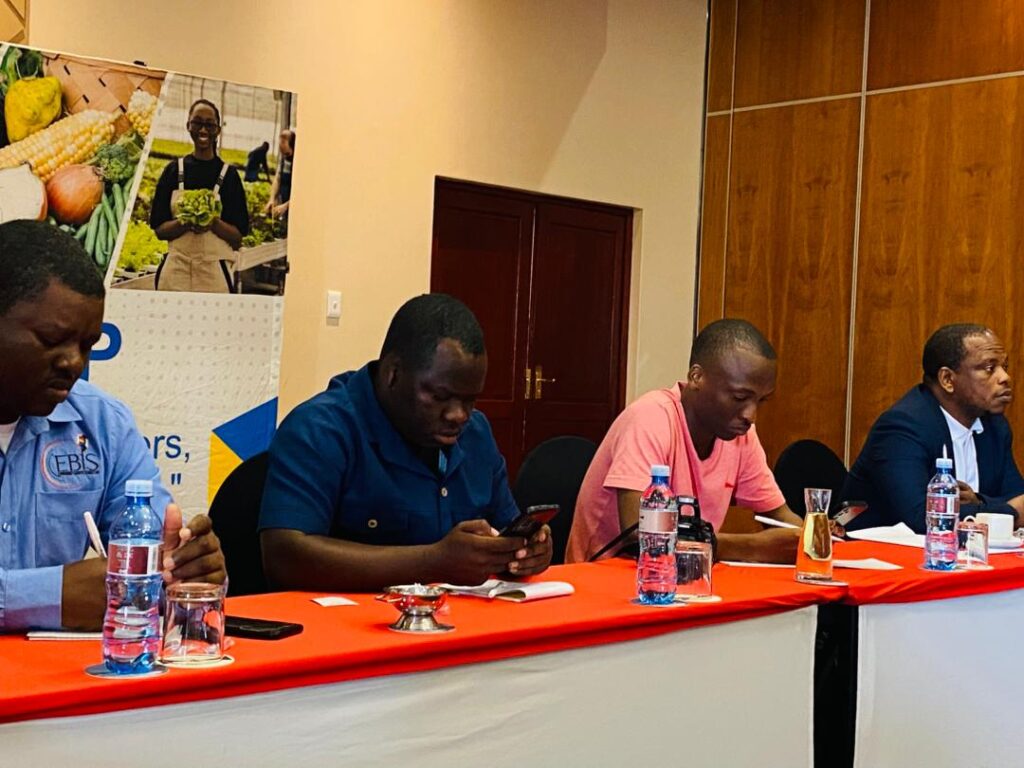
This emerged during a media sensitisation and strategic engagement session held at Royal Villas in Ezulwini, where the project implementers outlined SAPEMP’s progress and strategic direction. The session brought together traditional and online media practitioners to deepen understanding of the project’s objectives, implementation framework, and expected impact.
At the centre of the discussions was the positioning of SAPEMP not as a standalone intervention, but as a continuation and expansion of earlier efforts aimed at strengthening rural livelihoods. Officials highlighted that lessons learned from both SMLP and FINCLUDE have been deliberately integrated into SAPEMP’s design, ensuring that the new initiative builds on proven approaches while addressing existing gaps.
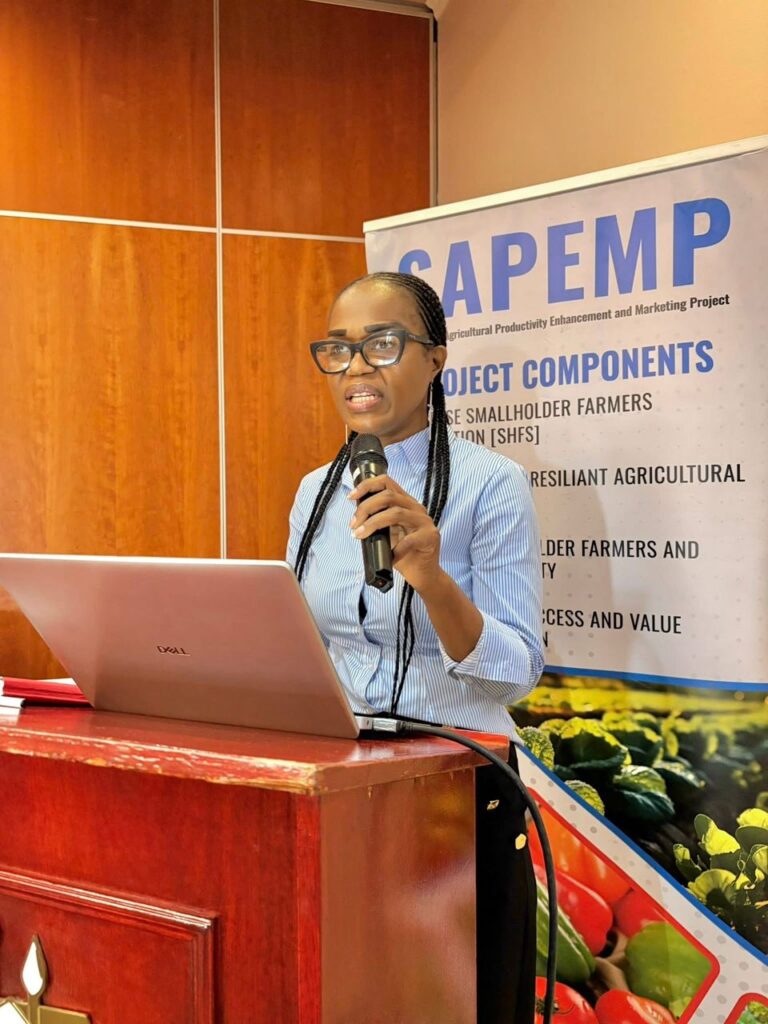
Speaking during the session, SAPEMP Monitoring and Evaluation Specialist, Tengetile Dlamini, emphasised that SAPEMP adopts a more holistic and integrated approach, combining productivity enhancement, market access, and financial inclusion under one programme.
“We are taking forward what has worked before and strengthening it,” she said. “With SAPEMP, we are not only focusing on increasing production but also ensuring that farmers are linked to markets and have access to the necessary financial services to sustain their operations.”
The Smallholder Market-Led Project (SMLP) played a pivotal role in shifting smallholder agriculture towards a more commercial orientation, supporting farmers’ move beyond subsistence production and engage more actively with markets. Meanwhile, FINCLUDE contributed to expanding access to financial services, particularly for underserved rural communities, enabling greater participation in economic activity.
SAPEMP now brings these elements together into a single, integrated framework. The project extends beyond earlier interventions by combining market-led production with structured access to finance, while also introducing new components such as climate resilience and digital innovation.
Under SAPEMP, smallholder farmers are being organised into clusters of between 20 and 100 members to improve coordination, reduce costs, and enhance their bargaining power in the marketplace. This model is expected to streamline aggregation, facilitate access to buyers, and improve overall efficiency within the agricultural value chain.
The project also places strong emphasis on climate-smart agriculture, encouraging farmers to adopt practices that improve productivity while safeguarding the environment. Integrated natural resource management, irrigation infrastructure development, and resilience-building measures form key components of the programme.
In addition, SAPEMP is introducing a significant digitalisation drive aimed at modernising the way farmers interact with markets and extension services. Plans are underway to implement digital systems that will allow farmers to input data, receive real-time information, and access services more efficiently.
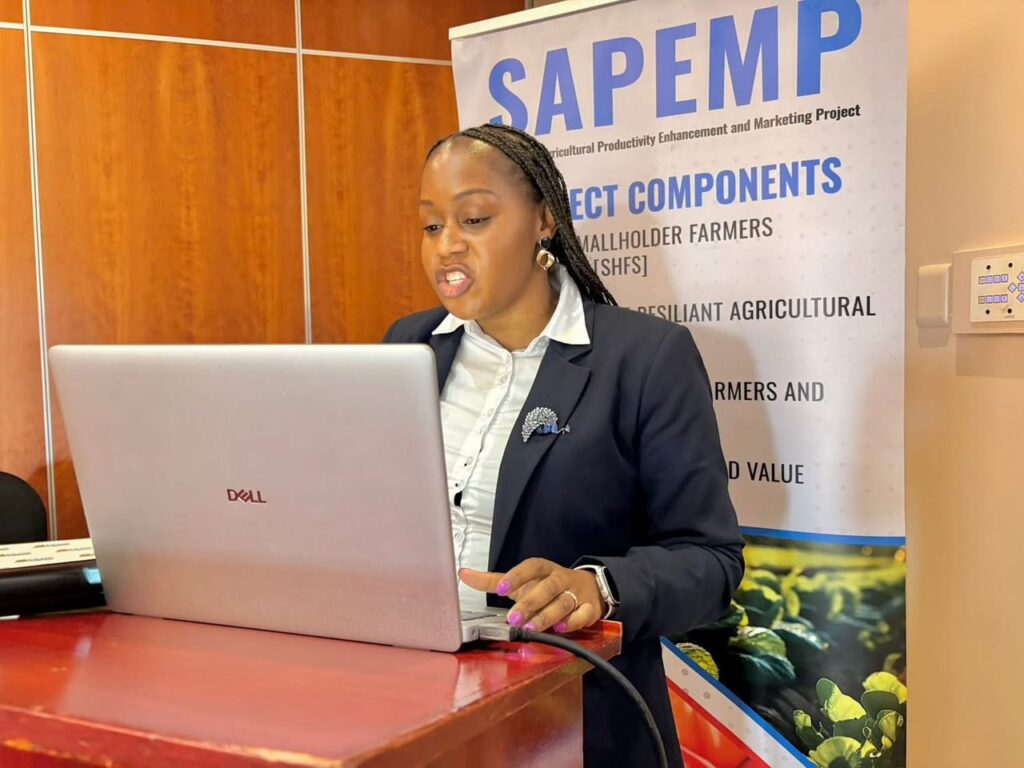
“We want to ensure that even farmers in remote areas can engage with the project digitally, whether it is sharing information or receiving updates that support their production and marketing decisions,” Dlamini explained.
The project, which is being implemented over an eight-year period, is funded at approximately E851 million through support from international partners, including the International Fund for Agricultural Development (IFAD), the Green Climate Fund (GCF), and the Government of Eswatini, with additional contributions expected from the private sector and beneficiaries.
SAPEMP targets approximately 19,600 households nationwide. The programme places particular emphasis on inclusivity, with targets set to ensure significant participation of women, youth, and vulnerable groups.
Beyond production, the project is also investing in post-harvest handling and market infrastructure, including the establishment of collection centres and improvements in storage and processing systems. These interventions are expected to reduce losses, improve quality, and enable farmers to access both domestic and export markets.