
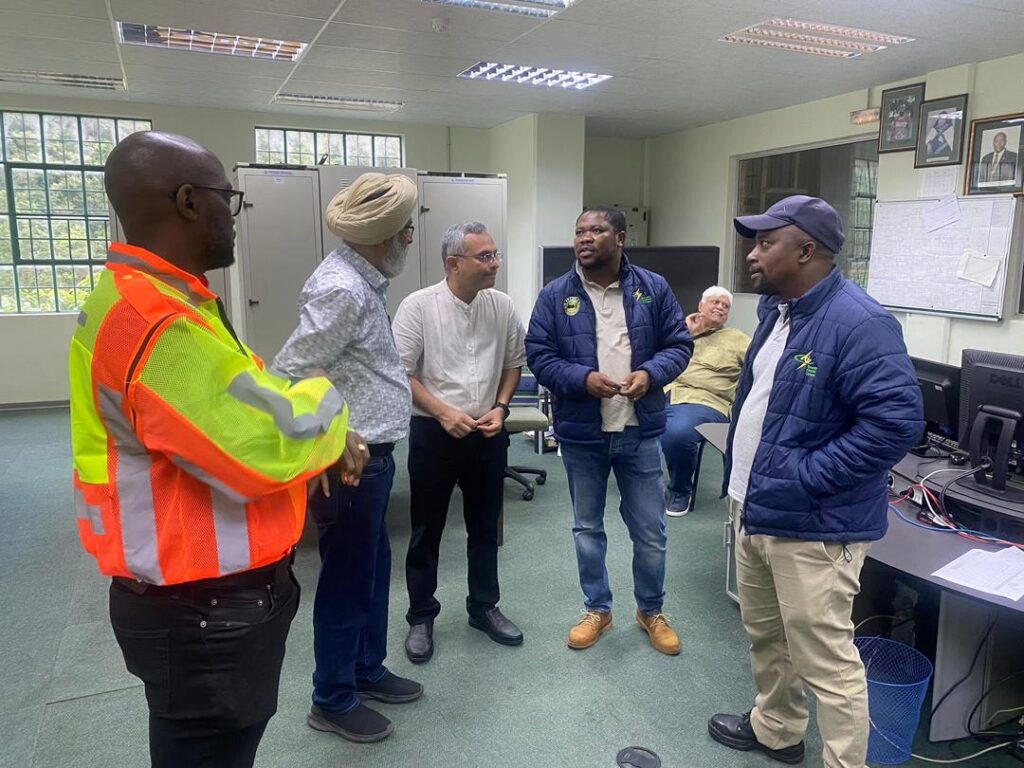
The Kingdom of Eswatini’s energy sector is bracing for a tectonic transformation as Singapore-headquartered MBH Power, which already maintains a presence in 18 African nations, prepares to make the country its 19th frontier on the continent.
A high-level delegation, hosted by the Eswatini Electricity Company (EEC) and led by Chairman Bagu Mukhi and CEO Rakesh Mahapatra, recently convened an intensive technical tour of the Maguga Hydro Power Station, signaling a deep-dive commitment to Eswatini’s grid stability.
“The visit marks a significant step forward as MBH Power eyes investment opportunities to make Eswatini its 19th market,” the EEC stated via social media.
This isn’t just a site visit, it’s a strategic reconnaissance mission by an energy behemoth that builds entire economies, not just power plants.
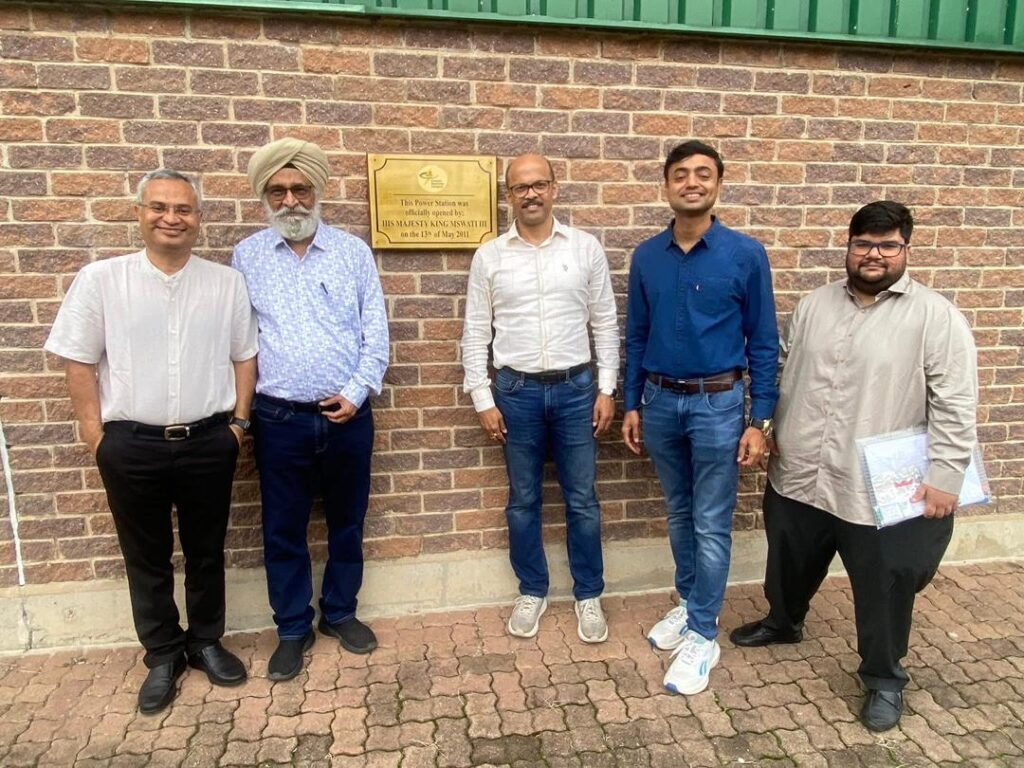
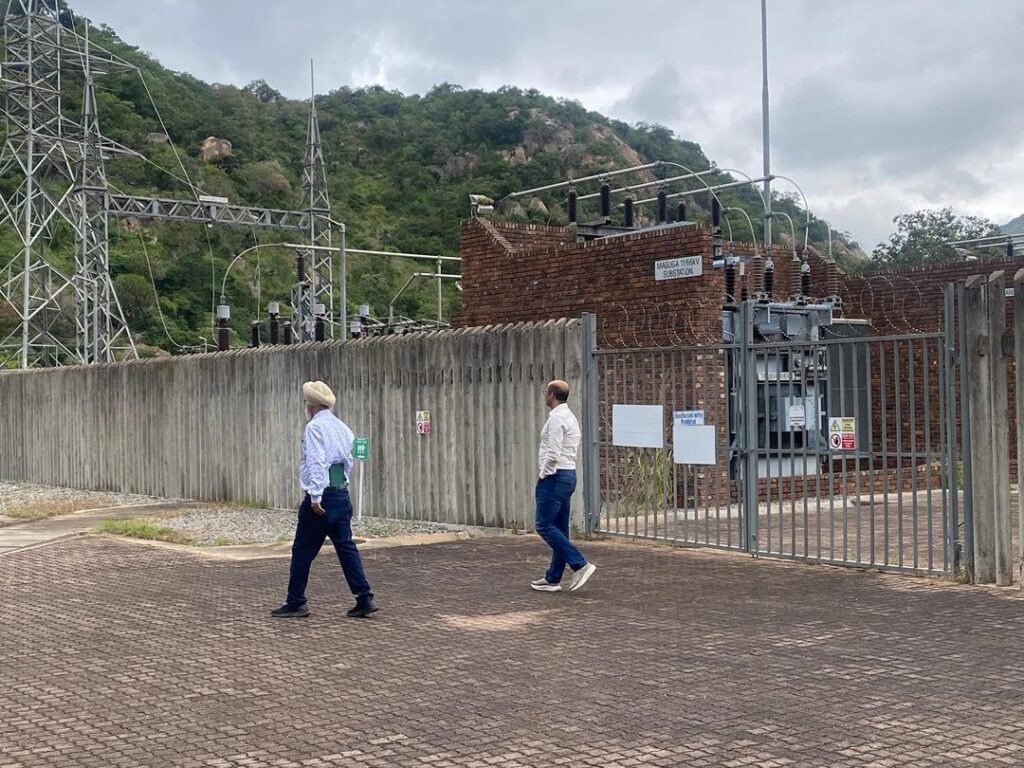
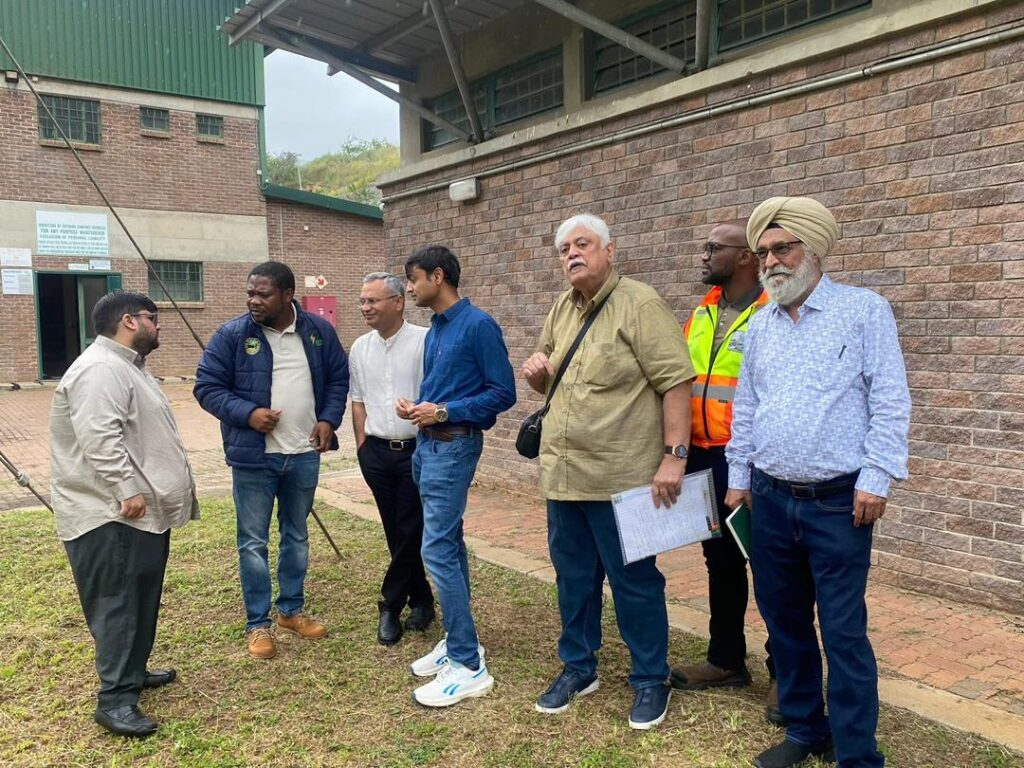
“It was a productive day showcasing the capability of our local infrastructure and exploring immense potential for collaboration in the energy sector,” said the utility. “We are excited about the prospect of welcoming MBH Power to our shores and working together to drive innovation and energy security for the Kingdom of Eswatini.”
Founded in 1948, Tolaram Group is the Singaporean parent company behind MBH. Tolaram is a multibillion-dollar global holding company with a footprint in 75 countries. They are the same engine behind some of Africa’s largest infrastructure projects, including Nigeria’s first privately owned free trade zone and the multi-billion dollar Lekki Deep Sea Port.
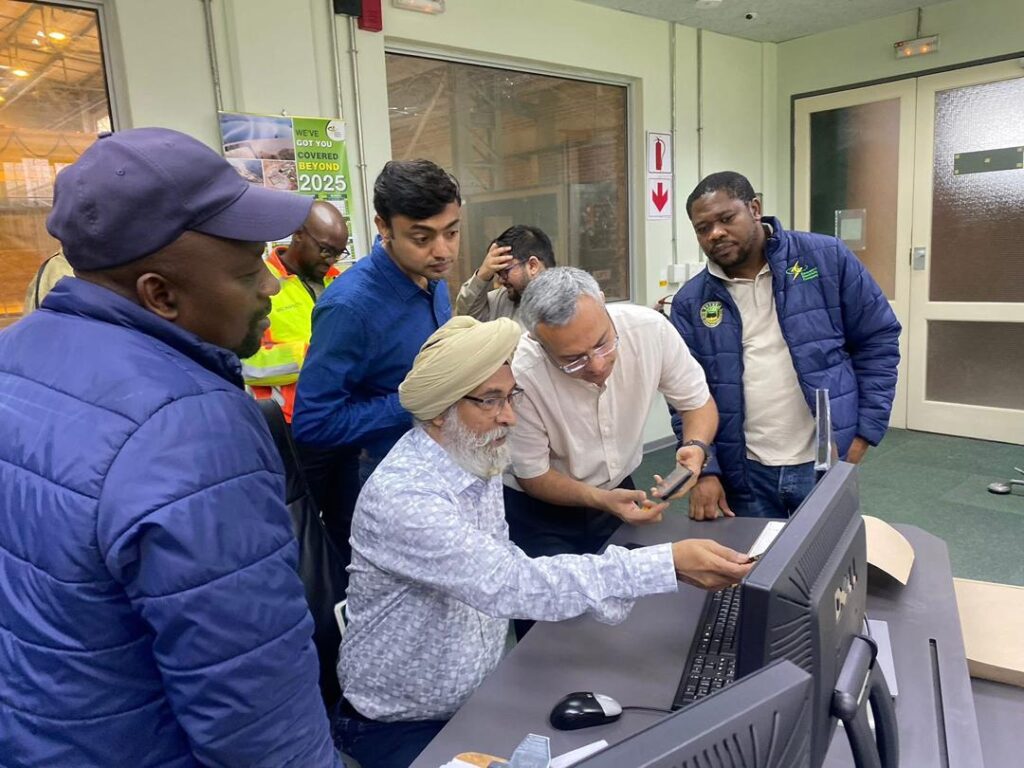
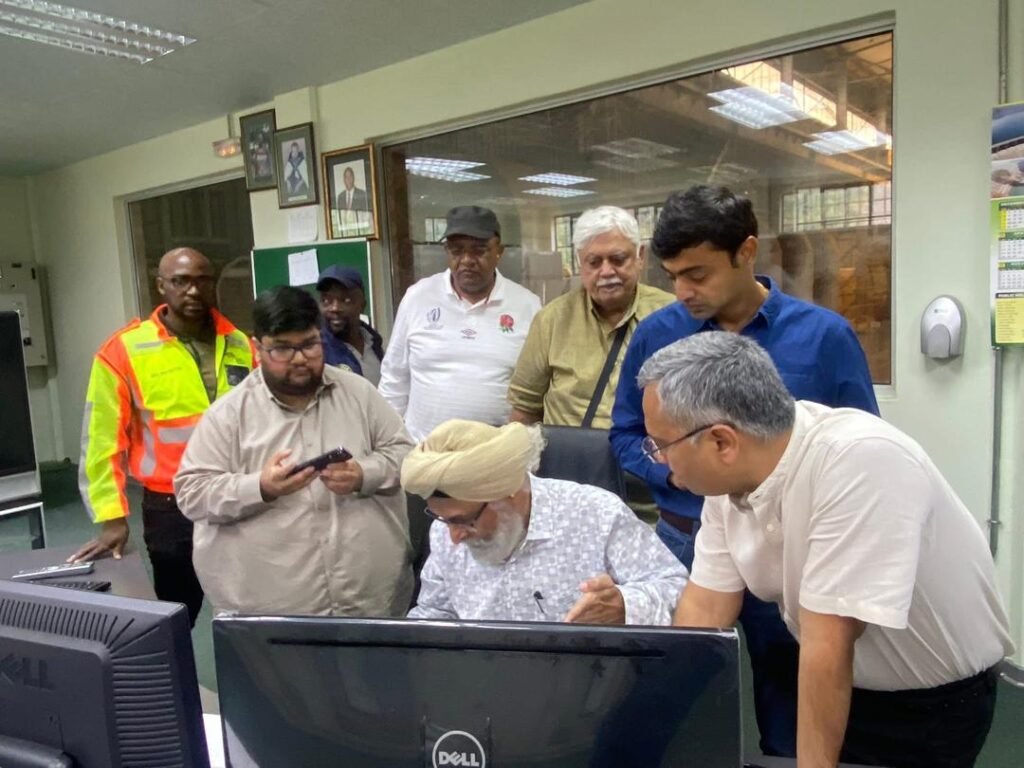
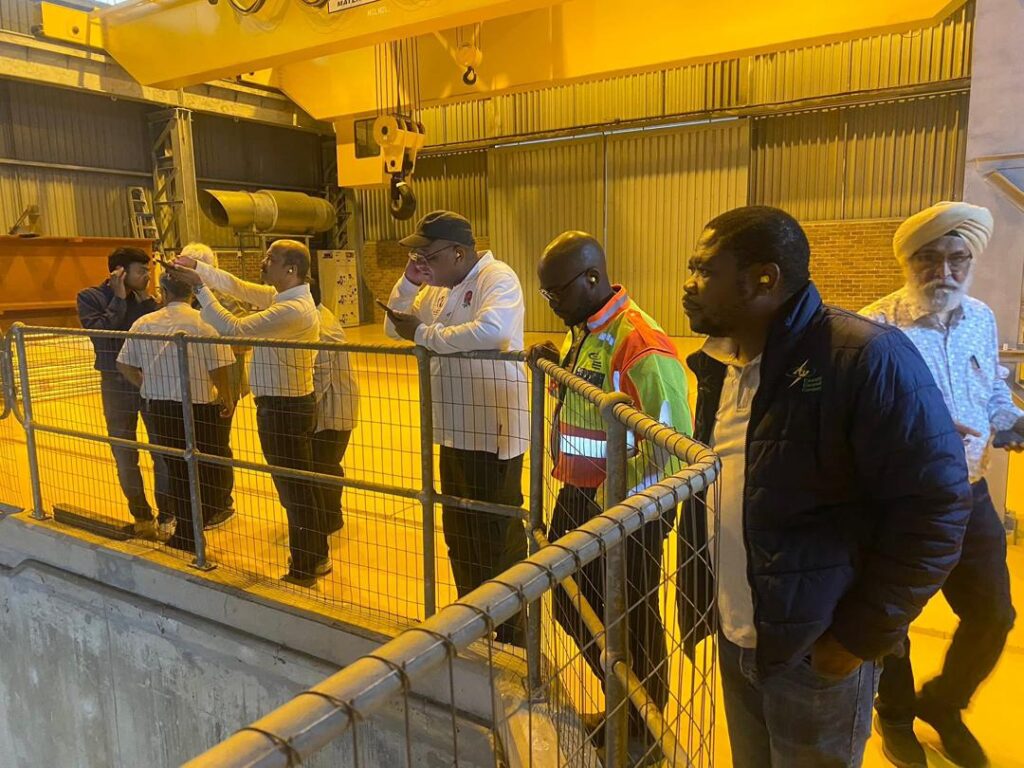
MBH Power functions as the group’s comprehensive energy division, specializing in EPC (Engineering, Procurement, and Construction). They don’t just sell equipment; they provide the technical, financial, and logistical muscle to execute projects from raw earth to a live grid.
While MBH Power is a private entity, its financial pedigree is bolstered by Tolaram’s massive liquidity. Furthermore, MBH is currently a key player in the World Bank and African Development Bank’s “Mission 300” initiative, which aims to connect 300 million Africans to power by 2030.
Their model is built heavily on Revenue Cycle Management. They specialize in Advanced Metering Infrastructure (AMI) which, according to 2024 data, has helped utilities in West Africa reduce commercial losses by nearly 30%. For the Eswatini Electricity Company, this expertise could be the difference between a struggling utility and a highly profitable one.