

As the fallout from Middle East geopolitical tensions sends shockwaves through global energy markets, Minister of Natural Resources and Energy, Prince Lonkhokhela, has confirmed that the Strategic Fuel Price Stabilization Fund will be deployed to soften the blow of rising international oil prices.
“Fuel supplies from international markets are constrained, resulting in increased lead time for delivery of imported fuel,” said the minister.
“Due to the international fuel supply scarcity, fuel prices have escalated and the Ministry will announce the new prices, upon final assessments and consultations.”
The Minister offered a reassuring outlook for the domestic market, noting that while Eswatini is not immune to global trends, the local impact will be significantly less severe than in countries currently lacking a similar safety net.
He stated that the Kingdom has a price cushion that many others do not, ensuring that fuel prices will not rise as sharply or as painfully as seen in nations struggling without one.
For the average motorist, the Stabilization Fund acts as a silent guardian at the pump. Managed by the Eswatini National Petroleum Company (ENPC), it is a strategic financial reserve built during periods of market stability to be used exactly when a crisis hits.
During stable market periods, a small portion of the fuel levy is funneled into this account.
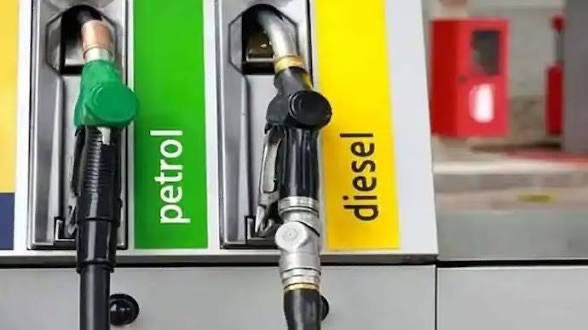
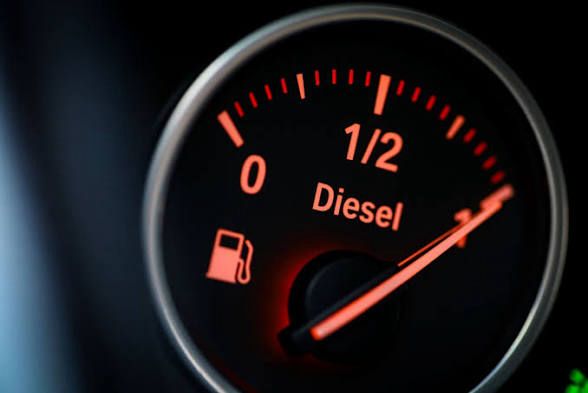
When international events, such as the current Red Sea disruptions and attacks on energy corridors, cause oil prices to spike, the Government draws from this fund to pay the under-recovery, which is the difference between the high cost of importing fuel and the price paid by consumers.
The result is that the fund absorbs a significant portion of the increase, ensuring that local pump prices remain relatively stable and adjustments are kept incremental.
The minister emphasized the government’s methodical approach to the current crisis.
He noted that the Ministry of Natural Resources and Energy remains fully committed to its mandate of ensuring energy security and price stability for all EmaSwati.
While the current geopolitical climate in the Middle East has placed immense pressure on global Brent Crude prices, Eswatini is utilizing the Strategic Fuel Price Stabilization Fund specifically to act as a buffer for the economy.
The Minister informed the nation that he is scheduled to meet with Cabinet and Parliament to deliberate on the necessary price adjustments for the upcoming period, and the Ministry will update the nation with the finalized figures following these high-level consultations.
The Minister’s assurance is backed by a sobering look at regional neighbors who are already facing the unfiltered impact of the Middle East crisis.
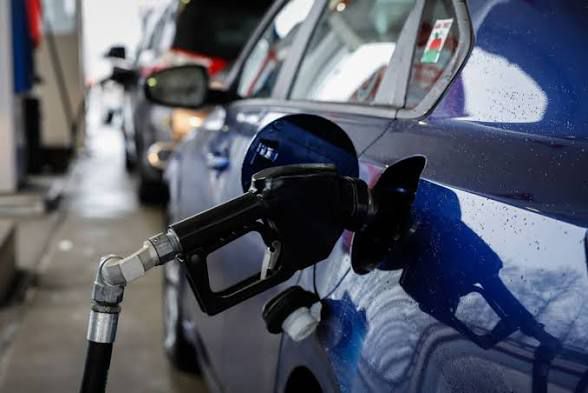
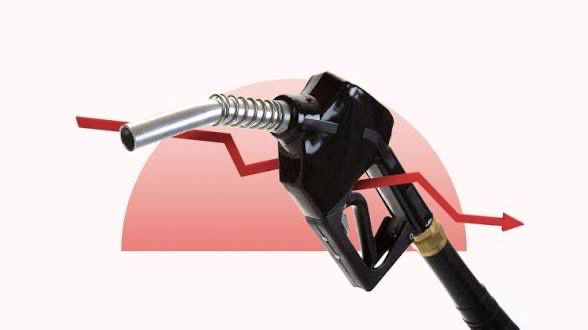
While Eswatini’s ULP95 petrol was recently priced at E19.45, neighboring countries are seeing record-breaking hikes as Brent Crude surges past $115 per barrel.
In Zimbabwe, motorists have been hit by a 27% surge, where petrol jumped from $1.71 to $2.17 (approx. E39.06) in just two weeks.
South Africa is facing a massive under-recovery, with CEF data showing a potential R6.29 increase for diesel due to Iran-related tensions.
Further afield in the Balkans, emergency interventions were triggered after prices jumped nearly 30% in a single week, while Zambia is currently issuing shortage warnings as hoarding rises in response to supply chain instability.
Prince Lonkhokhela concluded by stating that the mission is to ensure that while global prices rise, the impact on the pockets of EmaSwati is as soft as possible.
He noted that without the stabilization fund, Eswatini would be facing the same E30-plus per litre reality seen elsewhere in the region.