
By Nomfanelo Maziya
In a move to protect the nation from a looming price shock, Prime Minister Russell Mmiso Dlamini has announced that the government will inject E200 million into the energy sector to cushion the blow of the recently approved 13.61% increase in the electricity tariff.
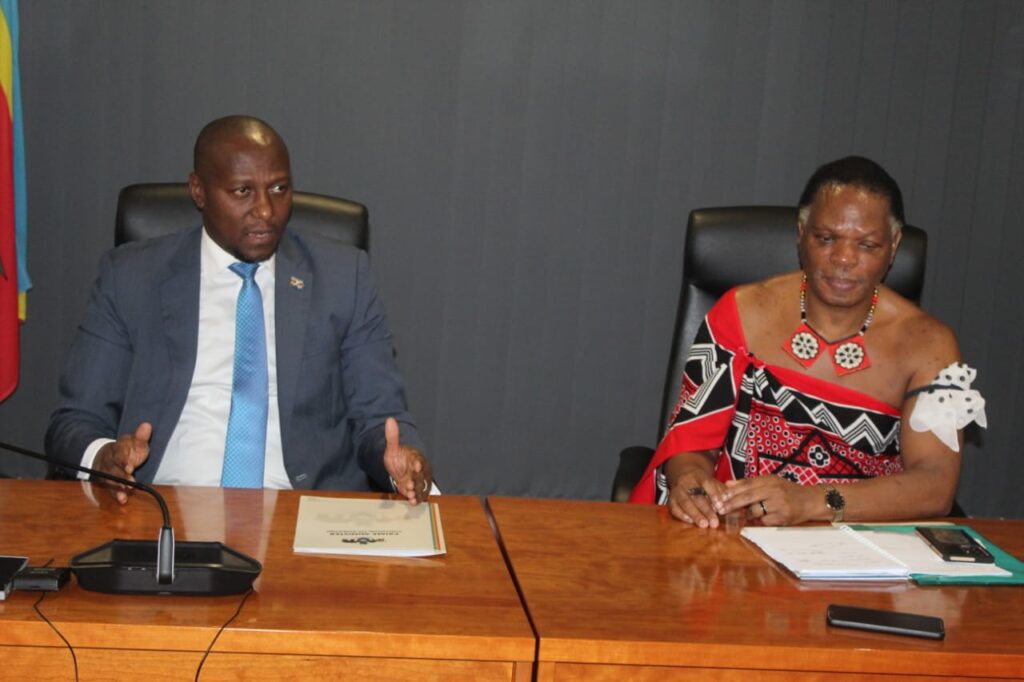
Addressing a press conference at the Cabinet Offices today, the PM announced that while the government recognizes the need for the tariff adjustment to ensure the survival of the Eswatini Electricity Company (EEC), it cannot allow the full burden of the increase to fall on emaSwati and local businesses.
The government decided to intervene to provide relief to households and the EEC, in line with the Speech from the Throne. To enable relief for emaSwati and businesses, the government approved special funding of E100 million in 2026 and E100 million in 2027 to ESERA.
The funding is intended to bridge the gap between what the utility (EEC) needs to stay operational and what the public can afford to pay.
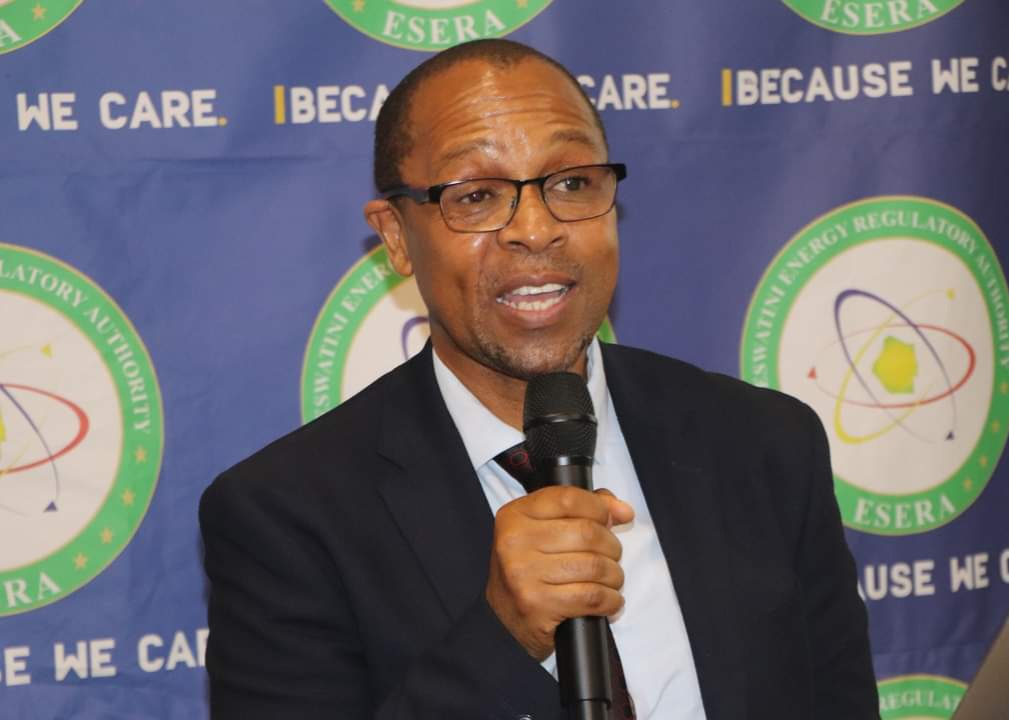
Instead of a sharp, acute jump in bills, ESERA will use these funds to spread the cost, effectively lowering the effective rate consumers will see on their meters. “The regulator working with EEC will decide the extent to which this funding will bring relief to the public and to mitigate future acute increases,” said Dlamini.
For the private sector, particularly energy-intensive industries such as manufacturing and mining, this subsidy prevents a sudden spike in overhead costs that could have led to job losses.
The Premier was frank about the root cause of the current crisis, attributing the high costs to a long-term reliance on external energy sources. Eswatini currently imports a significant portion of its power from South Africa’s Eskom and Mozambique’s EDM.
“The increase in tariffs and corresponding impact is a result of historical decisions made to fully rely on imported power rather than on locally generated power. Although the citizens of Eswatini are experiencing the impact now, the opportunity to prevent this was missed many years ago,” said Dlamini.
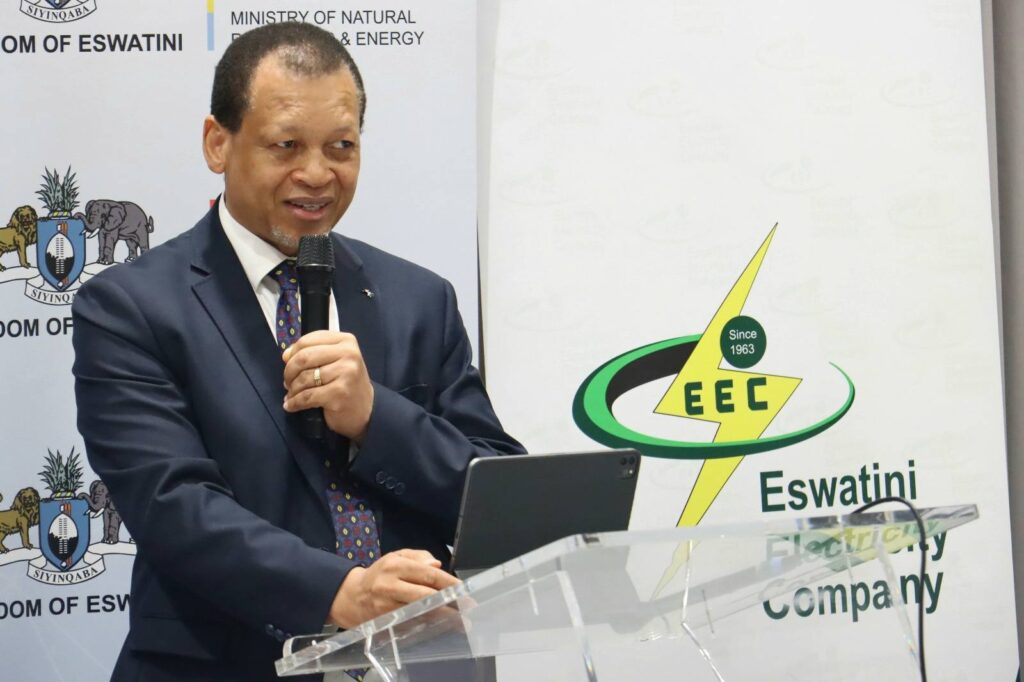
Beyond the immediate financial band-aid, the PM laid out a roadmap to end the Kingdom’s energy dependency. The goal is to reach total energy self-sufficiency by 2030.
He highlighted a pipeline of projects expected to deliver 188.6 MW of local power. This roadmap includes the 75MW Solar Projects by Independent Power Producers (IPP), the 50MW RES Corporation Project, the 40MW Illovo Biomass Project, the 13.6MW Lower Maguduza Hydro Project, and the 10MW Maguga Hydropower Expansion.
“More generation licenses for an additional 1,400MW are being considered by the government, putting the country on a good trajectory to eliminate reliance on imports and bring baseload for industrialisation,” added Dlamini.
Concluding his address on behalf of His Majesty’s government, the PM expressed deep gratitude to the nation for their understanding and continued cooperation during this critical period of transition, framing these short-term adjustments as a necessary evolution toward the broader goals of the Grand Plan for National Transformation and the Nkwe Programme of Action.