
By Ayanda Dlamini
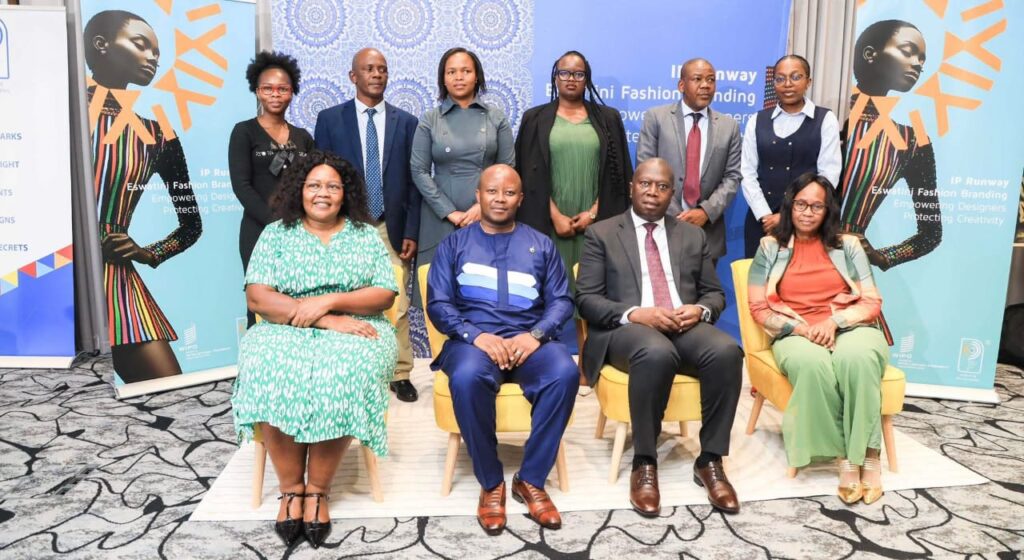
Eswatini is taking deliberate steps to transform its fashion and visual arts sector from informal creativity into a structured, commercially protected industry, following the launch of the Business of Fashion IP programme at the Hilton Garden Inn Mbabane.
The initiative, spearheaded by the Eswatini Intellectual Property Office (EIPO), signals a strategic shift: positioning intellectual property (IP) not as a legal afterthought but as core business infrastructure for scaling creative enterprises.
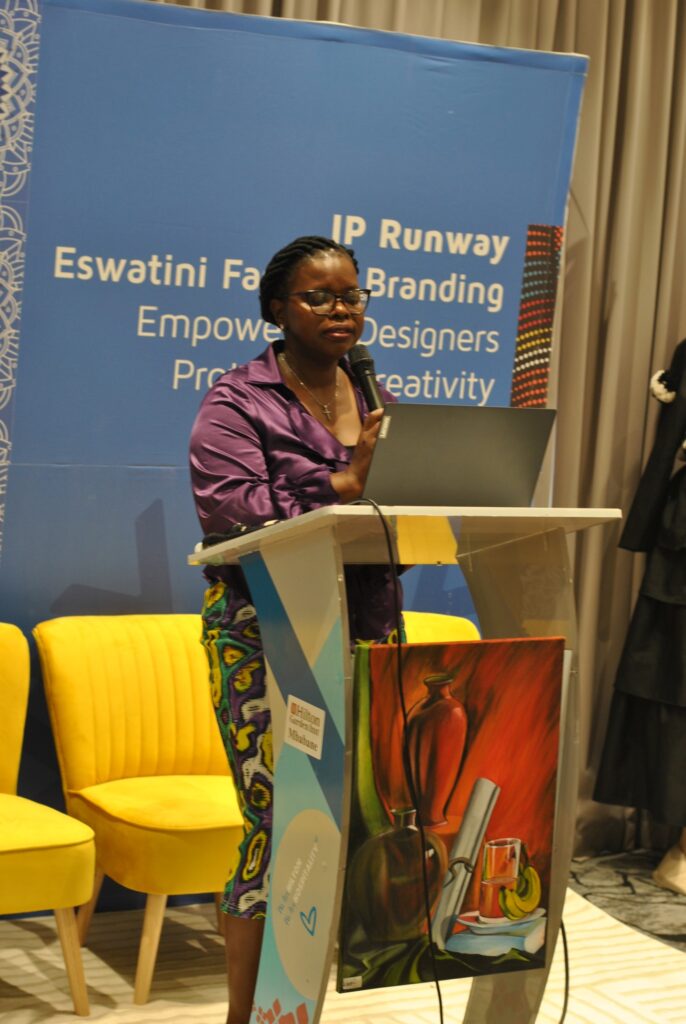
Speaking at the workshop, EIPO Registrar Dr. Celucolo Dludlu described the session as more than a routine awareness event. Instead, he framed it as a targeted intervention to close a persistent gap in Eswatini’s fashion ecosystem, the divide between creative output and commercial protection.
…Closing the Protection Gap
“Across the country, we see strong design capabilities. What remains underdeveloped is the systematic use of intellectual property as part of everyday business practice,” Dludlu said.
According to the EIPO’s records, while many designers are actively producing garments, building loyal customer bases, and showcasing at exhibitions and runway events, relatively few are registering trademarks early, strategically structuring brand assets, or securing ownership of original designs and prints.
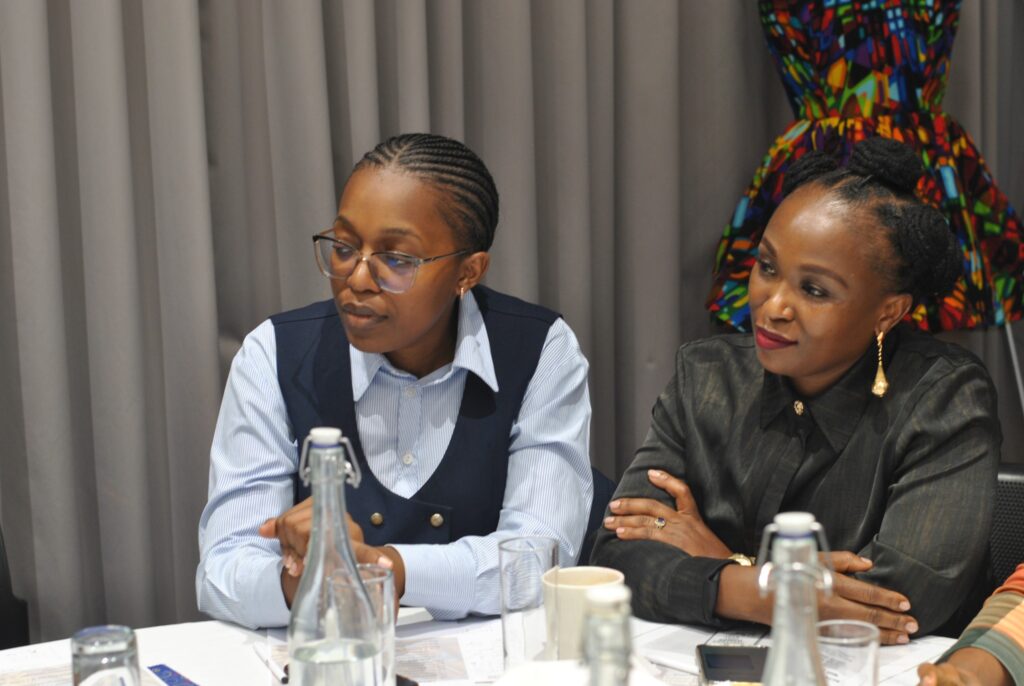
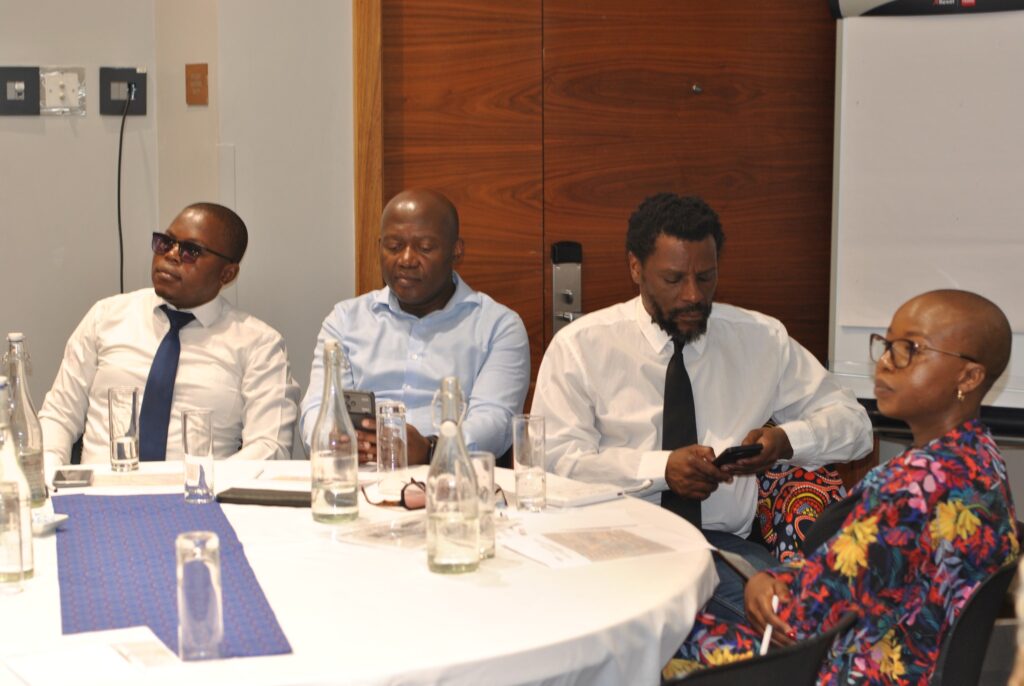
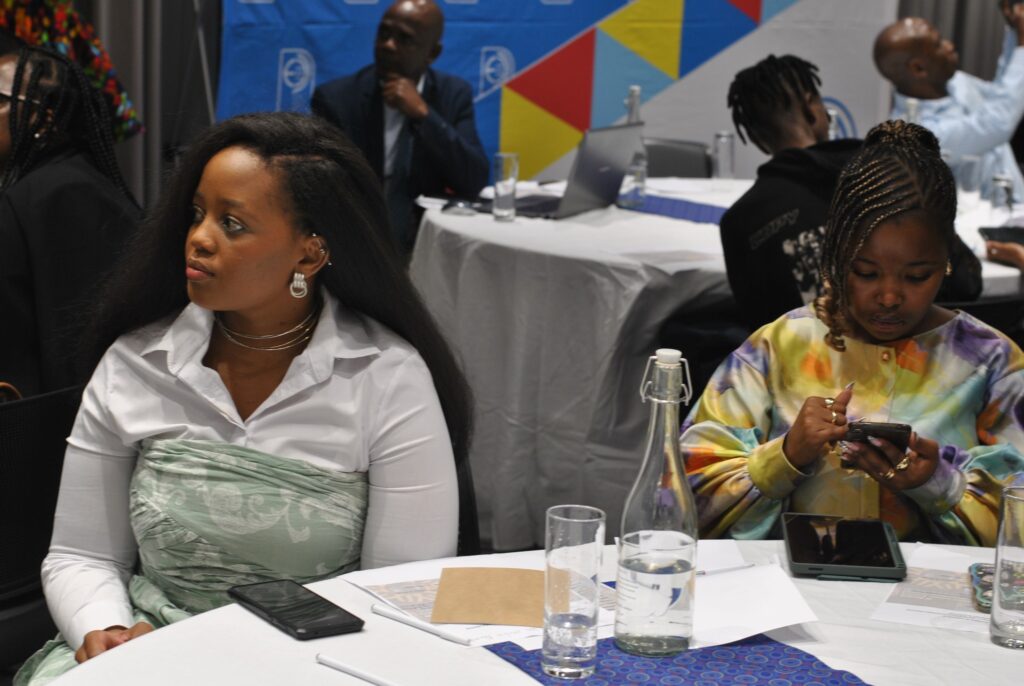
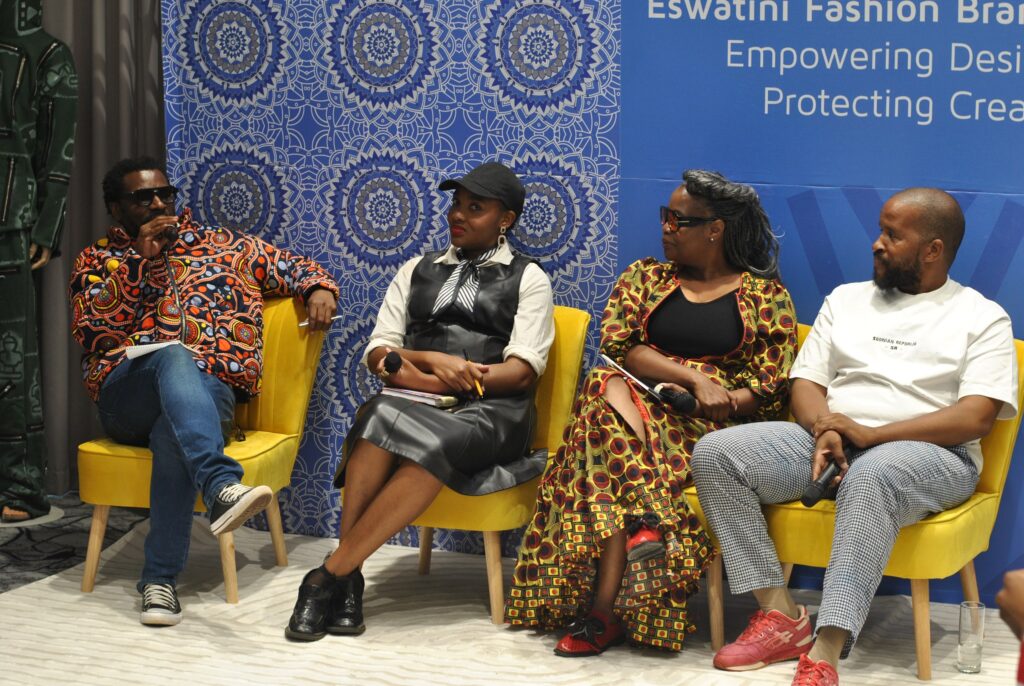
He warned that the result is predictable: brands gain visibility but remain legally vulnerable. In a sector where replication is easy and brand identity determines market power, this vulnerability can undermine years of creative effort.
Without trademarks, copyrights, industrial design protection, or structured branding strategies, scaling beyond local markets becomes significantly more difficult.
Dludlu urged creatives to reframe intellectual property as a growth tool. “In the fashion sector, IP anchors brand identity in the marketplace, creates legally defensible market space, supports long-term enterprise valuation, and enables licensing and collaboration opportunities,” he said.
He revealed that one of the largest rights transactions handled by the EIPO involved a clothing powerhouse transferring its intangible assets, underscoring that brand equity and protected creative assets hold measurable financial value.
To demystify intellectual property, Dludlu introduced what he called the “Rule of Five,” encouraging creatives to consider the five major IP categories and the legal rights each provides.
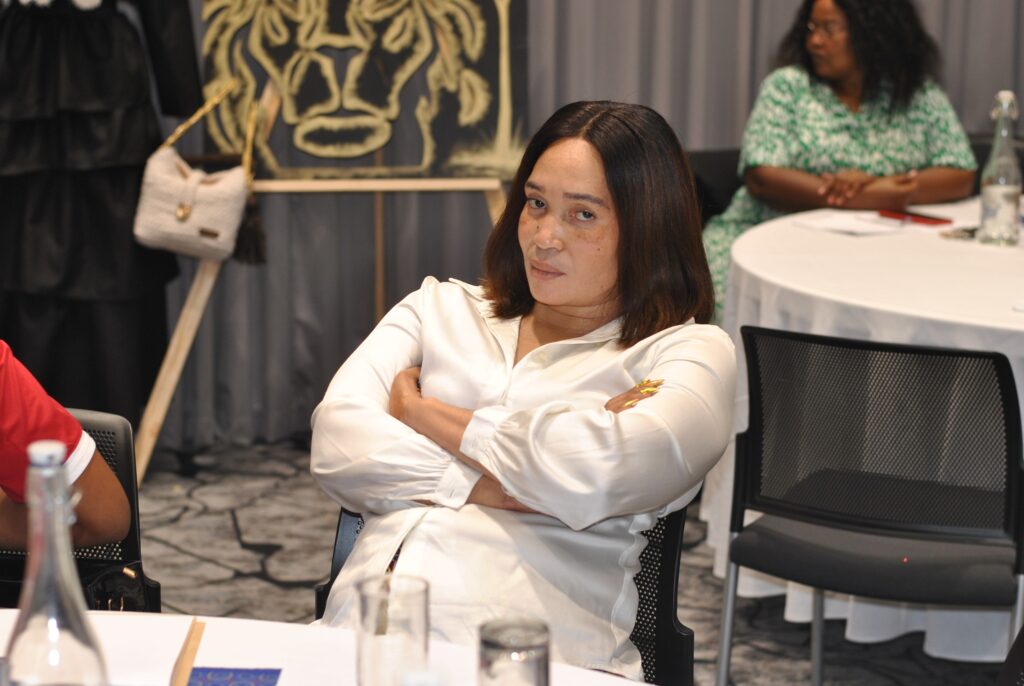
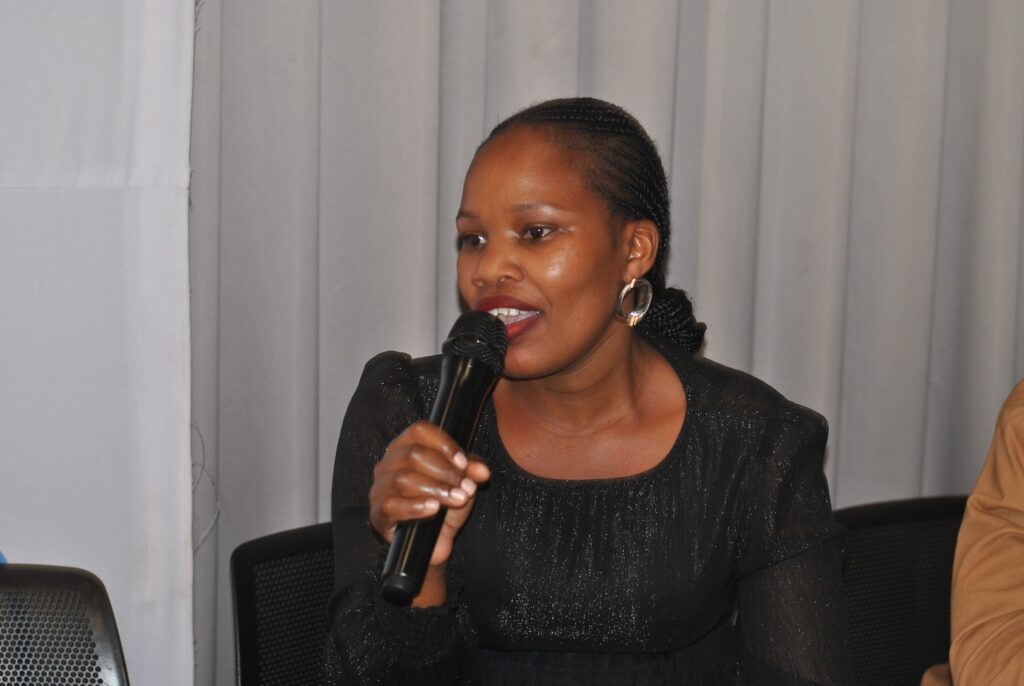
Rather than viewing IP as a compliance requirement, he challenged designers to treat it as business infrastructure. He posed three practical questions to participants: Is my brand clearly defined and consistently presented? Have I secured appropriate IP protection for my label and original work? And am I positioning my business to scale beyond the local market?
“If this workshop helps you make progress on even one of these fronts, we will have made meaningful progress,” he said.
The IP Office, he added, is strengthening outreach, streamlining registration processes, and collaborating more closely with ecosystem partners. However, the system’s effectiveness ultimately depends on creators’ uptake.
Creativity Must Translate to Jobs- Minister
Delivering remarks on behalf of the Minister of Commerce, Industry and Trade, Manqoba Khumalo, Principal Secretary Melusi Masuku reinforced the government’s broader economic vision.
He emphasized that the creative sector sits at the intersection of youth employment, women’s empowerment, cultural preservation, and export diversification. “Talent alone is not enough,” Masuku stated.


“Without intellectual property protection, creativity leaks value. Without branding, businesses struggle to scale. Without formalization, investment remains out of reach.” Government’s priority, he said, is not only to celebrate creativity but also to pursue enterprise growth, job creation, and inclusive economic participation.
From Hobby to Enterprise
The Business of Fashion IP programme introduces practical interventions, including targeted IP training workshops, digital visibility platforms for fashion brands, IP clinics, and structured mentorship for designers.
Particular emphasis is being placed on the handicraft sector and on creatives operating at the margins of the formal economy, a move aligned with national development goals for inclusive growth. Masuku called on designers to undergo a mindset shift. “You must begin to see yourselves not only as artists but also as entrepreneurs and brand builders,” he said.
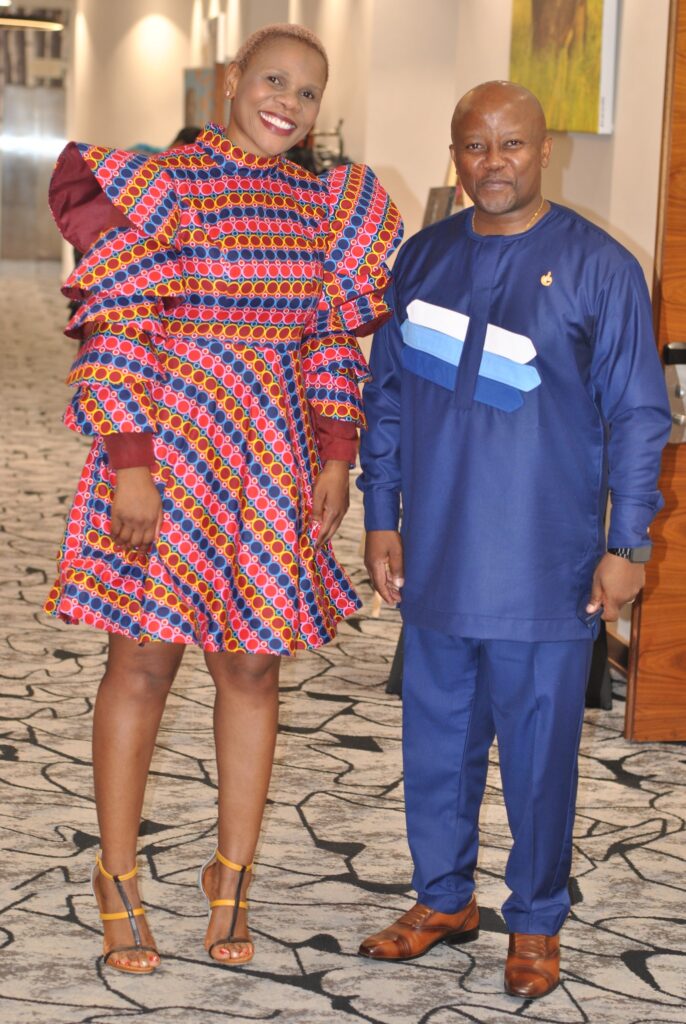
He encouraged creatives to register their brands early, formalize their businesses, price strategically, and explore licensing, collaborations, and export markets. “The global fashion industry rewards those who combine creativity with discipline and artistry with business intelligence,” he noted.
Building a Scalable Creative Economy
At its core, the initiative marks a shift from celebrating creativity to commercializing it. With the right IP architecture, business support systems, and market linkages, the creative and visual economy could become a significant contributor to national GDP and employment.
The government has pledged continued support, but stakeholders, including financiers, educators, designers, and development partners, are being urged to participate actively.
As the workshop concluded, the message was clear: creativity without protection limits growth; creativity backed by intellectual property builds a lasting enterprise. For Eswatini’s fashion industry, the runway to global competitiveness now begins with ownership.