
By Ayanda Dlamini
The European Union (EU), in partnership with the International Trade Centre (ITC) and Eswatini’s Ministry of Agriculture, is intensifying efforts to modernize the country’s livestock industry through sustained investment in artificial insemination (AI) training and breeding systems.
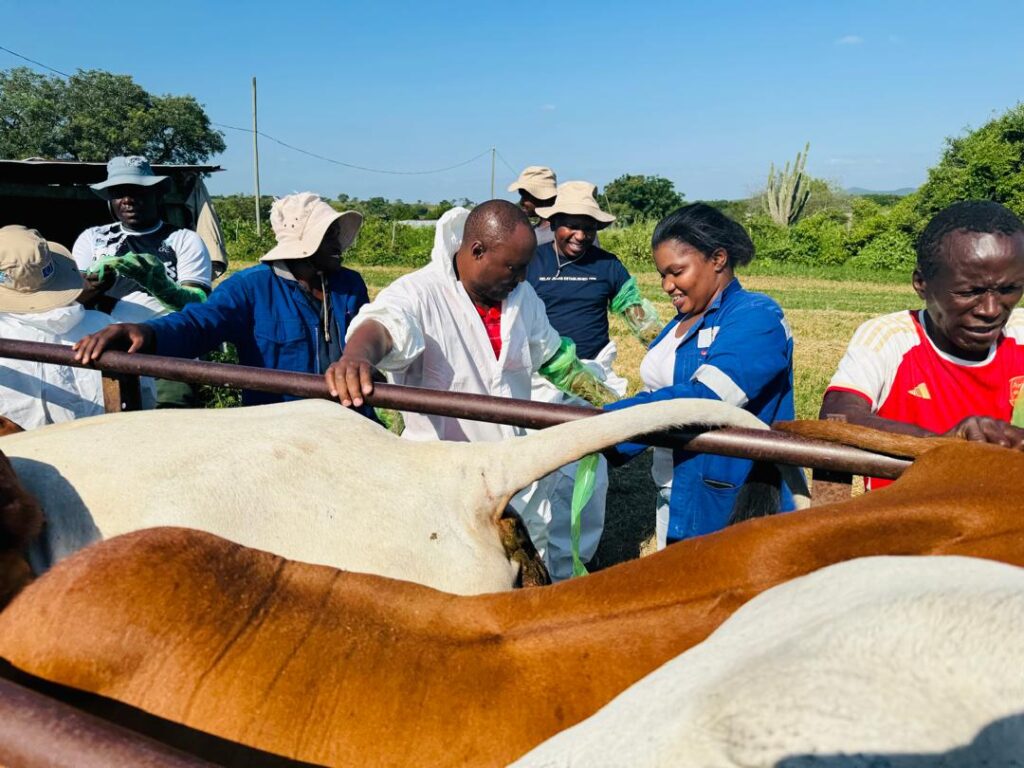
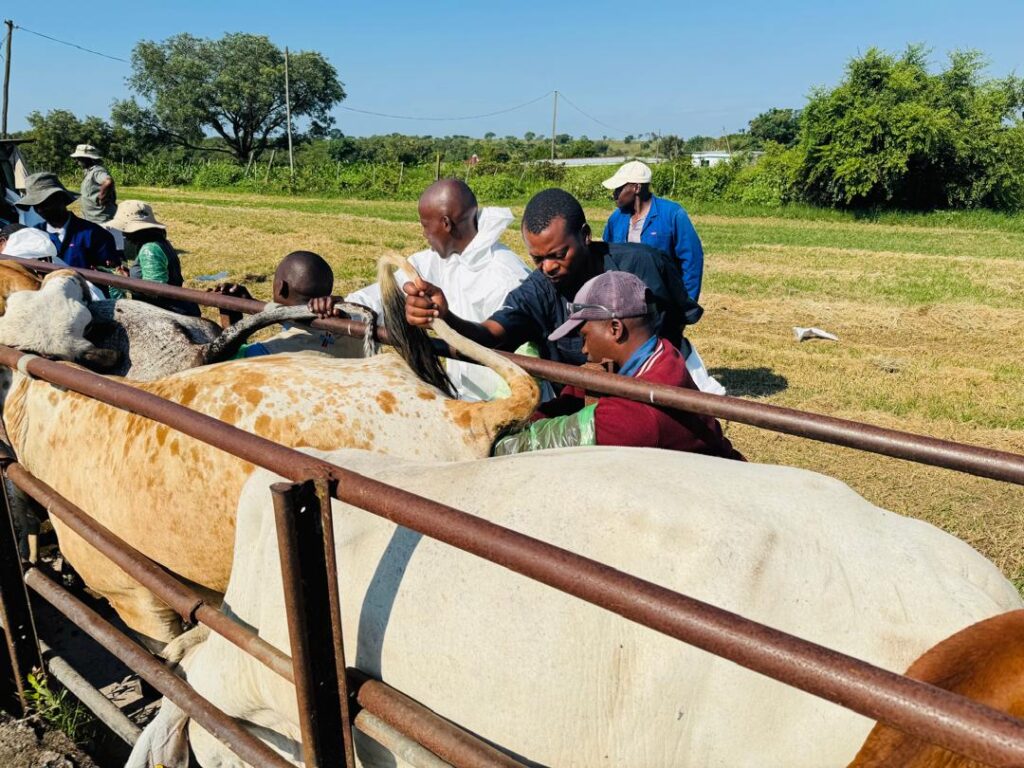
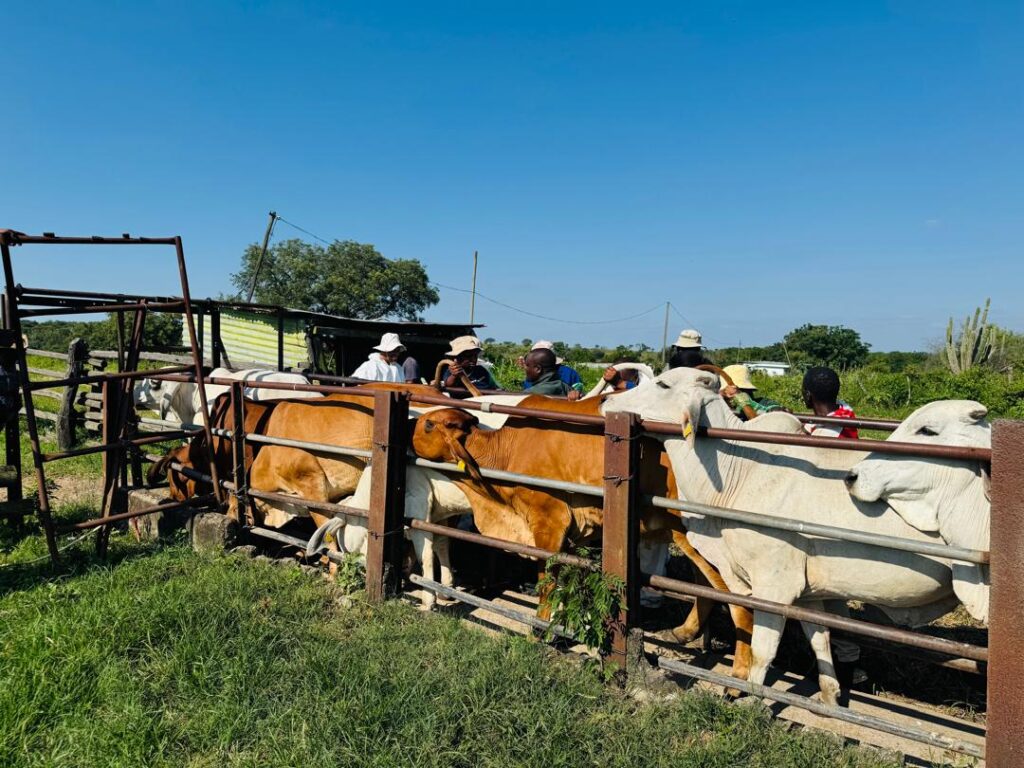
As part of the Eswatini Livestock Value Chain Development Programme (ELVCDP), funded by the EU and implemented by ITC, 25 frontline livestock extension officers and veterinary professionals recently completed an artificial insemination refresher course at the Mpisi Veterinary and Farmers Training Centre.
The training marks another milestone in a phased, long-term strategy to improve genetic quality, reduce production costs, and increase productivity across the beef and goat value chains.
Unlike one-off technical workshops, the refresher training builds on prior capacity-building interventions and focuses on institutionalizing modern breeding services within national livestock systems.
According to ITC National Livestock Expert Sibonangabo Sikhondze, the programme is designed to embed technical expertise in public-sector service delivery, ensuring that farmers nationwide can access improved breeding solutions over time.
The livestock sector remains a critical pillar of Eswatini’s rural economy, particularly on the Swazi Nation Land, where communal grazing systems dominate. However, farmers have long faced challenges linked to poor genetic stock, high costs of maintaining breeding bulls, disease management, and unplanned calving seasons.
Artificial insemination offers a cost-effective and scalable solution to many of these constraints. By using genetically tested semen from high-quality bulls, farmers can improve herd performance without incurring the risks and expenses associated with owning bulls. These risks include theft, parasite management, disease transmission, and feed costs.
Menzi Jele, a Livestock Extension Officer who participated in the training, said the programme provides practical tools to address the everyday challenges farmers face.
He noted that while some farmers benefit from government bull loan schemes or import breeding stock from neighbouring South Africa, genetic quality often remains inconsistent.
“With AI, bulls are tested, including genetically, which significantly improves the national herd,” Jele said. “It also reduces the high costs and risks associated with keeping bulls.”
Beyond genetics, planned breeding is another strategic advantage. Uncontrolled mating often leads to cows calving during periods of feed scarcity, which harms both cows and calves. Artificial insemination allows synchronised breeding aligned with feed availability, improving animal welfare and overall productivity.
Cynthia Dlamini, another participant in the refresher training, emphasized the efficiency gains that AI delivers.
On communal land where smaller bulls are common, a single bull’s ability to service cows is limited. Artificial insemination, however, enables significantly higher coverage in a shorter timeframe.
“This refresher was especially valuable because it emphasized practical work over theory,” she said. “With AI, the scale is completely different.”
The EU-supported initiative extends beyond training sessions. A key component of the broader strategy is the establishment of a national Artificial Insemination Centre, continued mentorship for extension officers, and a gradual rollout of services to government farms and pilot farming communities.
Despite operational challenges, including movement restrictions related to Foot-and-mouth disease at the training site, the program continues to build national capacity.


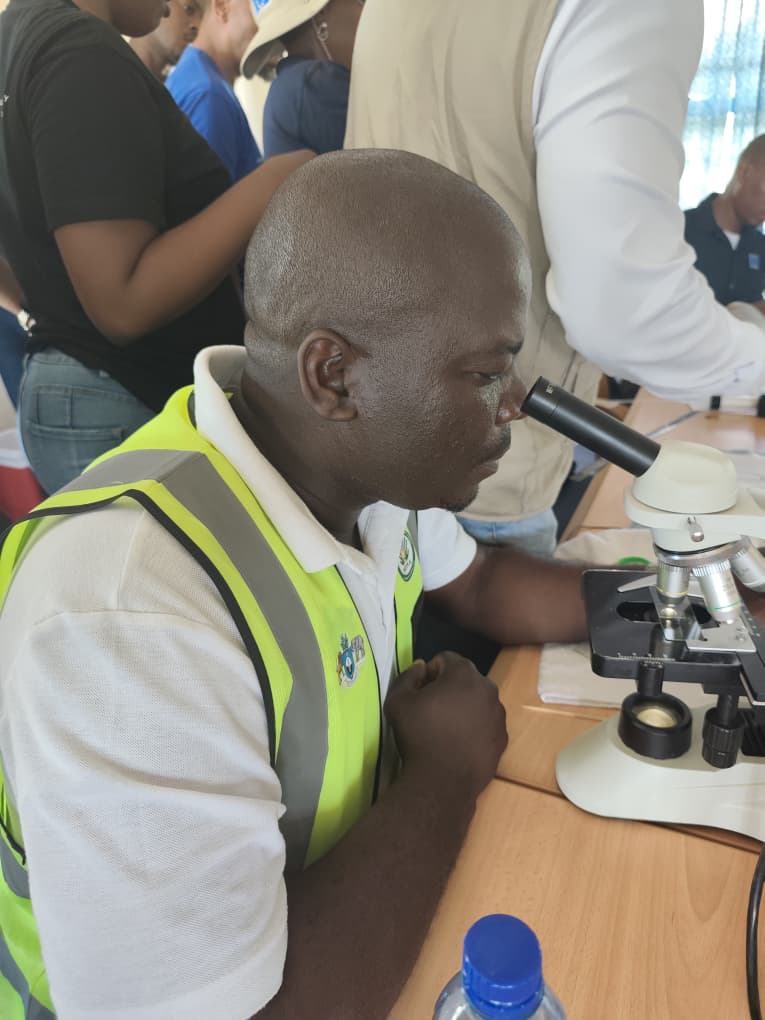
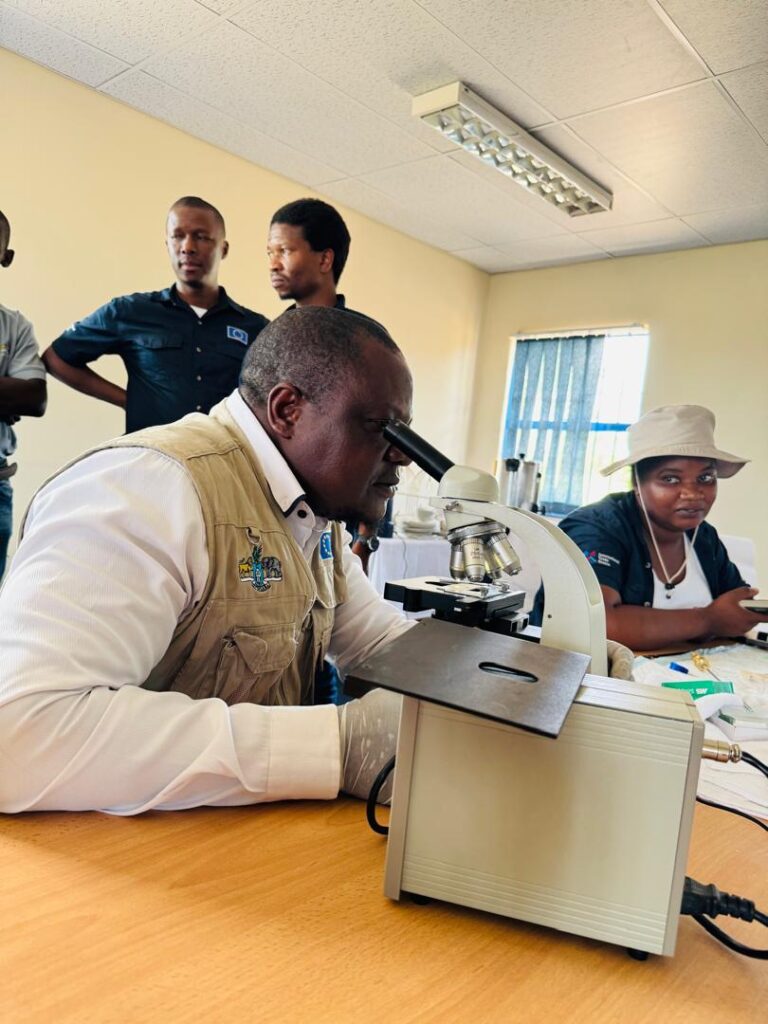
Officers received hands-on training in oestrus detection, synchronisation protocols, semen handling, pregnancy diagnosis, and the safe use of AI equipment, all essential competencies for delivering reliable breeding services at scale.
Bhekani Magongo, Programme Officer at the European Union Delegation to Eswatini, said the livestock initiative reflects the EU’s long-term commitment to strengthening Eswatini’s productive sectors.
“By investing in people and systems over time, we are helping Eswatini build a more productive, resilient, and competitive livestock sector that delivers tangible benefits to farmers and the broader economy,” Magongo said.
The anticipated business and economic outcomes are significant. By lowering breeding and production costs, improving herd genetics, and increasing calving efficiency, the program is expected to raise farmers’ incomes, strengthen food security, and stimulate inclusive rural growth.
Improved livestock performance also positions Eswatini more competitively in regional beef and goat markets.
The intervention aligns with the International Trade Centre’s broader mandate. The International Trade Centre is a joint agency of the World Trade Organization and the United Nations, focused on strengthening small and medium-sized enterprises in developing economies.
Through its Alliances for Action framework, ITC works to transform agricultural value chains into climate-smart, sustainable systems that link producers to higher-value markets.
As implementation progresses, trained extension officers will roll out artificial insemination services nationwide, supported by ongoing mentorship, monitoring, and farmer awareness campaigns.
The goal is not only to introduce modern breeding technology but to embed it sustainably within Eswatini’s livestock ecosystem.
For policymakers and industry stakeholders, the message is clear: long-term investment in skills, systems, and science-based agriculture is central to unlocking growth in Eswatini’s livestock sector.
Through coordinated public-sector strengthening and international partnership, the EU–ITC programme is laying the groundwork for a more competitive and resilient livestock industry capable of delivering measurable returns for farmers and the broader economy.