
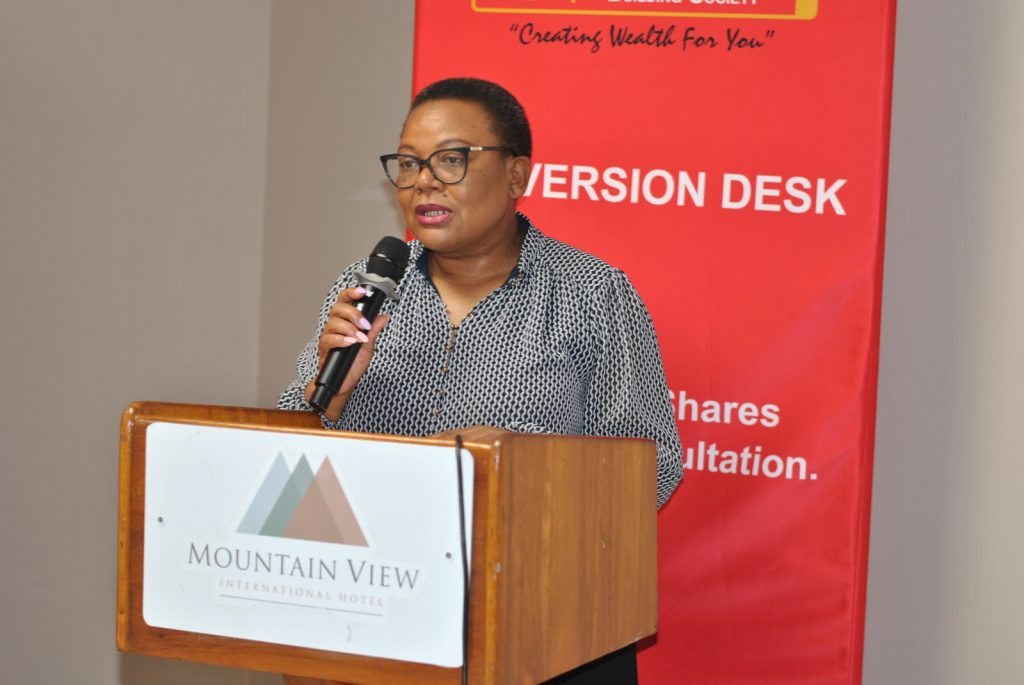
The Swaziland Building Society (SBS) has disclosed that its ongoing transition into a fully developed commercial bank has already cost the institution over E20 million, making it one of the most significant internal investments in its 63-year history.
The expenditure includes consultancy fees, new banking systems, organizational restructuring, and compliance processes required by the Central Bank of Eswatini (CBE).
Speaking during a breakfast meeting with the Swaziland Editors Forum, SBS Managing Director, Mbali Sibanyoni, said the funds were spent over several years as SBS intentionally prepared itself for entry into the commercial banking sector. She emphasized that although the process has been “a long and costly journey,” the organization remains within budget.
Sibanyoni explained that the conversion, which was first started in 2012, needed a significant initial investment in systems like a new core banking platform, digital infrastructure, and extra compliance tools.



“Each year, we start a new budget. I can say it’s over E20 million because of the lengthy process with consultants and the systems we’ve put in place, including our corporate system. It’s genuinely a large amount, but we were intentional about our goals. We won’t spend more as we transition into banking, although a few systems are still planned,” she said.
The MD further noted that while the largest investments have been completed, a few additional systems will still be procured as the bank begins operations. These, however, will not substantially increase the financial burden.
Responding to a question about how many jobs the conversion will create, Sibanyoni said that although the organization is “fully structured” for bank operations, some new roles—such as those supporting SME banking—have been added to enhance the bank’s competitiveness.
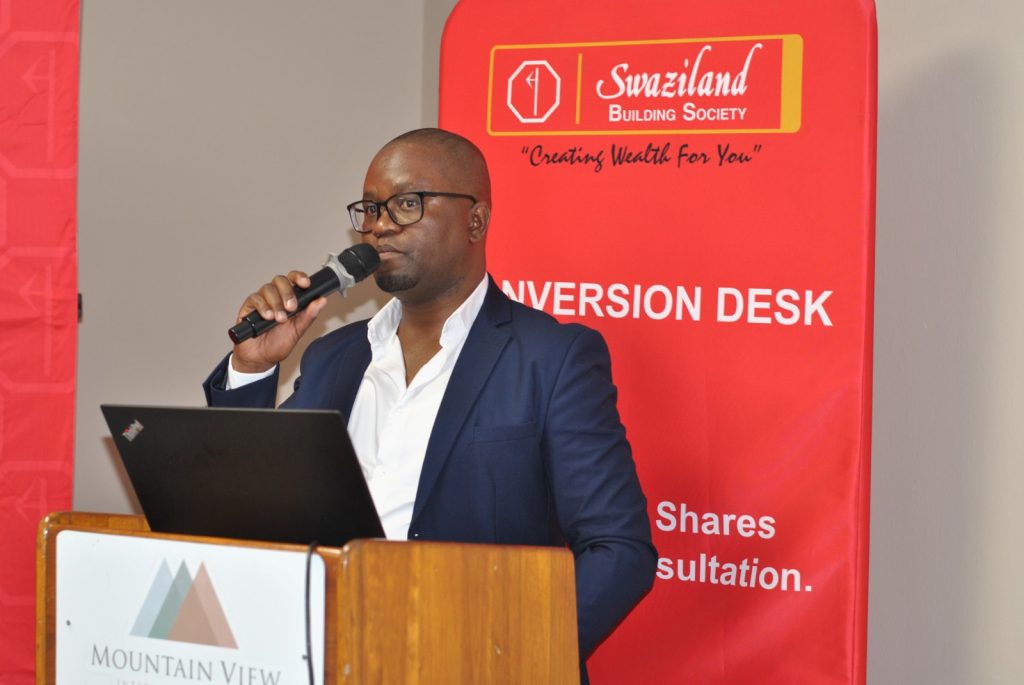
The MD added that they have appointed new executive members to oversee digital systems and distribution channels.
“We specifically structured ourselves for the banking sector,” she said. “Our positions align with what the bank will look like. A few new roles will be added, especially in areas like SME banking, which we weren’t focusing on before. Some roles were filled internally to prepare us for this moment.”
Despite the heavy investment, SBS said it remains confident that the transition will strengthen financial inclusion, expand product offerings, and allow the bank to compete as a medium-sized institution based on balance-sheet classification under CBE’s regulatory framework.