
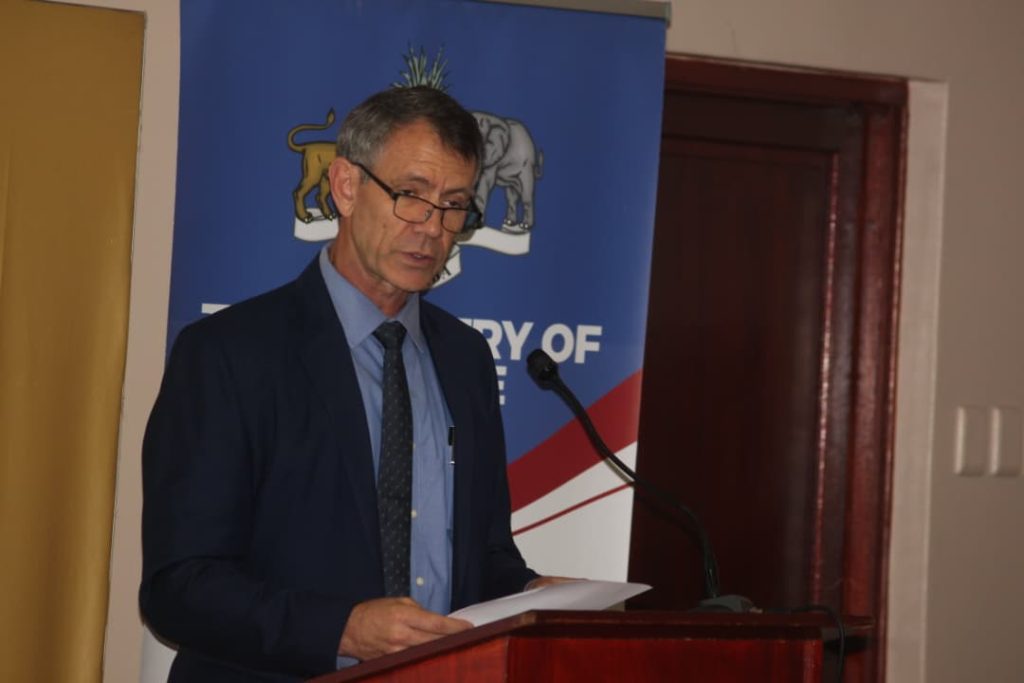
The Minister of Finance, Neal Rijkenberg, has declared technology as Eswatini’s strongest ally in the fight against corruption, revealing that digital systems are already reducing waste, closing loopholes, and transforming governance.
Speaking during the launch of the National FinTech Strategy 2025-2030 at the Royal Villas on Thursday, the Minister said the country is “finally turning the tide” through automation, transparency, and digital controls.
Rijkenberg said the move to technology-driven systems is more effective than enforcement that is solely punitive, arguing that corruption flourishes where manual processes, paperwork, and discretion dominate public administration.
“Honestly, technology is our ally in fighting corruption,” he said. “With technology, we can address this without resorting to the baseball bat approach of chasing people with the ACC. The system itself gets the job done.”
One of the clearest examples, he noted, is the government’s new digital fleet-management system, which tracks driver identity, fuel consumption, trip mileage, and vehicle movement in real time. The Minister revealed that fuel expenses have decreased by 40% since the automated controls were implemented.



“With the system, we know exactly who is driving these vehicles, how far they travel, and how much fuel they legitimately need,” he said. “Once the system was rolled out, the savings were immediate.”
Rijkenberg confirmed that the rollout of the Integrated Financial Management Information System (IFMIS) is replacing the long-criticized paper-based processes that previously allowed delays, file disappearances and alleged bribery.
“There is not a single piece of paper in IFMIS. It shows exactly who has which document and how long they’ve held it,” he said.
The system automatically flags delays: green if processed within two days, then yellow, then orange, and finally red if overdue. “With this, work no longer depends on who feels like moving a file,” he added.
In another major reform, the Minister said new legislation expected to pass in the Senate will grant the Central Medical Stores (CMS) full autonomy, enabling the rollout of a digital traceability system for medicines. This system will track medical supplies from CMS to regional stores, hospitals, dispensaries, and ultimately to the patient, eliminating long-standing leakages.
Currently, there is no connection between these stages,” he explained. “Once the system is operational, if something vanishes, it’s obvious where and who was responsible.
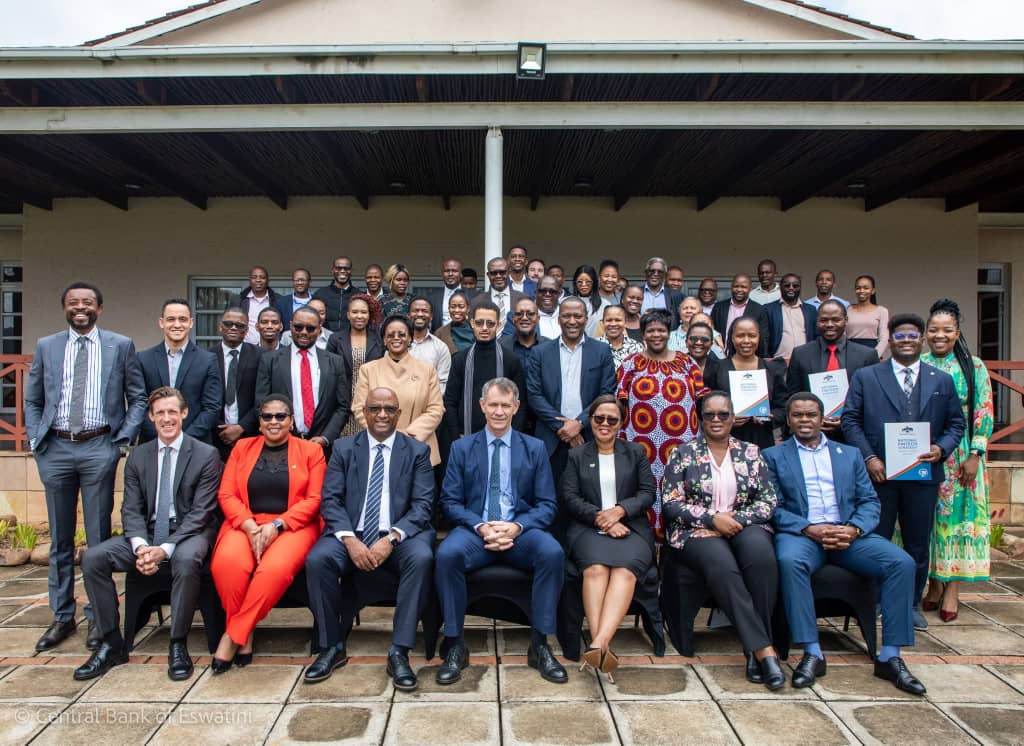
Rijkenberg said that the broader digital transformation of government is closely linked to the country’s anti-corruption efforts. He called on regulators, FinTech companies, ICT specialists, and development partners to support government systems, especially during technical glitches.
“These systems only work if we all work together,” he said. “If experts in this room step in when technology stalls, we can keep the reforms moving.”
The Minister described the National FinTech Strategy as the blueprint for a more transparent and accountable public sector, emphasising that technology will not only modernise financial services but also transform the way government manages resources.
“Technology gives us a chance to run government on systems, not on personal discretion,” he said.
a