
By WeNkosi Khumalo
When the Eswatini National Provident Fund (ENPF) first announced plans to convert the country’s long-standing lump-sum provident fund into a universal, two-tiered national pension scheme, the reaction across boardrooms, factory floors, and recreation halls was not what many predicted. Whilst there were some pockets of concern, the growing sentiment has been something closer to relief, even optimism.
And behind that growing confidence is the intentional, strong, and interactive engagement of various stakeholders by the ENPF, also known as Lidlelantfongeni. The revitalized Lidlelantfongeni brand has established itself through openness, consultation, and digital transformation.
The proposed conversion from a defined contribution provident fund to a national defined benefit pension fund marks a pivotal moment in the organisation’s commitment to ensuring the long-term financial security and dignity of all citizens in retirement. This is more than a technical adjustment; it is a foundational step towards building a more secure future for every working individual and their family.
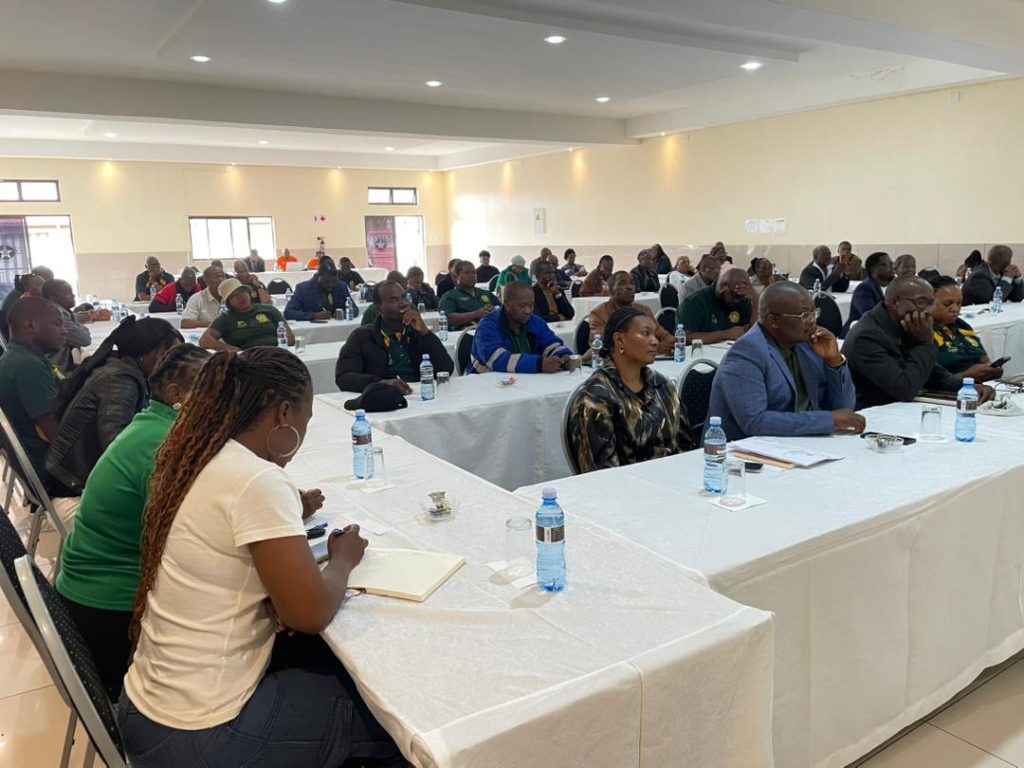
The ongoing nationwide education and input-gathering campaigns aim to involve the community in this nationally important project.
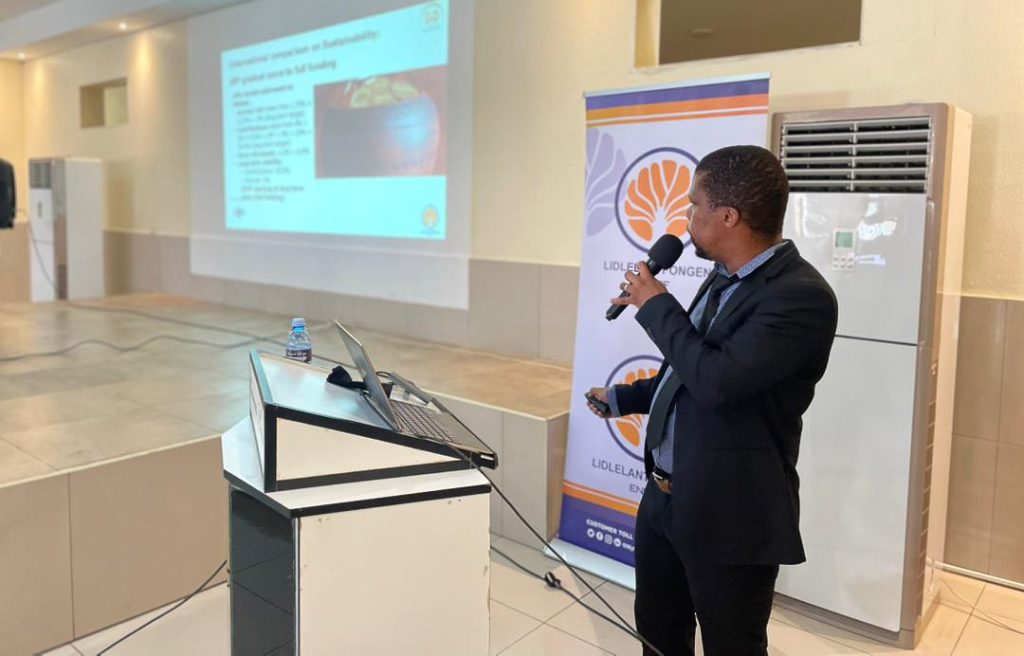
“We are proud to report that these efforts are met with strong, highly engaging dialogue, demonstrating a shared commitment to the future of national retirement planning,” says ENPF Conversion Specialist Miccah Nkabinde.
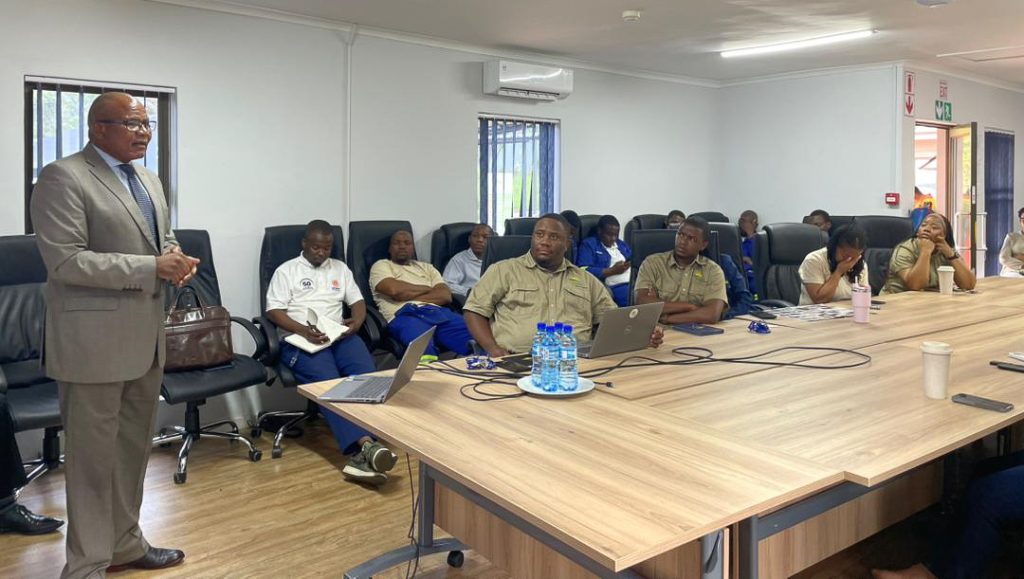
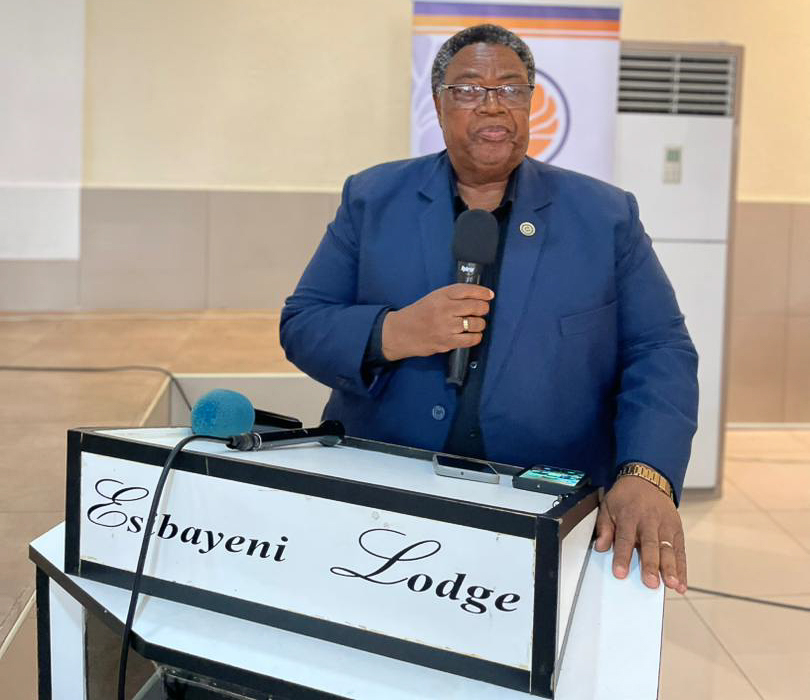
Across the landscape of private sector giants, labour federations, public institutions, and growing SMEs, ENPF’s outreach team, led by Nkabinde, has spent months engaging stakeholders face-to-face.
It is a shift that has stirred debate, sparked curiosity, and, perhaps most surprisingly, won support from workers, businesses and the organisations that sit at the heart of the economy.
But behind the policy papers, actuarial models, and legislative drafts lies a compelling human story. The story of everyday workers who fear outliving their savings, employers grappling with modern compliance systems, and national institutions calling for a retirement model that matches the country’s future ambitions.
The National Pension Pivot and Why This Moment Matters
For years, Eswatini has relied on a provident fund model that hands members a single lump-sum payment at retirement. It has been familiar, predictable, and, according to the Fund’s internal research, financially dangerous.
“Most people exhaust a lifetime of savings within three to five years,” explains Nkabinde. “We’ve listened to heartbreaking stories from pensioners who run out of money long before their old age runs out. The new pension model is designed precisely to end that.”
The ENPF’s proposed conversion replaces the “one cheque and goodbye” arrangement with a lifetime monthly pension, stable, inflation-adjusted, and aligned with international social security standards, such as the ILO Convention 102.
This change is not merely technical. It is deeply human.
It touches a sugarcane cutter in Simunye worried about sending children to school, a civil servant preparing for retirement after 40 years, and an entrepreneur in Mbabane who wants assurance that employees and the businesses they sustain can stand on a safer financial foundation.
A Nationwide Conversation as Key Stakeholders Step Forward
The ENPF has quietly mounted one of the most expansive public engagement exercises in its history. The consultations span unions, business federations, private companies, and public institutions.
The organisations engaged include:
Worker Representative Bodies
• Amalgamated Trade Union of Swaziland (ATUSWA)
• Swaziland Union of Financial Institutions and Allied Workers (SUFIAW)
• Federation of Swaziland Trade Unions (FESWATU)
Employer Representative Bodies
• Federation of Eswatini Business Community (FESBEC)
• Business Eswatini (BE)
Key Institutional Stakeholders
• Swaziland Building Society (SBS)
• Motor Vehicle Accident Fund (MVAF)
• Eswatini Posts and Telecommunications Corporation (EPTC)
• Ezulwini Municipality
Private Sector Organisations
• Fashion International (Pty) Ltd
• Fidelity Services Group
Their consensus?
Eswatini needs this conversion, and it is “long overdue.”
The Concerns: Valid Questions, Serious Answers
Stakeholders didn’t hold back. They questioned everything from member consultations to the future of voluntary savings and the position of civil servants already under the PSPF.
Their questions carried weight. Their answers carried even more.
Why convert at all?
Because a lump sum is mathematically unlikely to sustain a retiree for decades, a pension can.
Why not allow voluntary membership?
Because voluntary schemes collapse under the weight of “adverse selection,” draining the system of the young and healthy and destabilising pension payouts.
“Retirement security is a national obligation, not an optional lifestyle choice,” says Nkabinde. “We must build a system that protects everyone, especially those least equipped to protect themselves.”
Why include civil servants already in PSPF?
Because many government workers—especially casual and contract staff—fall through the cracks. And actuarial modelling shows that being part of both the PSPF and the NPF actually leaves civil servants better off, not worse off.
Will members lose their supplementary contributions?
No. They will be protected, kept intact, and incorporated into the new system.
At consultations across the country, workers often expressed a fear that is rarely documented in actuarial spreadsheets. “What happens if my money runs out before I do?”
That fear has defined the emotional core of this national discussion. And business leaders, often portrayed as sceptics, have been among the strongest supporters.
A representative from Business Eswatini put it simply at one session:
“Businesses do not thrive in societies where old-age poverty becomes a national burden. This reform is the responsible thing to do.”
From FESBEC, the sentiment was similar:
“We need a system that protects both workers and employers from future financial shocks. This is a long-term investment in our human capital.”
INSIDE THE LIDLELANTFONGENI EFFECT: TRUST, TRANSPARENCY AND TECHNOLOGY
Much of the public’s openness to the conversion stems from the ENPF’s broader transformation under the Lidlelantfongeni Brand, which has pushed digital innovation, accessibility and transparency.
The ENPF now runs on a digital backbone that makes contributions easier to file, track and verify than ever before.
Nkabinde captures the mood aptly when he says that when people can see their records on their phones, track their contributions, and interact with the Fund in real time, they gain confidence.
“Digital transparency creates trust—and trust makes big reforms possible.”
Delays and Disappointment: A Quiet Note of Pain
Not everyone is celebrating.
Some older workers worry that delays in finalising the legislation have left them outside qualifying thresholds, particularly the 180-month minimum contribution rule.
ENPF acknowledges this concern openly.
“These stories break us,” Nkabinde says. “The system must be fair. And fairness requires speed. The public has given us a clear mandate: finish the job, and finish it now.”
The Verdict: A Country Ready to Move
After months of dialogues, presentations and tense debates, a picture has emerged:
Eswatini’s workers, businesses and institutions overwhelmingly believe the NPF conversion is necessary, overdue and ultimately transformative.
It is not a bureaucratic exercise.
It is a recalibration of national dignity, security, and economic stability.
And as Nkabinde reflects,“A pension is not just a payment. It is the quiet promise a nation makes to its people, that no one will face old age alone.”
Why the Shift? Poverty, Not Policy, Was the Real Trigger
Behind ENPF’s push is a stark observation that the lump-sum system is failing real families.
Time and again, retirees find their once-off payouts exhausted within a short period, leaving them financially vulnerable. By contrast, the proposed National Pension Fund promises a lifetime pension; a dependable, inflation-sensitive income that doesn’t disappear after a few months.
A trade union leader described it as “a move from luck to dignity.”
An employer added that the conversion is not just policy; it is families protected, dependents protected, and dignity protected.”
One of the most persistent questions raised in the public domain was simple: “Were we ever consulted?”
In reality, the conversion has taken a decade to develop, formed through government-labour-employer forums and ongoing technical reviews. The current national campaign is the final stage, bringing the details directly to the individuals who matter most. That is the workers and employers themselves.
A private-sector executive who attended the sessions said the platforms were the most open they have ever seen.
“The team answers every question directly with no hiding, no dodging,” he said.
What It Means for Civil Servants
Some eyebrows were raised at the idea of including civil servants in the National Pension Fund, given that they already participate in the occupational pension scheme, specifically the Public Service Pension Fund. However, actuarial evidence presented during the discussions revealed that civil servants would actually earn more over their careers through a dual system than by relying solely on the PSPF.
Moreover, contract and casual government workers, who have historically been excluded, would finally receive retirement protections.
One municipal representative called it “a levelling of the playing field.”
Calls for a voluntary opt-out were gently but firmly explained as unworkable. The reason?
If participation becomes optional, the entire system collapses.
Social security works only when everyone contributes, ensuring solidarity across income levels and generations.
A young HR officer who attended one of the information sessions put it well when she said it is like asking only sick people to buy medical aid. It does not work.
“We need everyone in the pool so no one falls through the cracks.”
Meanwhile, for long, the private sector has been cautious about pension reform. But in recent months, many business leaders have signalled strong support, recognising the value of a stable, inclusive retirement scheme for employees, and the broader economy.
A prominent executive at Business Eswatini said that a national pension fund is not just beneficial for workers; it also strengthens businesses and stabilizes the economy. When people know they can retire securely, they worry less, produce more, and plan better.
ENPF’s impressive 2025 results declaring a record 10% members’ interest and posting an operating surplus of E631.2 million have reinforced confidence in the Fund’s readiness to expand.
“Stewards of trust,” said one board member, “this Fund belongs to its members. Our duty is to protect and grow it.”
With the private sector nodding in approval, the reform begins to look less like a government imposition, and more like a shared national project.
Challenges, Critics, and the Road Ahead
Though enthusiasm is rising, the conversion has drawn scrutiny.
“No major social reform comes without questions or concerns. But our commitment is to transparency and fairness, and to ensuring no one is left behind in this process,” Nkabinde says.
The next step is crucial, and it is the road towards the passage of the conversion Bill in Parliament, informed by this nationwide dialogue, and the final design of a pension system that balances sustainability, inclusivity, and dignity.
Against that backdrop, at its heart, the ENPF conversion is not just about shifting models or adjusting formulas. It is about changing lives, of workers, retirees, families, and communities. It is about giving emaSwati reason to believe that hard years of labour will not end in uncertainty, but in security.
As Nkabinde puts it, aptly Lidlelantfongeni does not seek to rewrite laws.
“We are not writing laws. We are writing our future together.”
And now, with the private sector investing its weight, workers lending their voices, and ENPF steering with transparency, Eswatini is on the threshold of a social-security transformation worthy of its promise.