
By Tlalane Dlamini
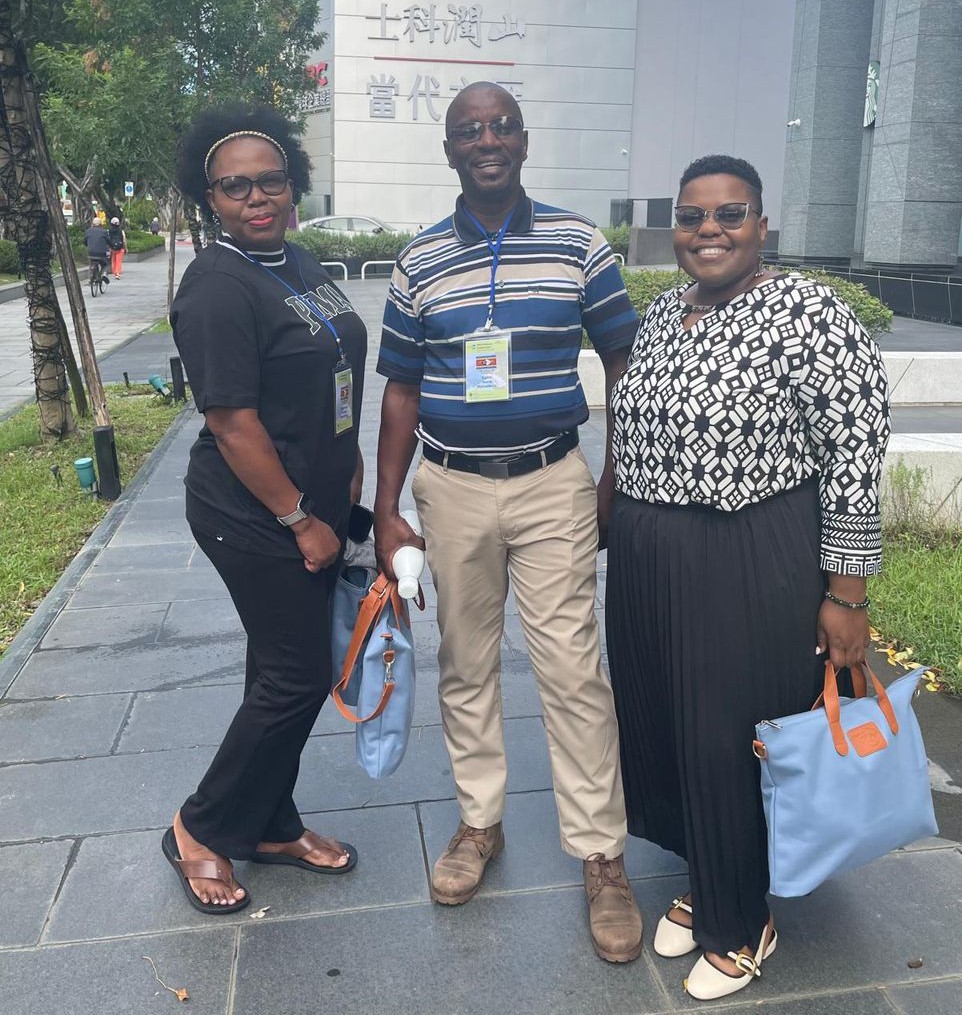
Three Eswatini officials are in Taiwan this week, participating in the prestigious TaiwanICDF Workshop on Eco-Tourism, a strategic move by the Kingdom to bolster its burgeoning tourism sector with a focus on environmental and cultural sustainability.
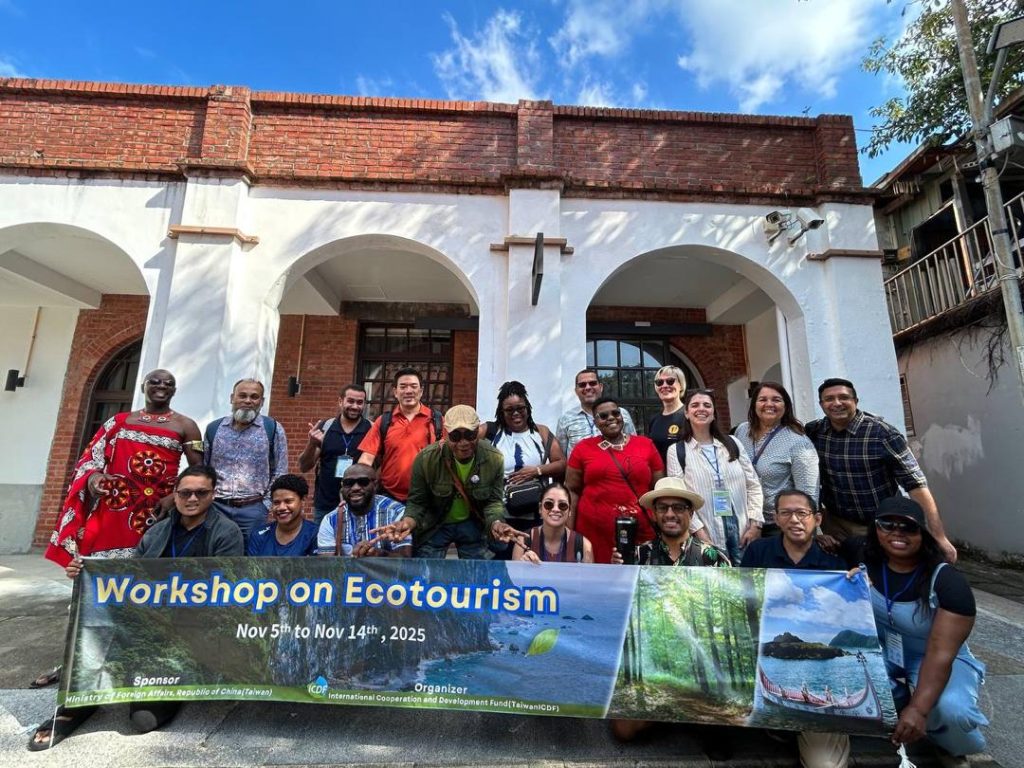
The workshop, running from November 5-14, 2025, is focused on sharing Taiwan’s best practices in developing sustainable ecotourism.
The officials drawn from key government bodies were selected for their crucial roles in product development, conservation, and environmental management.
The delegates are Tengetile Valerie Nxumalo, Product Development Manager from the Eswatini Tourism Authority; Temahlubi Dudu Nkambule, National Monument Officer from the Eswatini National Trust Commission; and Sipho Nana Matsebula, Ecologist and Land Management Officer from the Eswatini Environment Authority.
This multi-sectoral representation underscores Eswatini’s holistic approach to integrating economic development, cultural preservation, and ecological integrity.
The workshop is a deep dive into Taiwan’s experience with eco-tourism, focusing on two critical areas: the involvement of indigenous aboriginal communities in tourism ventures and the successful harmonisation of tourism and ecosystem protection.
From a business perspective, the workshop offers Eswatini the opportunity to learn models that transform natural and cultural assets into sustainable, high-value tourism products. Taiwan has successfully leveraged its natural landscapes and the unique cultures of its aboriginal communities to create niche markets that attract high-spending, environmentally conscious travellers.
The core challenge for Eswatini is to transition from traditional wildlife and cultural tourism to a genuine ecotourism offering that ensures a significant portion of the revenue directly benefits the local communities who serve as custodians of the land and heritage.
The inclusion of Temahlubi Dudu Nkambule is of particular significance. As the National Monument Officer from the Eswatini National Trust Commission (ENTC), the custodian of Eswatini’s cultural and natural heritage—her participation ensures that the development of new ecotourism products is rooted in preservation. Nkambule will focus on models for sustainable utilisation of national monuments and historical sites, preventing degradation while generating income. Her goal is to bring back policies for cultural tourism that directly link economic success to the integrity and authenticity of Eswatini’s cherished heritage.
Nxumalo’s participation is particularly vital as the Product Development Manager will be tasked with applying these new concepts to Eswatini’s market, creating tours that are not only appealing but also certifiably sustainable. The lessons on community-inclusive models will be essential for developing new local enterprises and diversifying the country’s tourism value chain, creating jobs, and injecting capital into rural economies.
Sipho Nana Matsebula, the Ecologist, will gain insights into the rigorous environmental management systems Taiwan employs to prevent ecological degradation from tourism activities. His role in translating Taiwanese environmental best practices into Eswatini’s policy framework will be crucial for maintaining the country’s pristine natural appeal, which is the cornerstone of its tourism brand.
Commenting on the significance of the exchange, John Lai, Second Secretary at the Taiwan Embassy, stated: “This workshop is a testament to the enduring partnership between Taiwan and the Kingdom of Eswatini. We are proud to share our successful models of eco-tourism, especially those that empower our indigenous communities. We believe the Eswatini delegates will gain practical, implementable knowledge to develop a robust, community-led, and environmentally sustainable tourism economy in the Kingdom.”
Ultimately, the workshop is a strategic investment in human capital aimed at future-proofing Eswatini’s tourism industry. By embedding the principles of sustainability and community partnership into its core, Eswatini is positioning itself to attract responsible investment and secure long-term, inclusive economic growth through tourism.
The knowledge brought back by the three officials is expected to inform new national policies and directly influence future public and private-sector tourism ventures.