
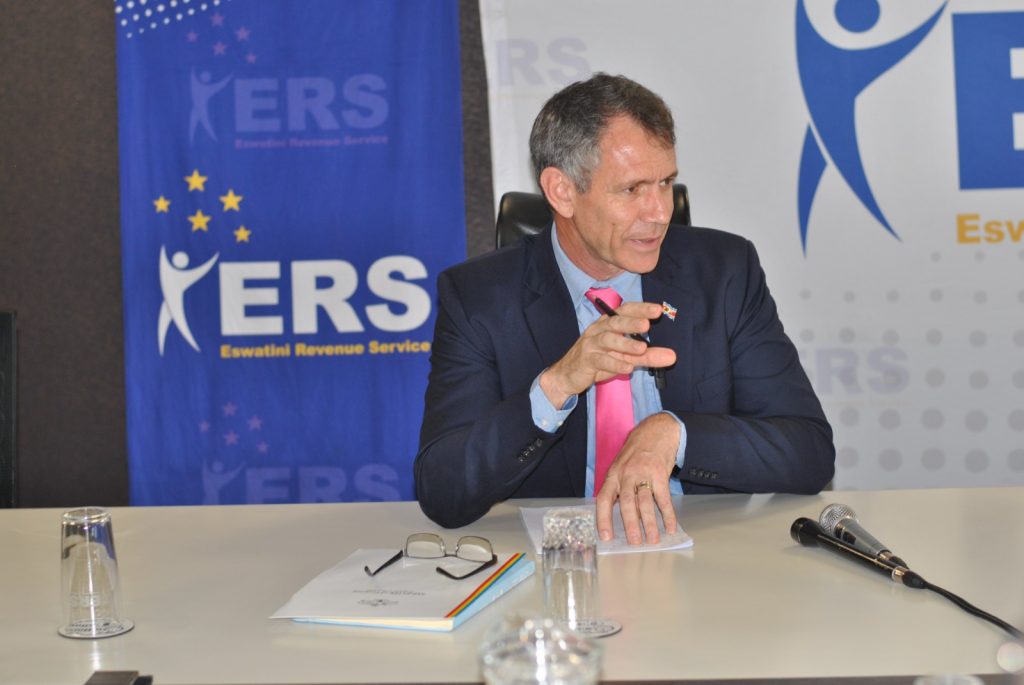
The Eswatini Revenue Service (ERS) has officially launched the 2025 Income Tax Filing Season and introduced a robust Compliance Improvement Plan (CIP) aimed at closing the country’s E4.4 billion tax gap and strengthening the culture of voluntary compliance across all sectors.
The launch event, held at the ERS Headquarters in Ezulwini earlier today was graced by the Minister of Finance, Neal Rijkenberg, who commended the ERS for its continuous efforts to modernize tax administration and improve transparency.
“This year’s filing season is launched under the theme ‘Doing Your Part Matters’,” said Minister Rijkenberg. “This theme reminds us that every taxpayer, whether an individual or a business, has an essential role to play in building our nation. Paying tax is not just a legal obligation; it is a civic responsibility.”
He emphasized that the taxes collected are essential for the delivery of public services such as healthcare, education, infrastructure, and social welfare, emphasising that “through your contribution, classrooms are built, hospitals are equipped, roads are maintained, and vulnerable communities receive support.”
The Minister announced that the key deadlines for the 2025 filing season are 31 October 2025 for companies and business associations, and 30 November 2025 for individuals including Company Directors, Members of Parliament, individuals with multiple income sources, trustees, and other persons required to file.
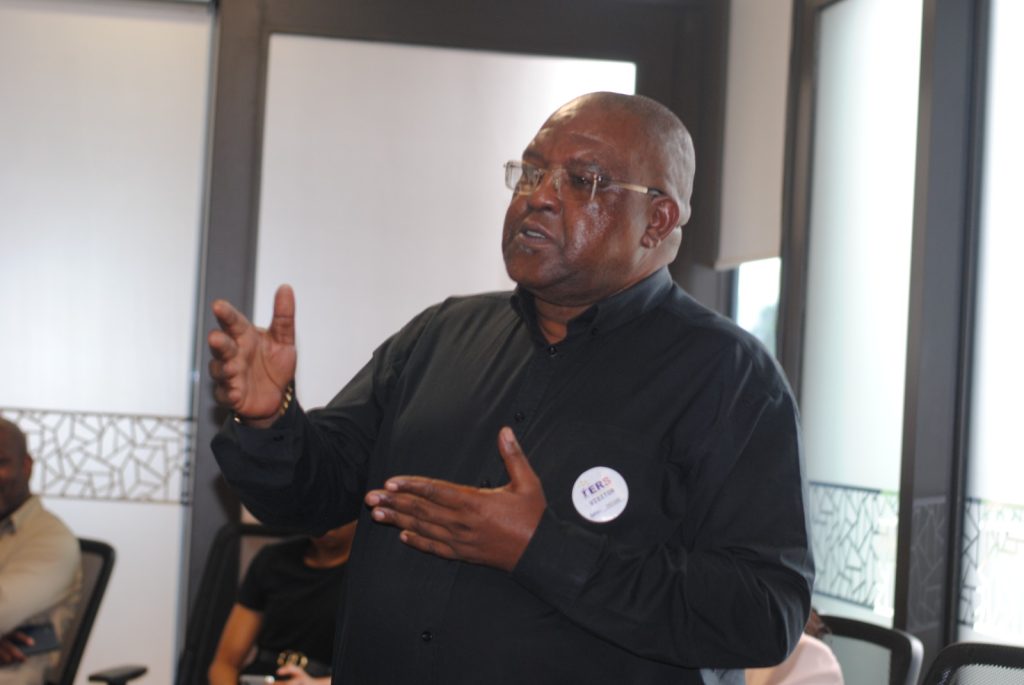
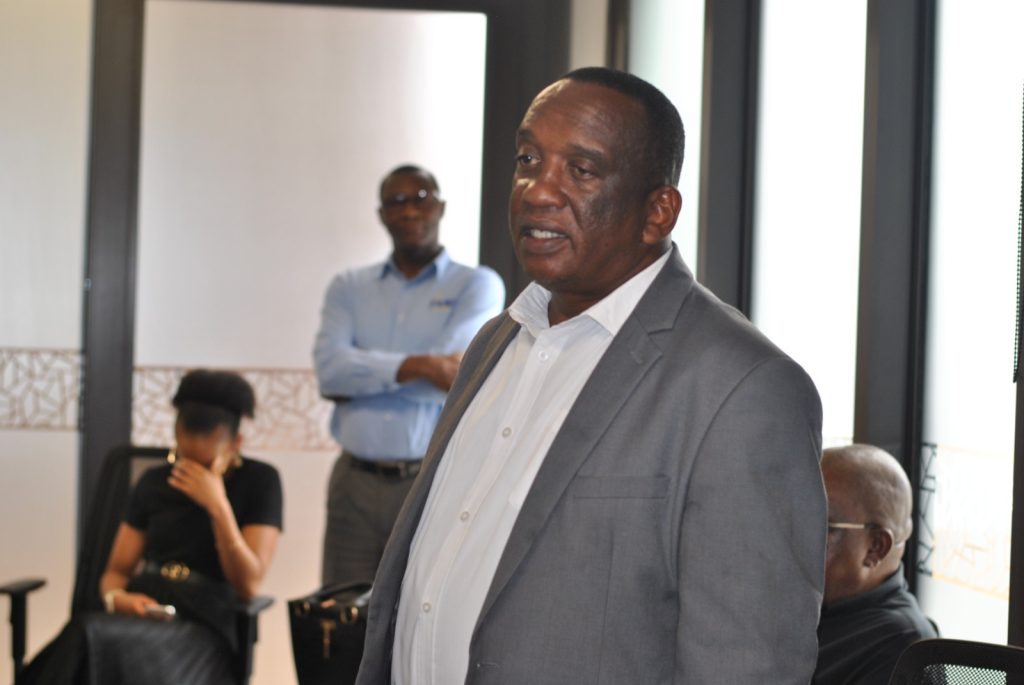
He reminded exempt organisations like NGOs, charity bodies, churches, cooperatives, and educational institutions that they are also expected to apply for exemptions annually, submitting their financials and founding documents to the ERS.
To make compliance easier, the ERS has continued expanding its digital filing platforms such as TaxEase and the ERS TaxPal App, enabling taxpayers to submit returns conveniently from anywhere, at any time. “We encourage taxpayers to use these digital tools and avoid the last-minute rush that often leads to errors or penalties,” Rijkenberg said.
A key highlight of the launch was the presentation of the ERS’s Tax Gap Analysis, which revealed an estimated E4.4 billion in unpaid or undeclared taxes. The analysis identified Value Added Tax (VAT) as the largest area of non-compliance, accounting for about E1.3 billion, with the Wholesale and Retail sector contributing the most to this shortfall at around E600 million. Other sectors with notable compliance gaps include Manufacturing (E305 million) and Construction (E127 million).
“These findings indicate that while progress has been made in certain areas, there are still systemic challenges in others,” the Minister said. “Some businesses continue to operate informally or under-declare their income, which creates unfair competition for compliant taxpayers and deprives the government of vital revenue.”
ERS Commissioner General Brightwell Nkambule outlined the Compliance Improvement Plan (CIP), a comprehensive framework designed to strengthen compliance through education, engagement, innovation, and enforcement.
“Our goal is to build trust, simplify compliance, and enforce fairness,” he stated. “Through the CIP, we are investing in technology, expanding taxpayer education, and improving our audit capacity to close the gap across all sectors.”

Among the key initiatives highlighted were:
• Taxpayer education through the Bafundzise Door-to-Door campaign
• Enhanced client relationship services under Sondzela Sikhulume to ease taxpayer burden and promote dialogue
• Special VAT audits, supported by experts from East Africa who will be contracted in December
• Digital transformation, including a fiscalisation system that links cash registers directly to ERS databases for real-time VAT data
Nkambule stressed that the ERS will maintain a balanced approach, encouraging voluntary compliance while enforcing laws against deliberate non-compliance.
Addressing stakeholders, including business associations, churches, NGOs, and directors of companies to play an active role in promoting tax awareness and accountability.
“This collective action will help us achieve a more transparent and resilient Eswatini,” he concluded.