
By Tlalane Dlamini
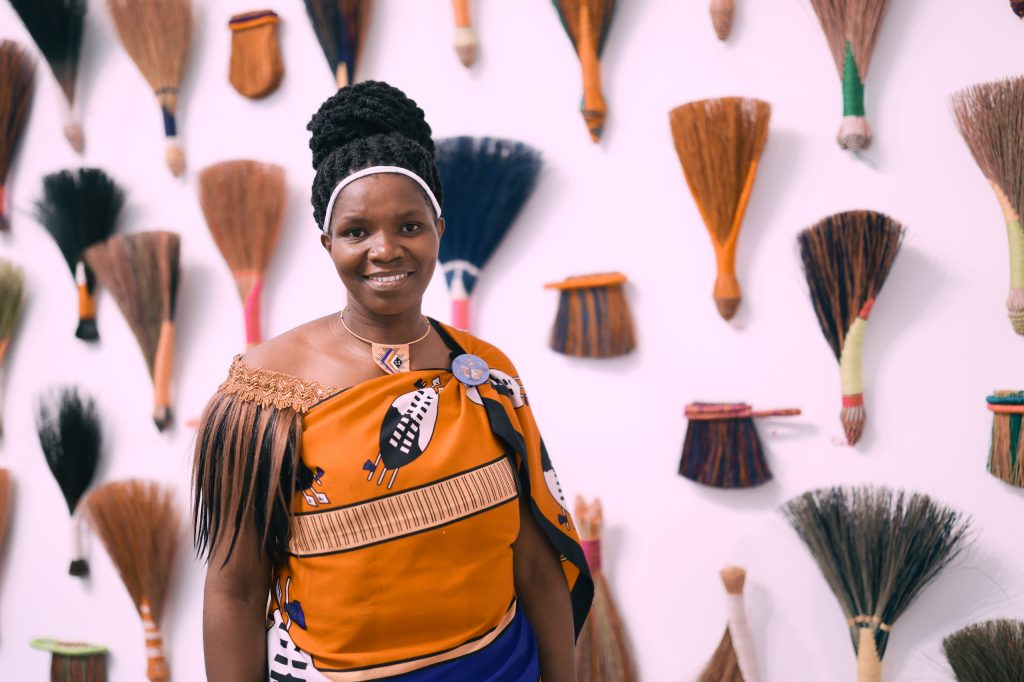
Following Eswatini’s remarkable showcase at the 2025 Paris Design Fashion Week, the European Union (EU) and the International Trade Centre (ITC), in collaboration with the Government of Eswatini and Alliance Française, are set to present the Indalo Exhibition — an exclusive display of Eswatini’s artistry, innovation, and sustainable design.
The exhibition will run from October 25 to November 6, 2025, at Alliance Française, Mbabane, and will highlight the creative outcomes of partnerships between Eswatini’s Micro, Small, and Medium-sized Enterprises (MSMEs) and European designers.
Driving Growth Through Creative Alliances
The Indalo Exhibition is part of the ongoing “Eswatini: Promoting Growth Through Competitive Alliances” programme, a joint EU–ITC initiative implemented with the Eswatini Government. The programme seeks to strengthen inclusive trade, stimulate creative entrepreneurship, and position Eswatini’s artisans within competitive global markets.
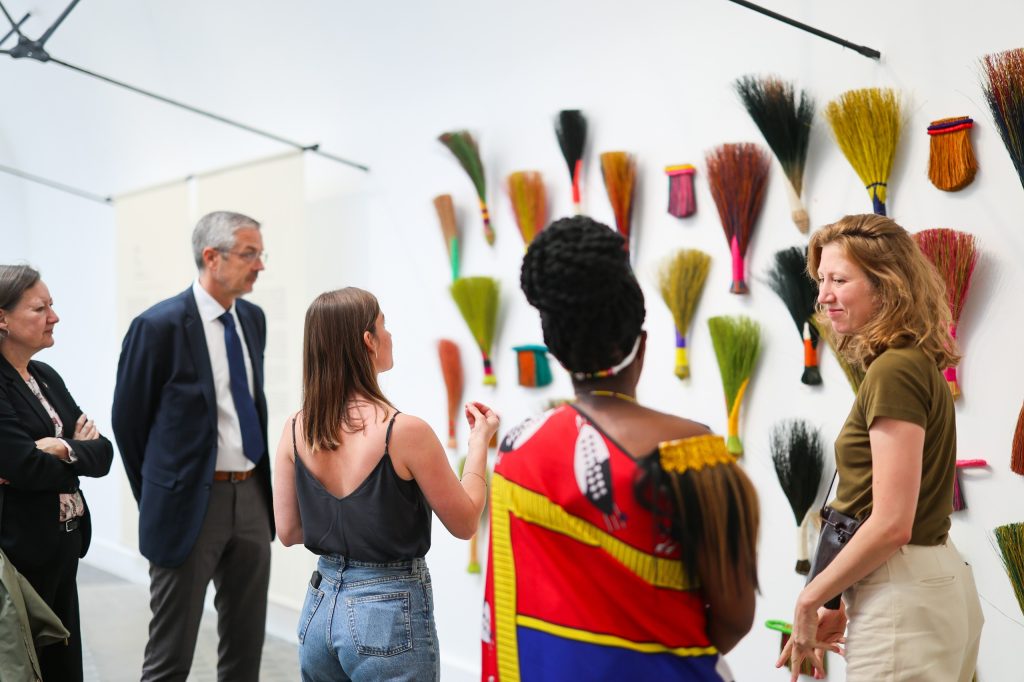
Eswatini’s creative enterprises have gained global recognition after their joint presentation with European designers at the Paris Design Fashion Week earlier this year. Their innovative co-created works attracted international attention and were viewed by high-profile guests including EU Ambassador to Eswatini, Karsten Mecklenburg, and France’s First Lady, Mrs. Brigitte Macron.
Building on this success, the Indalo Exhibition aims to bring the Paris experience home, enabling Eswatini’s public, creative professionals, and business stakeholders to interact directly with the pieces that impressed global audiences.
Celebrating Creativity, Sustainability, and Partnership
Speaking ahead of the exhibition, EU Ambassador Karsten Mecklenburg emphasised the strategic importance of creative industries in strengthening EU–Eswatini collaboration and driving sustainable economic development.
“The Indalo Exhibition is a celebration of creativity, sustainability, and partnership. It demonstrates how collaboration between Eswatini’s artisans and European designers can transform local craftsmanship into global opportunities,” he said.
“Through initiatives like this, the EU reaffirms its commitment to empowering MSMEs, promoting cultural exchange, and supporting sustainable livelihoods that value both people and the planet.”
Empowering Local Artisans
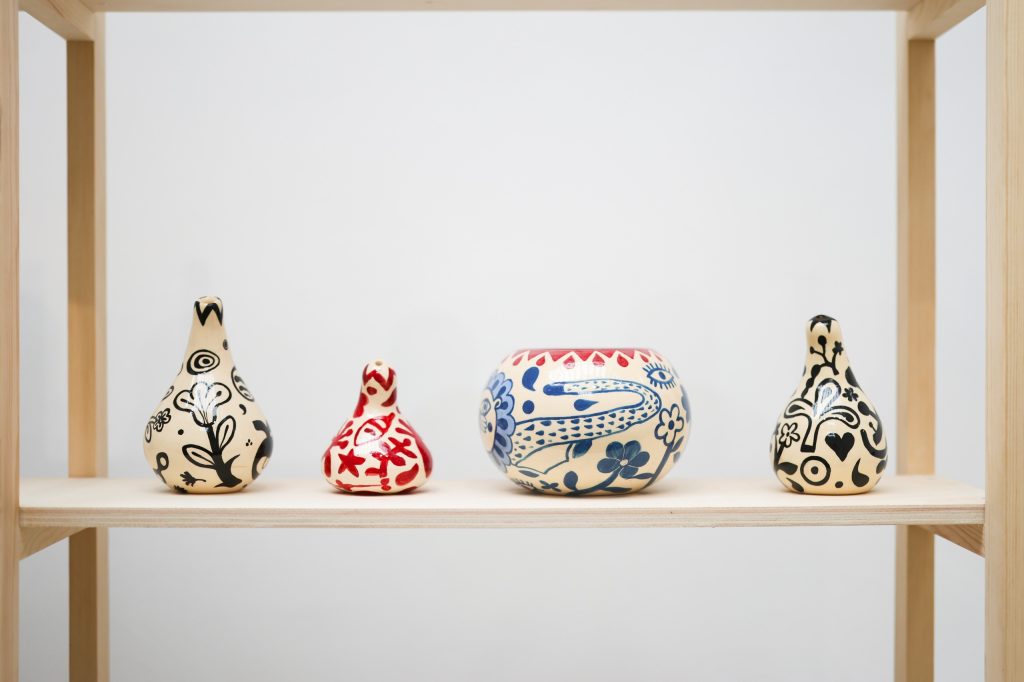
The exhibition’s name, “Indalo” — meaning both “nature” and “to create” in siSwati — reflects its dual focus on environmental sustainability and cultural innovation. Visitors will experience a dynamic blend of traditional techniques and modern design, with opportunities for hands-on participation through interactive workshops such as ceramic painting and basket weaving.
The initiative features co-created works between Eswatini artisans and international designers including:
• Sharon Venancio (Eswatini)
• Asis Percales (Spain)
• Kaja Dahl (Norway)
• Mari Koppanen (Finland)
• Delphine Mériaux & Agathe Pautrot (France)
Participating local collectives include Master Artworks, Malolotja Handcraft, Tintsaba Master Weavers, Siyaphambili Handicraft, Indzaba Yami Handicraft, and Favourite Designs — all known for their distinctive handmade creations that capture Eswatini’s cultural identity.
Strategic Impact on Eswatini’s Creative Economy
The Indalo Exhibition represents more than an artistic showcase; it’s a strategic investment in Eswatini’s creative economy. By integrating traditional craftsmanship with global design networks, the initiative aims to:
• Increase export opportunities for local MSMEs;
• Foster sustainable livelihoods within rural and artisanal communities; and
• Position Eswatini as a regional hub for creative innovation and cultural trade.
Through EU funding and ITC implementation, the initiative continues to align with the United Nations Sustainable Development Goals (SDGs), promoting fair trade, cultural preservation, and environmentally conscious production.