
The government of Eswatini is confident that the country is well-positioned to emerge even stronger in its trade relations with the United States, despite the conclusion of the African Growth and Opportunity Act (AGOA).
In a statement issued this week, the Minister of Commerce, Industry and Trade, Honourable Manqoba B. Khumalo (MP), acknowledged that the end of AGOA presents challenges, particularly for the textiles and apparel sector, which in 2024 accounted for the bulk of Eswatini’s approximately US$70 million in exports under the trade arrangement. However, he stressed that Eswatini has already secured one of the most competitive tariff regimes in the region for the post-AGOA era.
“Under the new trade regime, Eswatini has secured a Reciprocal External Tariff of just 10% on exports to the US. This is the lowest in the region, making Eswatini the most favorable location for US-bound exports compared to our neighbors,” he said.
He added that this advantage is likely to attract new investment and create more jobs, as companies looking for competitive access to the US market may relocate or expand their operations in Eswatini. “We anticipate not a net loss, but rather a net gain in both investments and job opportunities,” he said.


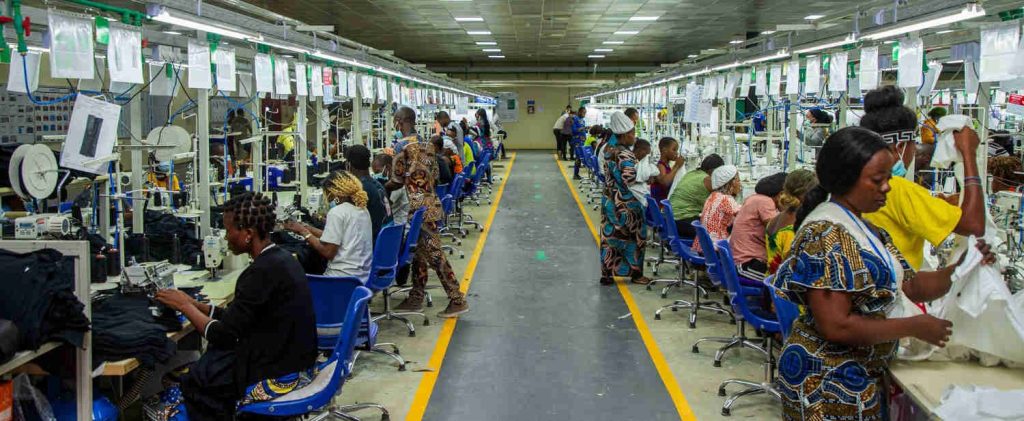
Over the years, AGOA has supported thousands of jobs in Eswatini, particularly within textiles, apparel, and related industries. The government believes that continuing trade with the US, albeit under a 10% tariff, will sustain and potentially increase these opportunities.
In preparation for the possible changes, the Ministry of Commerce, Industry, and Trade has ensured that contingencies are in place. “Should there be any shift away from AGOA, Eswatini’s highly competitive tariff regime is expected to attract even more companies, ensuring that existing factory shells remain in use and continue to drive industrial activity,” Khumalo said.
Furthermore, the government is actively promoting diversification into sectors such as agro-processing, ICT, and renewable energy, which can also benefit from our industrial infrastructure.
The Minister also highlighted that Eswatini is pursuing broader trade strategies to secure long-term growth. These include leveraging opportunities under the African Continental Free Trade Area (AfCFTA) and improving the ease of doing business to attract wider participation in the economy.
“While AGOA’s expiration poses challenges, Eswatini’s proactive negotiations and strategic positioning have created a new landscape in which we are more competitive than ever. We are confident this will translate into new investments, more jobs, and broader economic benefits for all our people,” Khumalo said.