
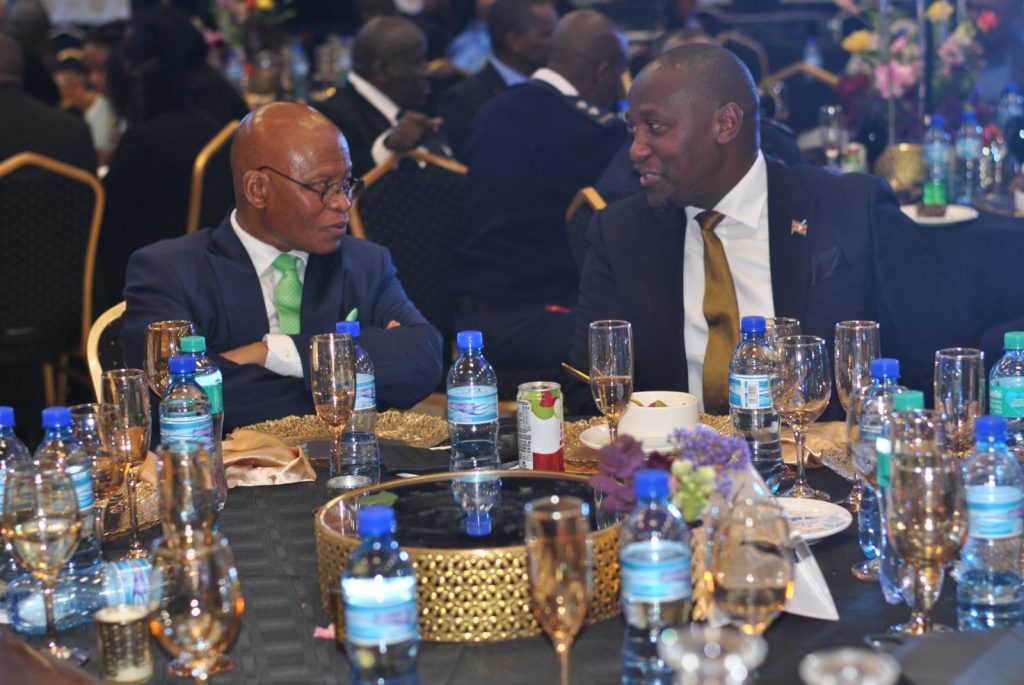
The Eswatini Institute of Accountants (ESIA) Annual Dinner and Graduation Ceremony was more than a celebration of academic and professional milestones – it became a powerful platform for a united call to restore public trust through ethical leadership.
The event, held under the theme “Bridging the Trust Deficit: The Role of Leaders in Rebuilding Public Confidence,” brought together government officials, regulators, captains of industry, graduates, and the wider accounting fraternity.
Speakers included Prime Minister Russell Mkhwanazi Dlamini, the 4th South African Chief Justice – Mogoeng Mogoeng, and ESIA President – Makhosazana Mhlanga, each stressing that integrity, accountability, and responsibility are indispensable for sustainable leadership.
Welcoming guests, ESIA President Makhosazana Mhlanga said the Institute’s recent focus on ethical leadership was no coincidence.
“Leadership without ethics is like a building without a foundation; it may rise quickly, but it will not stand. Across the world, scandals have shown that technical brilliance without ethical grounding leads to collapse,” she said.
She cited the collapses of Steinhoff in South Africa and Wirecard in Germany as stark reminders of what happens when ethics fail.
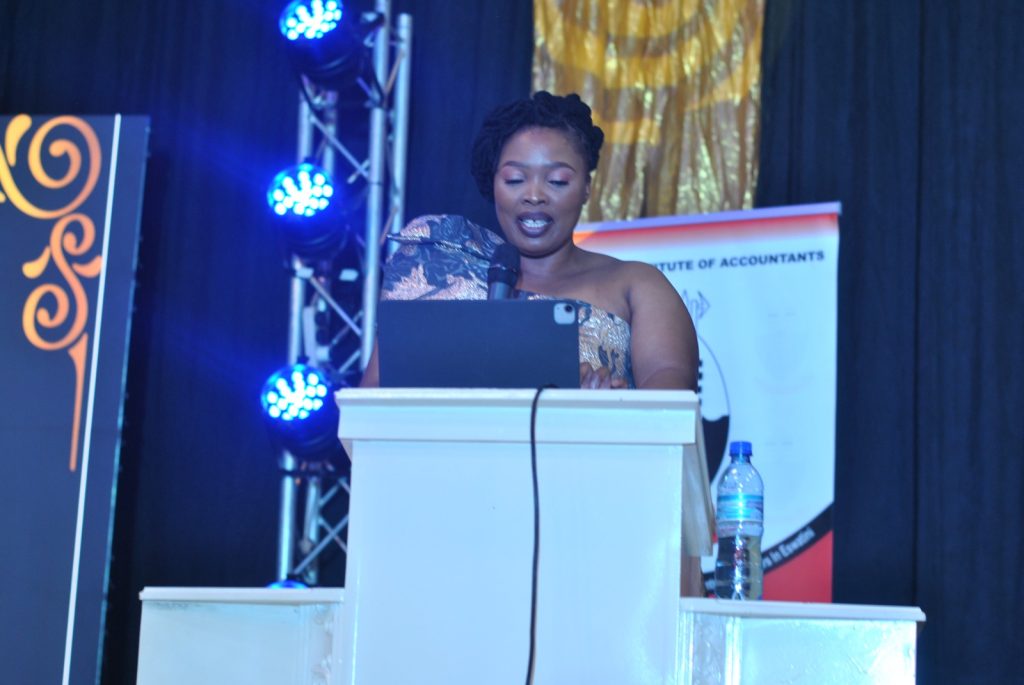
“Trust is destroyed. And without trust, no business, no corporation, and no country can thrive,” Mhlanga warned.
For Africa, she argued, prosperity does not lie in resources but in leaders of integrity.
“Our continent is rich in resources, but what Africa needs are ethical leaders. For Eswatini, ethical leadership is the bridge to stronger institutions and unified public confidence.”
Turning to the graduates, she reminded them that technical skills will open doors, but only values will keep them open.
“You are not just joining a profession; you are carrying forward the responsibility of trust. May you be leaders who do not simply ask? Can I do this? But should I do this? The difference lies in ethical leadership.”
Meanwhile, the PM noted that declining public trust is a global phenomenon, one that threatens economic stability and social cohesion.
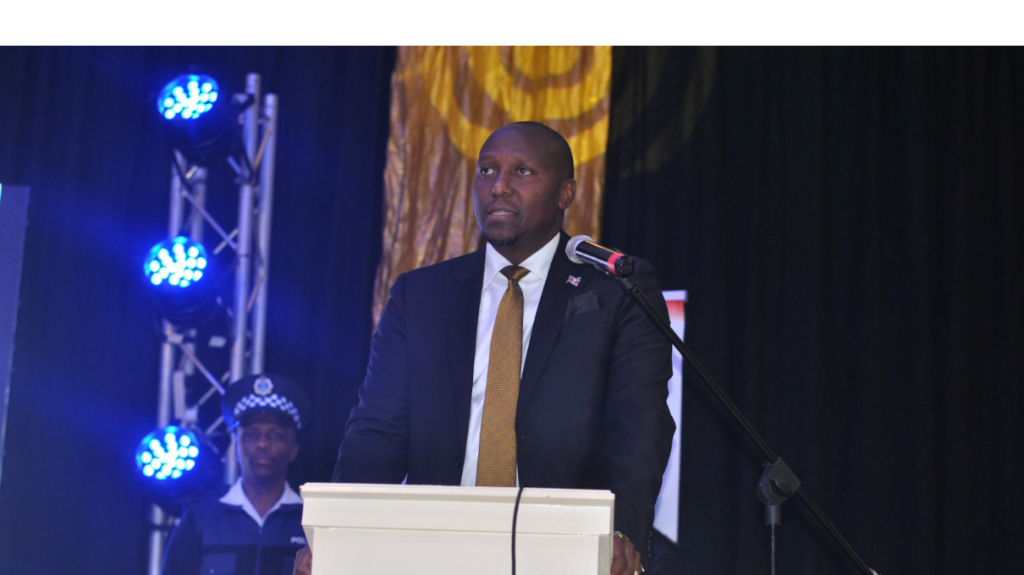
“Citizens are questioning the integrity of institutions due to perceived lapses in accountability, ethical breaches, or failures to deliver on promises. This erosion of trust threatens the stability of our economies and societies. As leaders, we bear the responsibility to bridge this gap, not with words alone, but through actions that demonstrate competence, transparency, and a commitment to the public good,” he said.
He urged accountants and auditors to champion integrity, pointing out that their role in ensuring accurate financial reporting, responsible management of public funds, and adherence to ethical standards is pivotal to investor confidence and sustainable growth.
Dlamini emphasised that bridging the trust deficit requires leaders to live out the principles they advocate.
“Leadership is not just about systems and policies; it is about setting an example. This means acting with integrity, even when it is difficult; communicating with honesty, even when the truth is uncomfortable; and prioritising the public interest above all else,” he said.
Delivering the keynote, Justice Mogoeng Mogoeng captivated the audience with a resolute declaration: “My soul is not for sale. Ethical leadership boils down to an irrevocable commitment to not auction your soul off to the highest bidder in exchange for money, power, praise, or fame.”
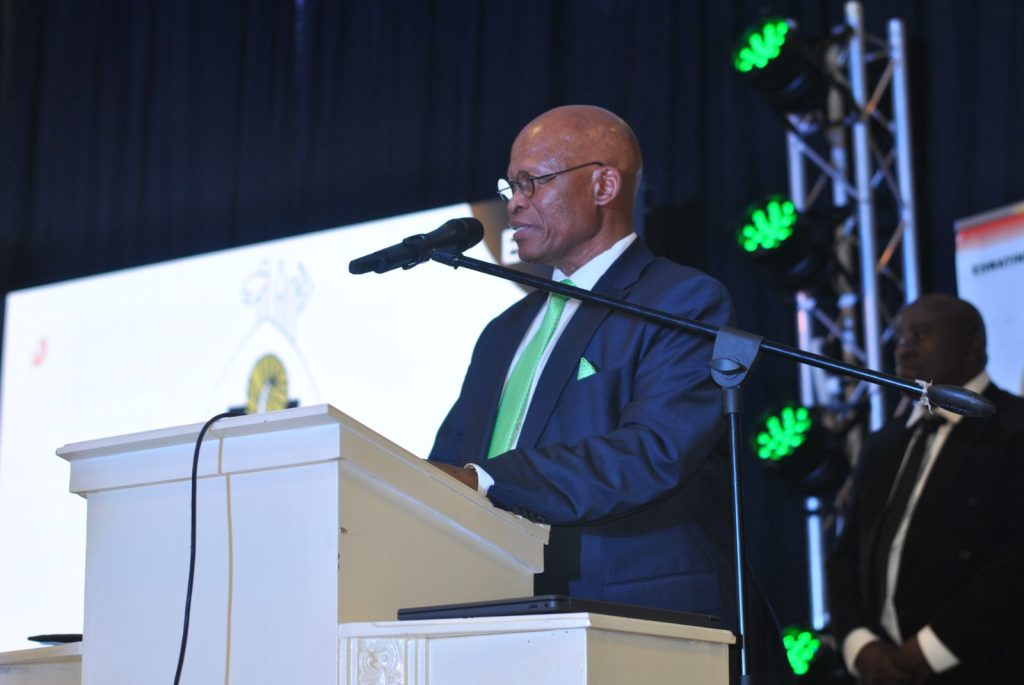
He stressed that character is the bedrock of trust: “Character is who we truly are when no one is watching, whereas reputation is who people think we are. Trustworthiness can only be found where ethics are practiced.”
Justice Mogoeng Mogoeng acknowledged that ethical leadership comes at a price, often attracting resistance or even persecution.
“It is a very necessary yet dangerous choice. You can suddenly shift from hero to villain, or even have your life mysteriously ended for choosing to be ethical,” he said, citing African icons such as Kwame Nkrumah, Thomas Sankara, and Steve Biko.
He challenged leaders to rise above the pursuit of money and power: “Except for money, fame, power, and positions, what are you and I willing to die for? Ethical leaders have found something greater than accolades. They are consumed by the need to become who they were created to be, and in doing so, they inspire others to commit to a noble cause.”