

In response to an uptick in electricity outages experienced in winter, the Eswatini Electricity Company (EEC) has officially launched the first-ever Electricity Load Management campaign.
The launch took place at the EEC conference room in Eluvatsini, Mbabane.
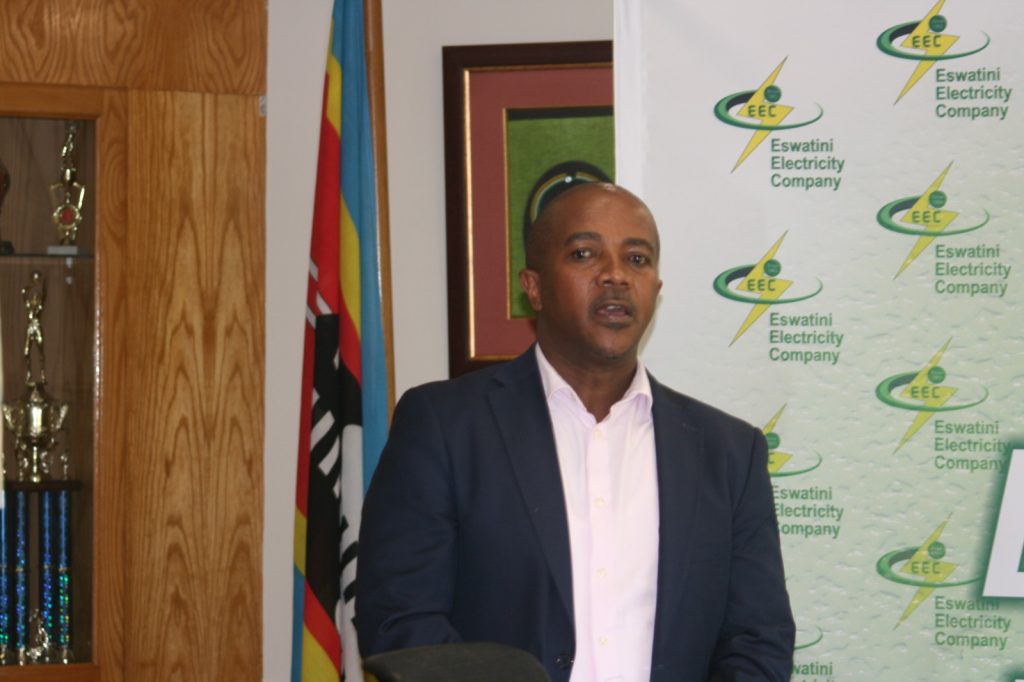
Speaking to the media, EEC Managing Director, Ernest Mkhonta, said that there is an urgent need for national action to address the rising electricity demand during the colder months of June to August.
This increased demand compromises the reliability of the electricity supply, leads to higher operational costs, and results in potential service interruptions.
“Over the past few years in our industry, the winter period is marked by a significant spike in electricity usage,” Mkhonta stated. “We must take decisive action to ensure the stability and efficiency of our power system is sustained.”
Mkhonta noted that the electricity network experiences extreme constraints during peak hours from 6:00 a.m. to 9:00 a.m. and from 5:00 p.m. to 8:00 p.m. This is when households and businesses heavily depend on electricity for heating, cooking, and other essential activities.
“This surge in demand puts significant pressure on the national grid. If left unaddressed, it could compromise the reliability of our electricity supply, lead to higher operational costs, and result in potential service interruptions,” Mkhonta warned.
To address this, EEC is implementing a Load Shift Strategy, designed to encourage consumers to modify their electricity usage habits, particularly by reducing consumption during peak hours.
“Our goal is simple: by shifting electricity demand, we reduce the load on the grid,” Mkhonta explained. “This will help ensure a stable and uninterrupted electricity supply during critical periods. By making small adjustments in how and when we use electricity, we can reduce demand on the network, preventing outages during peak times. It will also improve efficiency, ensuring power remains available for essential needs. This will ultimately lower electricity costs, benefiting both consumers and the economy, and enhance sustainability by making better use of the energy resources we have.”
Mkhonta urged every household, especially domestic consumers, to join the movement by adopting practical and energy-conscious behaviours.
These include: running energy-intensive appliances like washing machines outside of peak hours, including when washing work garments, using energy-efficient devices and lighting to reduce overall consumption, as well as switching off non-essential electrical equipment during peak hours, such as swimming pool pumps.
He also called on businesses and industries to consider adjusting their operational schedules to alleviate pressure on the grid.
“By embracing these changes, we empower ourselves to take control of our electricity usage, ensuring a stable supply while also contributing to cost savings and sustainability,” Mkhonta concluded.